
TL;DR
- Applin evolves differently in Sword (Flapple) vs Shield (Appletun) using version-exclusive items
- Tart Apples (Sword) and Sweet Apples (Shield) can be obtained from multiple in-game sources
- Trading allows players to acquire both evolution forms regardless of game version
- Strategic planning ensures optimal evolution timing for competitive team building
- Multiple acquisition methods provide redundancy for obtaining evolution items
Pokemon enthusiasts have long appreciated creatures with branching evolutionary paths, where specific conditions determine the resulting form. The Grass/Dragon-type Applin introduces a fresh twist to this concept by tying its evolution directly to your game version selection.
Unlike traditional branching evolutions that rely on elemental stones or friendship levels, Applin’s transformation depends entirely on whether you’re playing Pokemon Sword or Pokemon Shield. This version-locked evolution system creates exclusive Pokemon that differ between the two games, encouraging trading and version-specific team strategies.
In Pokemon Sword, trainers utilize a Tart Apple to evolve Applin into Flapple, while Shield players employ a Sweet Apple to obtain Appletun. Both evolutionary items function similarly to elemental stones—simply use the appropriate apple on your Applin to trigger the transformation. The apple-themed evolutionary line represents one of Generation 8’s most creatively designed Pokemon families.
Locating the necessary evolution items requires understanding multiple acquisition methods. Begin by speaking with the young boy situated on Hammerlocke’s western side—he provides crucial evolution guidance and gifts you the version-appropriate apple for your game.
For additional acquisition opportunities, explore Axew’s Eye within the Wild Area. Carefully inspect beneath specific trees where Tart Apples (Sword) or Sweet Apples (Shield) may be discovered. Battle Cafes in Motostoke, Hammerlocke, and Wyndon offer these apples as victory rewards among their confectionery-themed prizes.
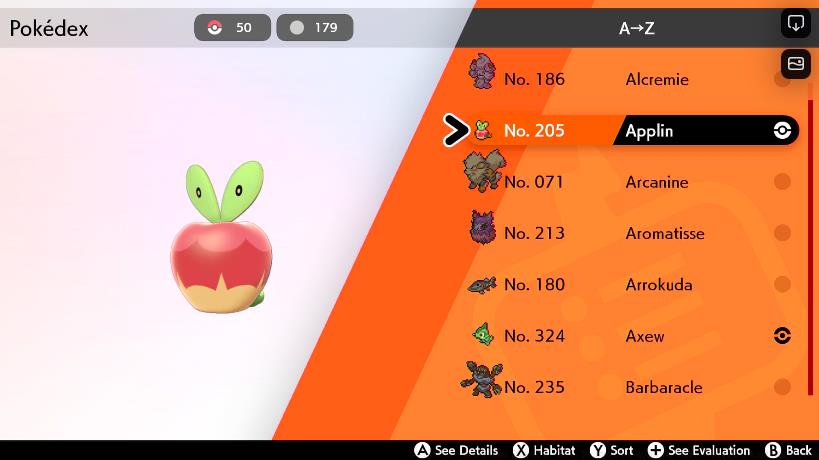
Strategic planning around Battle Cafe challenges can significantly accelerate your item acquisition. These establishments reset daily, providing repeated opportunities to obtain evolution apples through strategic battling and menu selection.


For trainers seeking both evolutionary forms without purchasing the opposite game version, trading presents the optimal solution. While unconfirmed through direct testing, the established method involves attaching your version’s apple to any Pokemon and trading it to a friend. This should transfer the item to their game, enabling them to send back the opposite version’s apple.
Strategic evolution timing significantly impacts competitive team building. Flapple excels as an offensive sweeper with high attack stats, while Appletun functions better as a defensive tank. Consider your team composition needs before evolving Applin.
Common evolution mistakes include using the wrong version’s apple (which won’t work) or evolving too early before understanding both Pokemon’s stat distributions and move pools. Waiting until level 30-35 typically provides optimal evolution timing.
For comprehensive Pokemon Sword and Shield guidance, explore our Complete Guide covering all aspects of Galar region exploration. Additional evolution guides detail peculiar Pokemon transformations including Milcery/Alcremie, Galarian Linoone/Obstagoon, and Sinistea/Polteageist.
Pokemon Sword And Shield News & Guides
Action Checklist
- Speak to the boy in western Hammerlocke for your version’s apple
- Search beneath trees on Axew’s Eye for additional apples
- Complete Battle Cafe challenges in three major cities
- Trade apples with friends to obtain both evolution items
- Evaluate team needs before evolving Applin (level 30-35 recommended)
No reproduction without permission:SeeYouSoon Game Club » Pokemon Sword And Shield: How To Evolve Applin Into Flapple And Appletun Complete guide to Applin's version-exclusive evolutions in Pokemon Sword and Shield with practical strategies