
TL;DR
- 19 Haiku locations across three regions offer unique vanity gear headbands
- Complete all Haikus to unlock the Mind, Body, and Spirit Trophy
- Some locations require story progression and specific mission completion
- Each Haiku provides cosmetic customization options for Jin Sakai
- Strategic exploration saves time and ensures no locations are missed
Discovering Haiku spots throughout Tsushima Island provides more than just poetic inspiration—these locations grant exclusive cosmetic items that enhance your samurai’s appearance. Unlike other collectibles, Haikus offer a moment of reflection amidst the chaos of war while rewarding you with distinctive vanity gear.
Scattered across the island’s three main regions, these 19 contemplative spots blend cultural immersion with practical rewards. Each completed Haiku unlocks a unique headband, contributing to the coveted Mind, Body, and Spirit Trophy completion.
Understanding the game’s collectible ecosystem is crucial—Haikus complement other activities like Inari Shrines for charm perks and hot springs for health upgrades. This balanced approach to exploration ensures you maximize Jin’s capabilities while experiencing the island’s rich cultural tapestry.
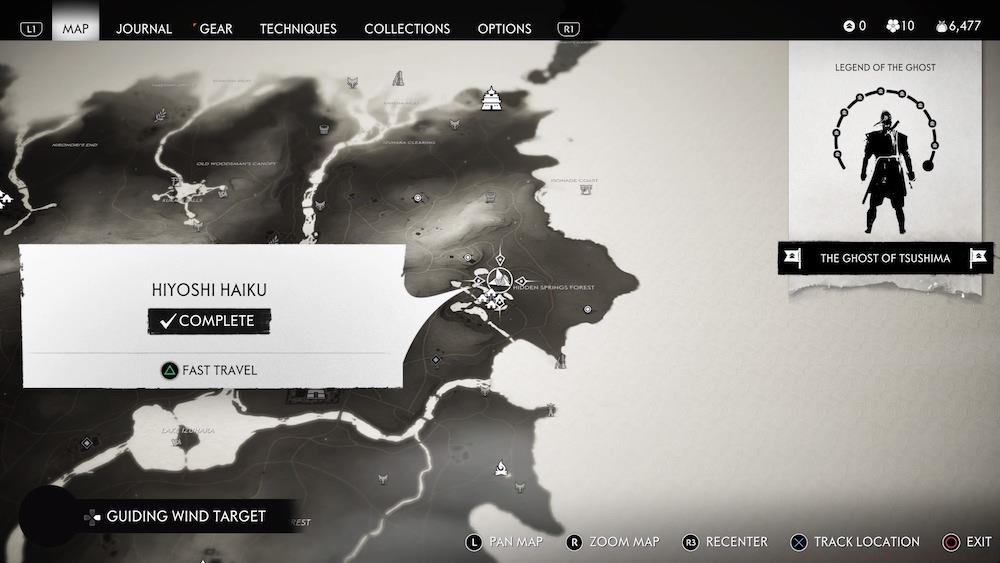
The Izuhara region contains several easily missed Haiku locations that require careful exploration. Beginners often overlook these spots by focusing solely on main story progression.
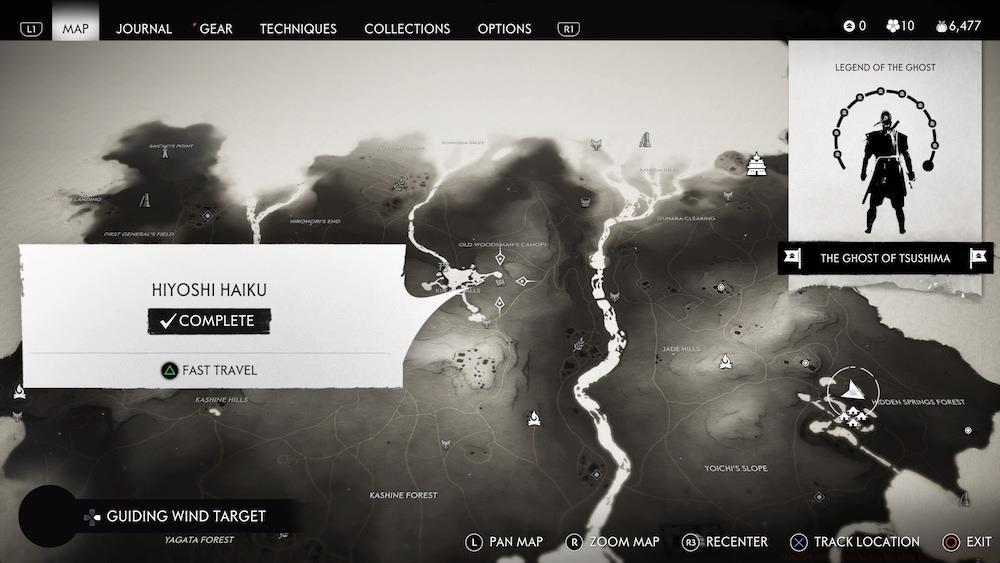
Hiyoshi Springs Tutorial Haiku: Your initial encounter occurs north of Hiyoshi Springs, where a wandering poet introduces the mechanics. This interactive tutorial doesn’t display the standard Haiku icon until after conversation initiation. Completion grants the Headband of Serenity—a valuable early-game cosmetic.
Secondary Hiyoshi Location: South of Old Woodsman’s Canopy lies another Haiku spot marked distinctly on your map. This location rewards the Headband of Peace upon successful composition.
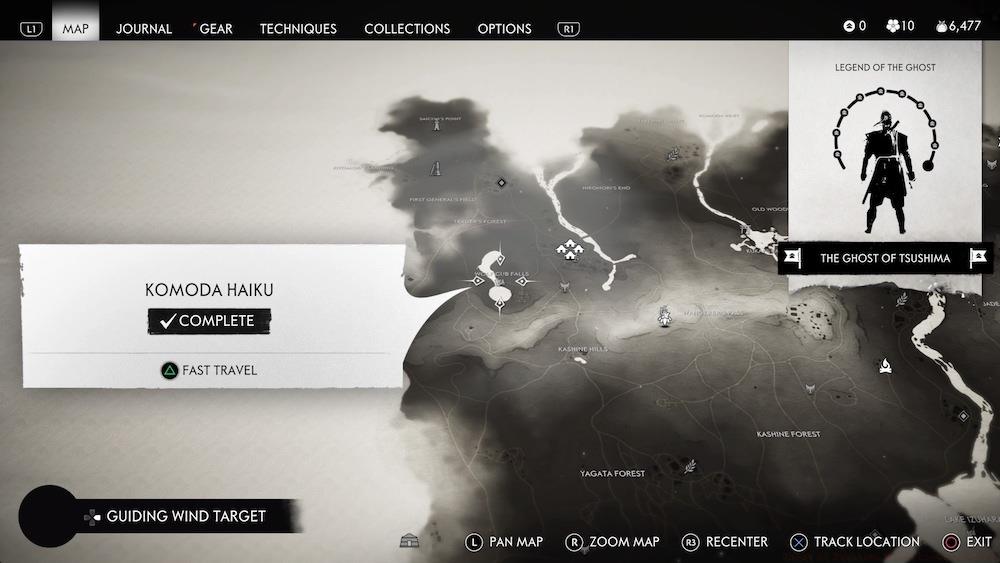
Komoda Haiku: Near Wolf Cub Falls, this picturesque location offers the Headband of Defeat. The waterfall backdrop creates an ideal setting for poetic reflection.
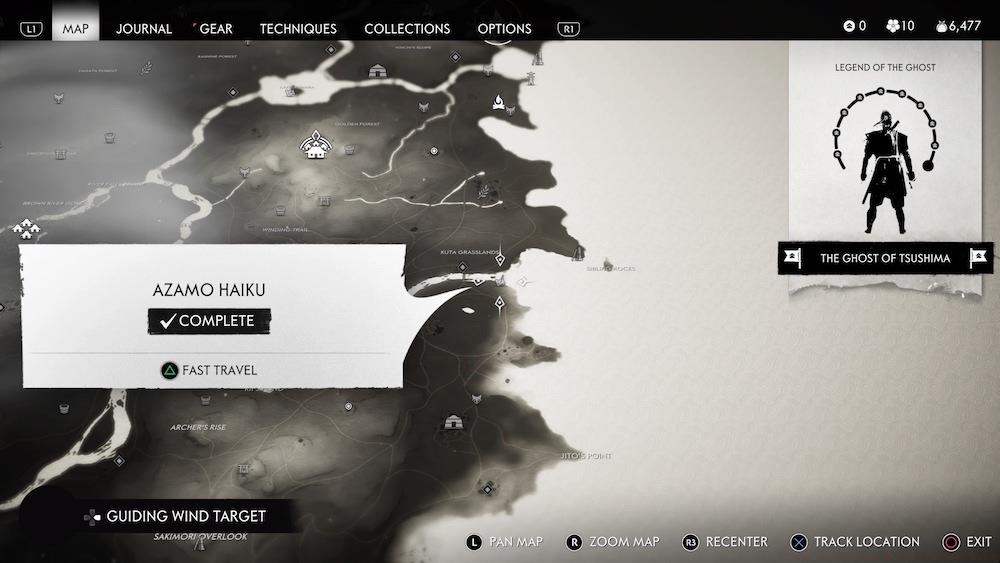
Amazo Haiku: Positioned east of Kuta Bridge and southeast of Kuta Grasslands, this spot provides the Headband of the Invasion. The eastern Izuhara landscape offers distinctive visual inspiration.
Lake Izuhara Island: The small central island in Lake Izuhara hosts a Haiku that unlocks the Headband of Refuge. Reaching this location may require swimming or careful navigation.
Shigenori Peak Haiku: West of Shigenori Peak adjacent to a Pillar of Honor, this location awards the Headband of Fear. The mountainous terrain provides dramatic atmospheric conditions for your composition.
Toyotama’s diverse landscapes—from coastal shores to dense forests—contain Haikus that reflect the region’s natural beauty. Mid-game exploration typically reveals these locations as you liberate territory from Mongol control.
Coastal Reflection Haiku: Along Toyotama’s eastern coastline, this spot offers panoramic ocean views that inspire contemplative poetry. The reward here complements your growing collection of samurai accessories.
Forest Sanctuary Haiku: Nestled within Umugi Cove’s surrounding woodlands, this location requires navigating through dense vegetation. The Headband of Tranquility awaits successful composers.
Mountain Vista Haiku: High in the Toyotama mountains, this location provides breathtaking valley views. The elevated position makes it easily visible from distance but requires substantial climbing to reach.
River Crossing Haiku: Near a major river intersection, this spot captures the flowing water’s poetic essence. The audio landscape of rushing water enhances the creative experience.
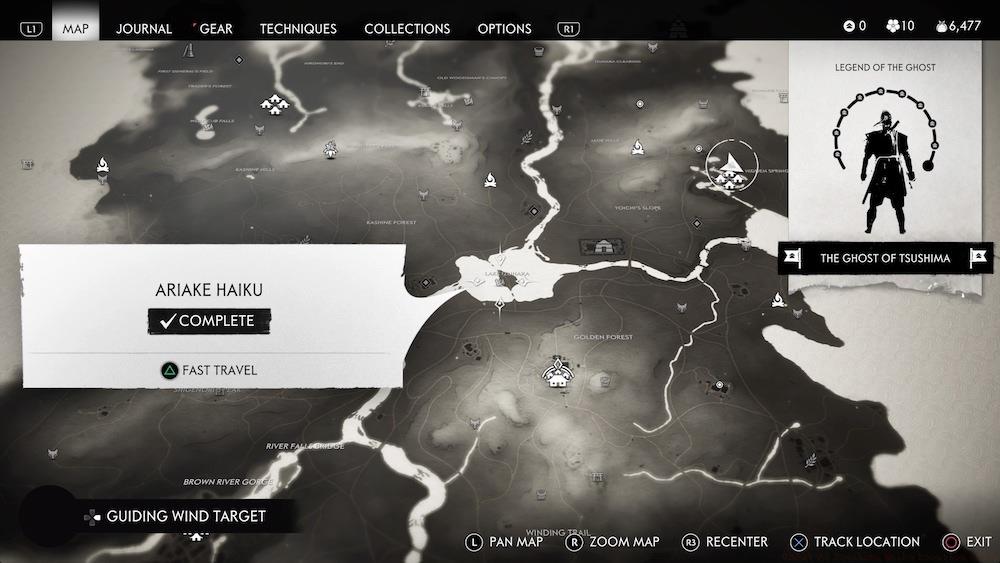
The northern Kamiagata region hosts the final Haiku locations, often discovered during end-game exploration. These spots typically require advanced traversal skills and thorough map clearing.
Frozen Peak Haiku: In Kamiagata’s mountainous northern reaches, this location presents a stark, wintery landscape for poetic inspiration. The Headband of Resilience rewards those who brave the cold.
Coastal Cliff Haiku: Overlooking the northern sea, this dramatic cliffside location offers views of distant islands. The exposure to elements creates a sense of vulnerability that influences composition options.
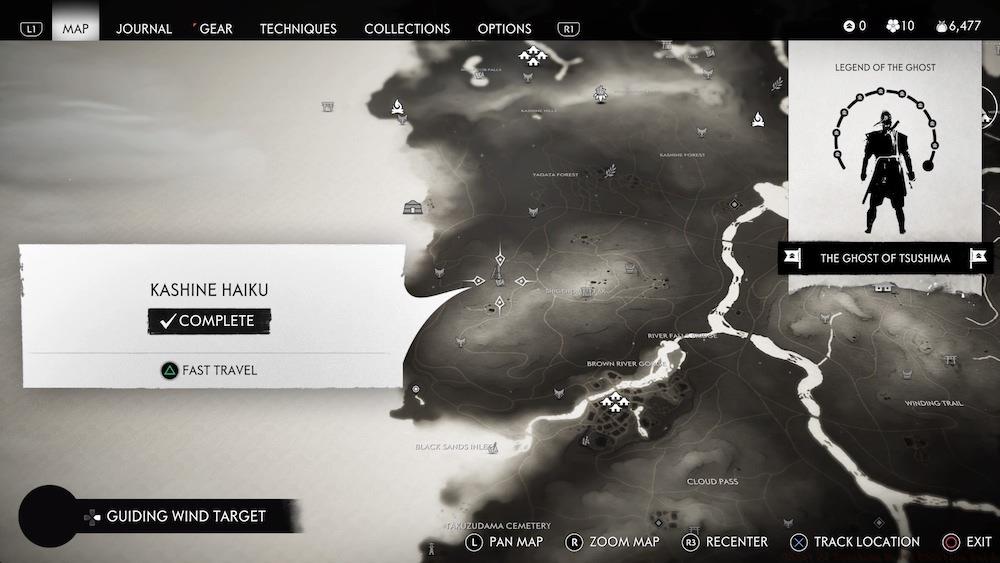
Ancient Forest Haiku: Within Kamiagata’s oldest forest, this spot surrounds you with towering ancient trees. The filtered light and natural acoustics create an immersive poetic environment.
Final Sanctuary Haiku: This concluding Haiku location symbolizes Jin’s complete journey across Tsushima. The reward here represents the culmination of your cultural exploration.
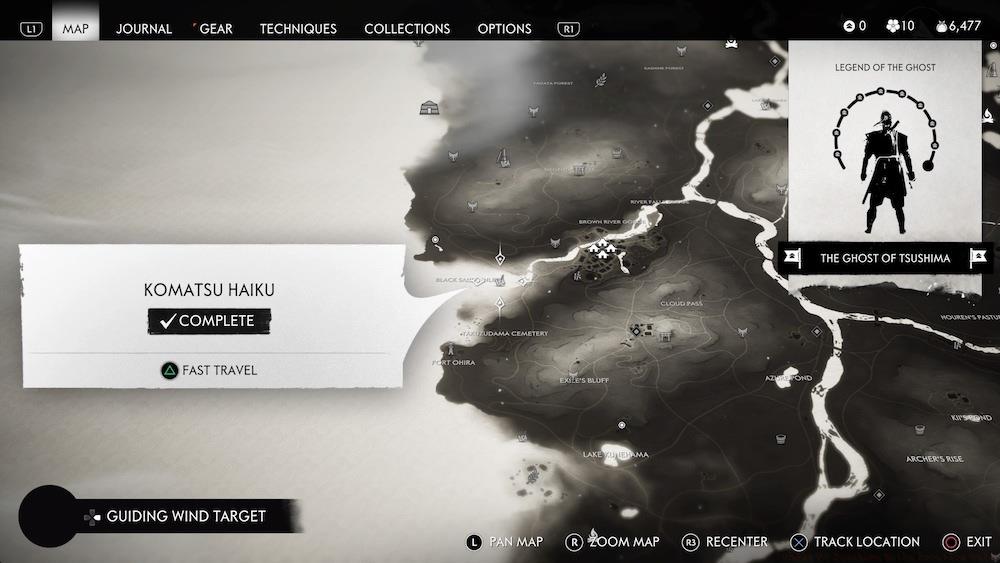
Several Haiku locations integrate directly with Ghost of Tsushima’s narrative progression, becoming accessible only during specific character missions and tale completions.
Character Arc Haikus: Specific storylines with major characters like Sensei Ishikawa or Lady Masako include Haiku moments that reflect their personal journeys. These narrative-integrated spots often provide deeper emotional context.
Mission-Specific Locations: Certain tale conclusions automatically transition into Haiku composition scenes. These cannot be revisited later, making completion mandatory during initial playthrough.
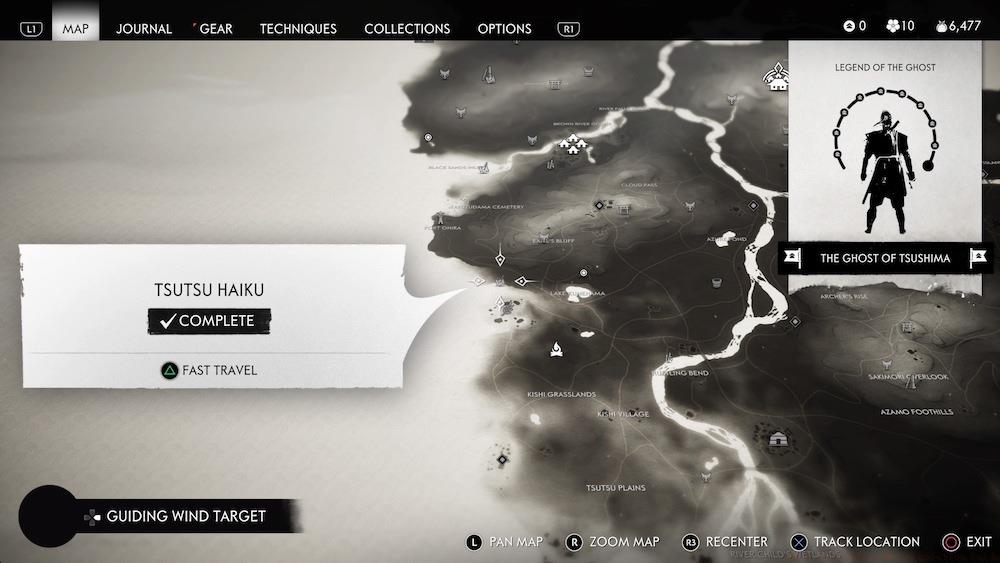
Timing Considerations: Story Haikus typically activate during emotional climaxes or reflective moments following intense action sequences. The game seamlessly transitions between combat and contemplation.
Reward Uniqueness: Narrative Haikus typically offer headbands with distinctive designs that reflect the accompanying story’s themes.
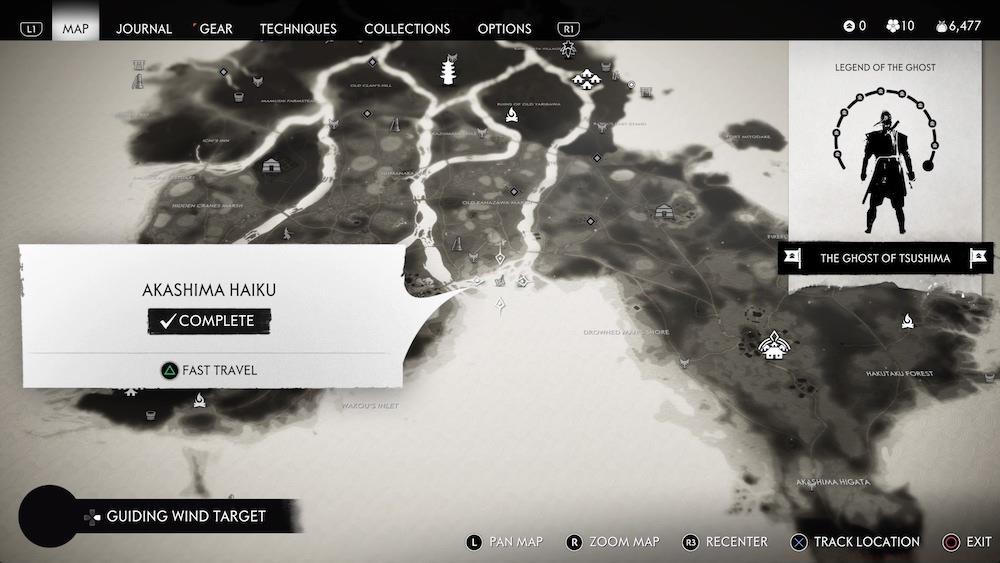
Efficient Haiku collection requires strategic planning beyond simple exploration. Understanding spawn conditions, regional progression gates, and optimal routing saves significant time during completionist playthroughs.
Route Optimization: Group Haikus by geographic proximity rather than following story progression linearly. This approach minimizes backtracking across Tsushima’s vast landscapes.
Common Oversights: Many players miss the Hiyoshi Springs tutorial Haiku by rushing past the calling poet. Others overlook story-integrated Haikus by skipping side tales. Always complete character missions fully before moving to new regions.
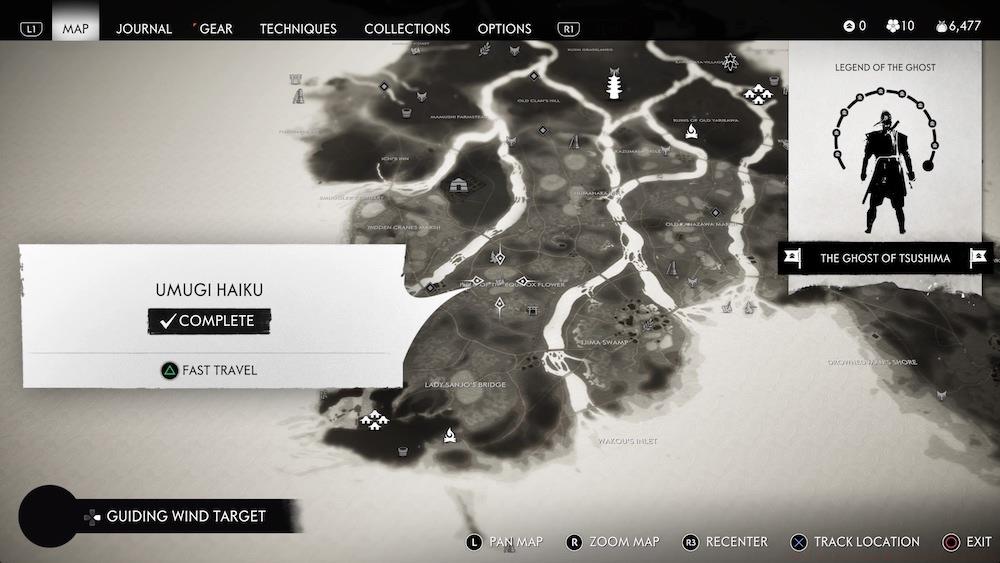
Time Investment Estimates: A focused Haiku collection run typically requires 4-6 hours beyond main story completion. Using fast travel points strategically cuts this time substantially.
Mechanics Deep Dive: Each Haiku presents three poetic choices per stanza, with selections influencing the final recited poem but not the cosmetic reward. This allows personal expression without completion anxiety.
For comprehensive gameplay strategies beyond Haiku collection, consult our Complete Guide to master all aspects of samurai combat and exploration.
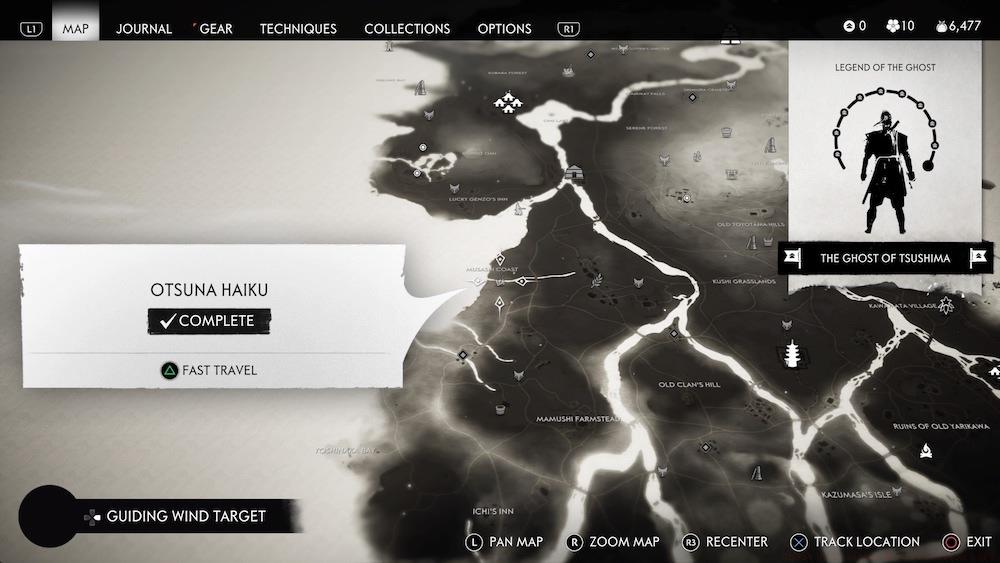
Advanced Navigation Tips: Use Guiding Wind frequently to maintain direction toward Haiku locations. Golden birds often lead to nearby points of interest, including Haiku spots.
Understanding character progression systems enhances your collection efficiency. Our Class Guide offers insights into ability optimization that applies to exploration efficiency.
Action Checklist
- Complete Hiyoshi Springs tutorial Haiku first to understand mechanics
- Systematically clear Izuhara region Haikus before moving north
- Progress through Toyotama story missions while collecting accessible Haikus
- Complete all character tales to unlock story-integrated Haiku locations
- Use fast travel and Guiding Wind to efficiently collect remaining Kamiagata Haikus
No reproduction without permission:SeeYouSoon Game Club » Ghost Of Tsushima Haiku Location Guide Complete guide to finding all 19 Haiku locations in Ghost of Tsushima for vanity gear and trophies