
TL;DR
- Three distinct vault types require different puzzle-solving approaches in Chapter 4 Season 3
- Sacrifice vaults demand rare weapons matching colored smoke indicators for access
- Statue puzzles offer safe trial-and-error with immediate recovery from wrong choices
- Flame vaults contain hidden solution rooms revealing pattern-based answers
- Strategic planning and squad coordination maximize loot efficiency while minimizing risks
The jungle biome introduced in Fortnite Chapter 4 Season 3: Wilds contains multiple vault doors that challenge players with innovative puzzle mechanics rather than simple key requirements. These ancient structures offer valuable rewards but demand strategic thinking and game knowledge to access.
Season 3’s arrival transforms the battlefield with prehistoric elements including raptors, Optimus Prime collaborations, and mysterious ruins scattered throughout the landscape. The vaults hidden within these ruins typically contain rare chests with high-tier loot, making them crucial objectives for competitive players seeking equipment advantages.
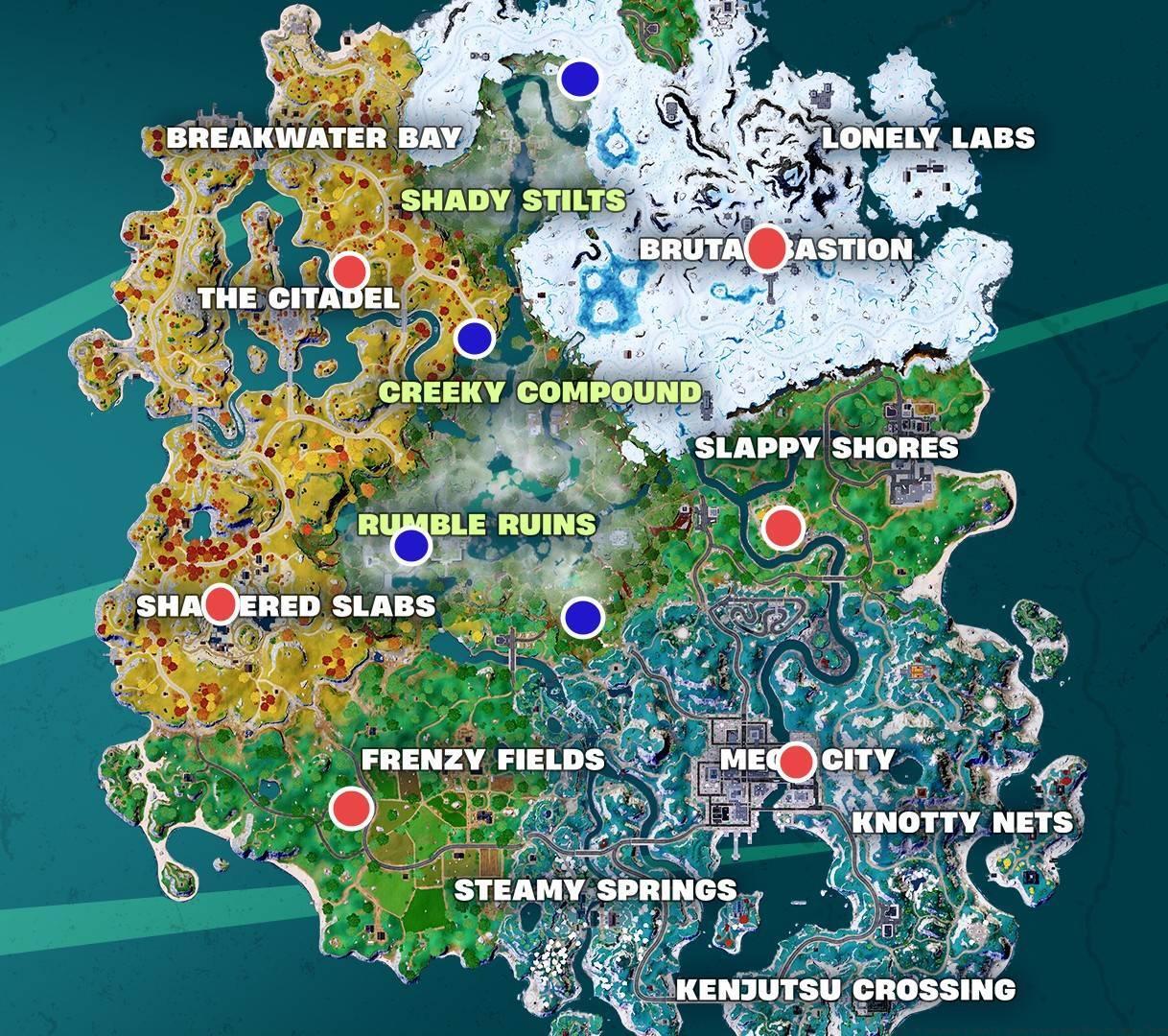
Map legend: Red circles indicate classic Wildcard Vaults, blue circles mark new puzzle vaults requiring specific solutions.
Unlike previous seasons where vault access relied on straightforward key collection, Chapter 4 Season 3 introduces varied puzzle types that test different player skills. This evolution in design encourages diverse gameplay approaches and rewards players who master multiple problem-solving techniques.
Fortnite’s current island features two primary vault categories with distinct geographical distributions. Understanding these location patterns enables efficient looting routes and reduces time spent searching for specific vault types.
The established Wildcard Vaults (marked red on the map) continue from previous seasons with several new additions this update. These typically appear in more accessible locations but may attract higher player traffic, increasing encounter risks.
New puzzle vaults (indicated by blue markers) concentrate around the jungle biome’s ancient ruins, often requiring environmental navigation challenges before even attempting the main puzzle. Their remote placements offer some protection from immediate third-party engagements.
Strategic consideration: Wildcard Vaults near popular landing zones like Shattered Slabs or Brutal Bastion will likely see early-game competition, while puzzle vaults in deeper jungle areas provide mid-game opportunities for prepared squads.
The sacrifice vault mechanism represents one of Season 3’s most economically challenging puzzles, requiring players to voluntarily surrender valuable equipment for potential greater rewards.
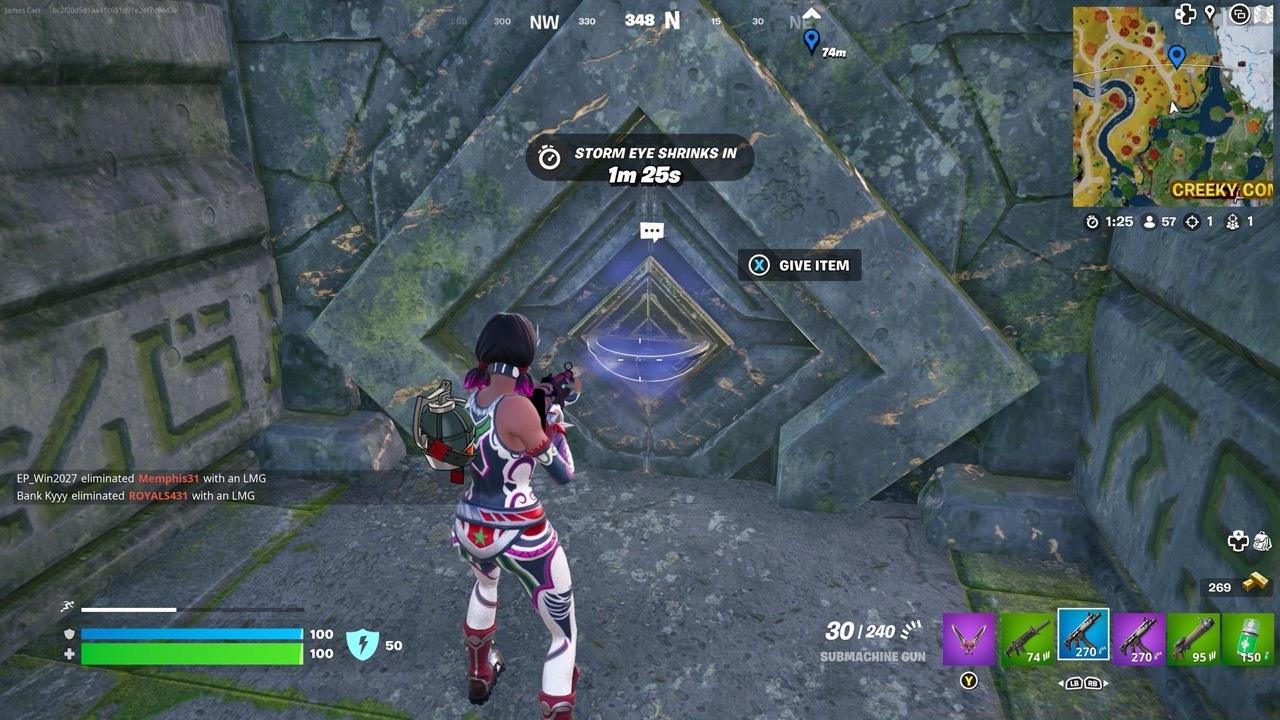
Sacrifice vaults emit colored smoke indicating minimum rarity requirements: blue (Rare), purple (Epic), or orange (Legendary).
These vault doors display visible smoke effects that communicate their specific rarity demands. Blue smoke signals Rare weapon requirements, purple indicates Epic tier, while orange demands Legendary equipment sacrifice. The system accepts items of matching or higher rarity, allowing strategic decisions about surplus inventory.
Advanced strategy: Carry a backup Rare weapon specifically for vault sacrifices rather than risking your primary loadout. The investment typically pays off since vault chests often contain multiple high-tier items, effectively upgrading your arsenal.
Common mistake: Attempting to sacrifice lower rarity items than indicated by the smoke color, which wastes time and reveals your position without reward. Always verify the color before attempting access.
Statue puzzle vaults present binary choice challenges that appear deceptively simple but contain nuanced strategic considerations for optimal approach.
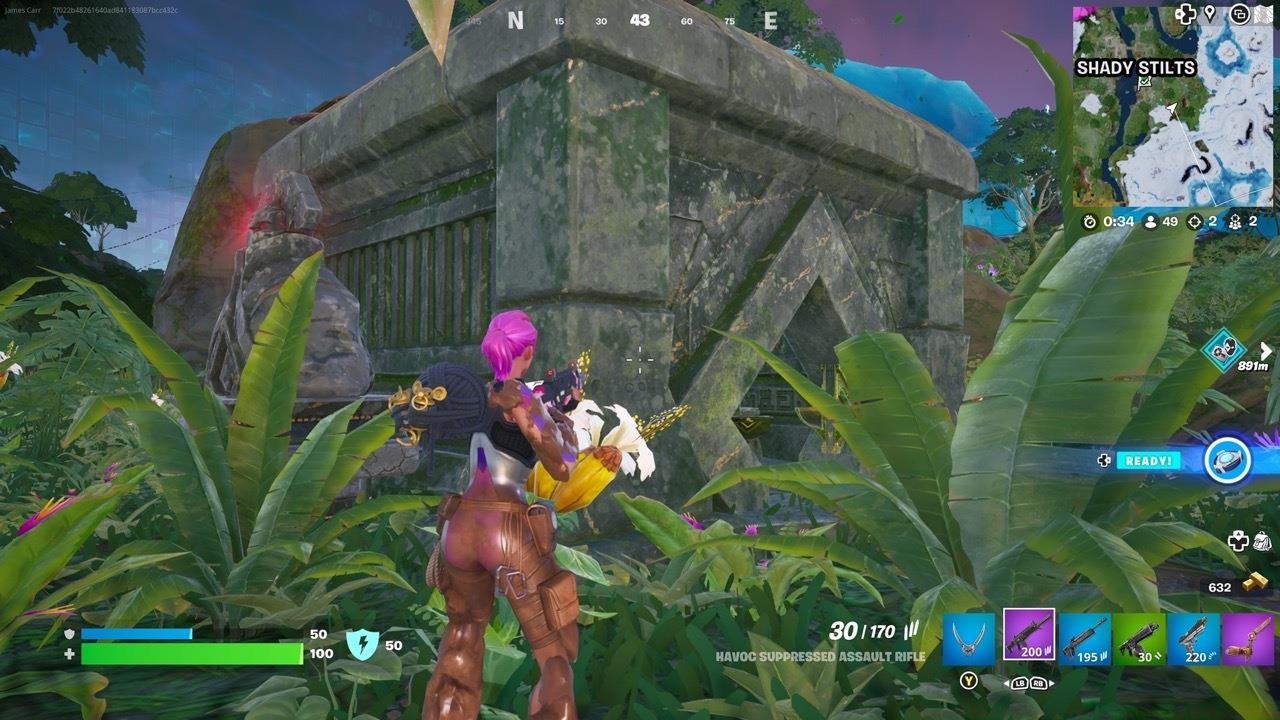
Statue vault structures feature two guardian figures flanking the entrance, with only one triggering the correct mechanism.
These compact structures typically stand alone in jungle clearings or ruin complexes, immediately identifiable by their symmetrical statue placements. The puzzle offers no environmental clues or consistent patterns, making the initial selection essentially random.
The safety net mechanism: Choosing incorrectly doesn’t penalize players beyond temporary displacement. The rift teleportation places you directly above the structure with glide redeployment, enabling quick recovery and second attempt.
Pro tip: If playing solo, land directly on the vault structure after a wrong choice. In squad scenarios, have teammates maintain perimeter security while one member tests statues, preventing ambushes during the vulnerable puzzle-solving phase.
Flame vault puzzles introduce spatial reasoning challenges that require players to locate and interpret hidden solution patterns before attempting the main puzzle.
Action Checklist
- Study vault location maps to plan efficient looting routes
- Carry backup Rare weapons specifically for sacrifice vault requirements
- Practice statue puzzle recovery techniques with rift redeployment
- Memorize flame pattern locations before attempting main vault doors
- Coordinate squad roles with designated puzzle solvers and security teams
No reproduction without permission:SeeYouSoon Game Club » Fortnite Chapter 4 Season 3 Vault Locations And How To Open Them Master Fortnite's new vault puzzles with expert strategies, location maps, and time-saving solutions for Chapter 4 Season 3