
Master F1 25 MyTeam with strategic workforce management and facility optimization for championship success
Introduction to F1 25’s Enhanced MyTeam Experience
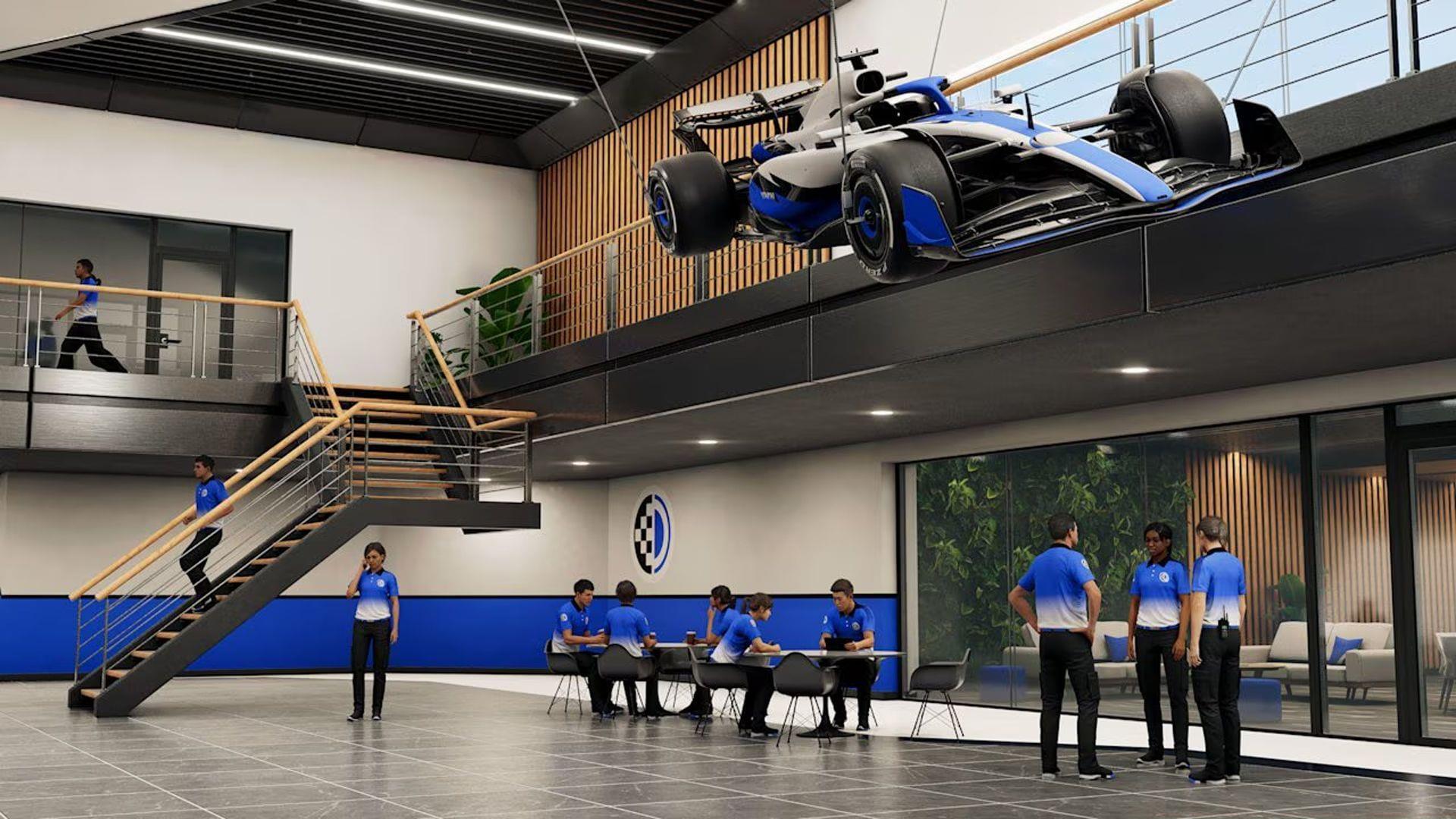
EA Sports and Codemasters are elevating the Formula 1 gaming landscape with F1 25, delivering unprecedented immersion through advanced physics engines and authentic racing dynamics. Among the diverse gameplay modes available, MyTeam continues as the flagship career experience, empowering players to establish and operate their own constructor team from scratch. This comprehensive management simulator now incorporates deeper strategic elements that mirror real-world Formula 1 team operations, providing a genuine taste of motorsport leadership challenges.
The evolution from previous iterations brings sophisticated economic models and personnel management systems that demand careful consideration of both short-term performance and long-term sustainability. As you navigate the complexities of team ownership, you’ll encounter realistic budgetary constraints, staff development requirements, and technical innovation races that accurately reflect the competitive pressures faced by actual F1 principals.
Understanding the Updated Facilities System
F1 25 revolutionizes team development through its “Updated Facilities” architecture, introducing a multi-layered improvement ecosystem with precise investment controls across specialized departments. This granular approach enables strategic resource allocation decisions that directly impact your team’s competitive trajectory. Each facility upgrade path offers distinct advantages, requiring careful prioritization based on your team’s current performance gaps and championship objectives.
The organizational structure divides your Team HQ workforce into three core divisions: Engineering focuses on car performance and technical innovation, Personnel handles driver development and pit crew efficiency, while Corporate manages commercial partnerships and financial sustainability. Understanding the synergy between these divisions is crucial—investing heavily in Engineering without corresponding Personnel development may yield advanced car components that your pit crew cannot optimize during races. Similarly, neglecting Corporate investments can limit sponsorship opportunities essential for funding further technical developments.
Strategic Workforce Management Techniques
Workforce management emerges as a critical success factor in F1 25’s MyTeam mode, demanding meticulous balance between team size, specialized expertise, and operational expenditure limits. The Cost Cap mechanism introduces authentic financial discipline, preventing excessive spending while rewarding efficient resource utilization. Expert players learn to optimize their workforce composition by identifying key performance indicators for each division and allocating staff where they generate maximum return on investment.
A common strategic error involves over-expanding Engineering departments early in the season, creating unsustainable salary burdens that restrict mid-season development capabilities. Instead, progressive workforce scaling aligned with performance milestones and revenue growth ensures stable operational costs. Advanced managers implement staggered hiring strategies, bringing specialists onboard precisely when their expertise becomes critical for upcoming development phases. This approach maintains Cost Cap compliance while ensuring technical innovation continues throughout the championship campaign.
Monitoring workforce efficiency metrics becomes essential—track each division’s output relative to its size and funding. Engineering teams should demonstrate tangible performance gains through improved car components, Personnel should reduce pit stop times and enhance driver development, while Corporate should steadily increase sponsorship revenue and partnership opportunities. Regular efficiency audits help identify underperforming sections before they significantly impact your championship ambitions.
Leveraging Facility Heads for Team Success
F1 25 introduces Facility Heads as a groundbreaking addition to team management, creating a leadership hierarchy that adds depth to the organizational simulation. These specialized managers provide strategic direction, operational advice, and contextual interactions that make your role as team principal feel authentically connected to the human element of Formula 1 operations. Each Facility Head brings unique personality traits, management styles, and specialized expertise that influence their department’s performance and inter-departmental dynamics.
This narrative-driven management layer transforms abstract development decisions into engaging interpersonal experiences. Your Engineering Facility Head might propose aggressive technical innovations that carry high development risks, while your Corporate Head advocates for conservative financial approaches to ensure stability. Balancing these conflicting perspectives creates compelling strategic dilemmas that mirror real-world team management challenges. Successful players learn to synthesize diverse leadership inputs into coherent development strategies that align with their overall championship vision.
The interaction system with Facility Heads evolves throughout your career, with relationship dynamics impacting staff morale, innovation rates, and even potential resignations if management approaches consistently conflict with their professional philosophies. Building strong rapport with your leadership team unlocks additional narrative branches and specialized development options unavailable through standard management interfaces.
Advanced MyTeam Optimization Strategies
The transition from the retired “Owner Driver” role to dedicated team ownership demands significant adjustment in strategic mindset. Where previously you could prioritize driving performance above all else, successful team management requires holistic consideration of multiple operational dimensions simultaneously. Advanced players develop systematic approaches to resource allocation, creating development pipelines that synchronize technical innovation, personnel growth, and financial management into cohesive championship campaigns.
Pro-Level Optimization Techniques: Implement a 30-40-30 investment ratio across Engineering, Personnel, and Corporate divisions during early seasons, adjusting based on performance data and championship standings. Prioritize facility upgrades that offer compounding benefits—for example, wind tunnel improvements that accelerate all future aerodynamic developments. Establish clear performance benchmarks for each race weekend and conduct post-race analysis to identify workforce gaps requiring immediate attention.
Common Management Pitfalls to Avoid: Never exhaust your entire development budget before the mid-season; always reserve 15-20% for emerging opportunities. Avoid over-specializing in one technical area while neglecting others—balanced development typically outperforms extreme specialization. Don’t ignore Corporate investments despite their indirect racing impact; commercial partnerships provide financial flexibility crucial for mid-season upgrades. Resist the temptation to maximize workforce size immediately; gradual expansion aligned with revenue growth prevents Cost Cap violations.
This refined Team HQ ecosystem represents the most sophisticated management simulation in the F1 series to date, offering both challenging strategic depth and rewarding long-term team building satisfaction. Mastering its complexities provides a genuinely authentic Formula 1 leadership experience that will test your decision-making abilities across multiple seasons of championship competition.
No reproduction without permission:SeeYouSoon Game Club » F1 25 Team HQ: Updated Facilities, workforce size, and leadership team debut Master F1 25 MyTeam with strategic workforce management and facility optimization for championship success