
Complete guide to F1 25’s My Team overhaul: New ownership mechanics, management strategies, and advanced optimization tips
The Evolution from Owner-Driver to Pure Ownership
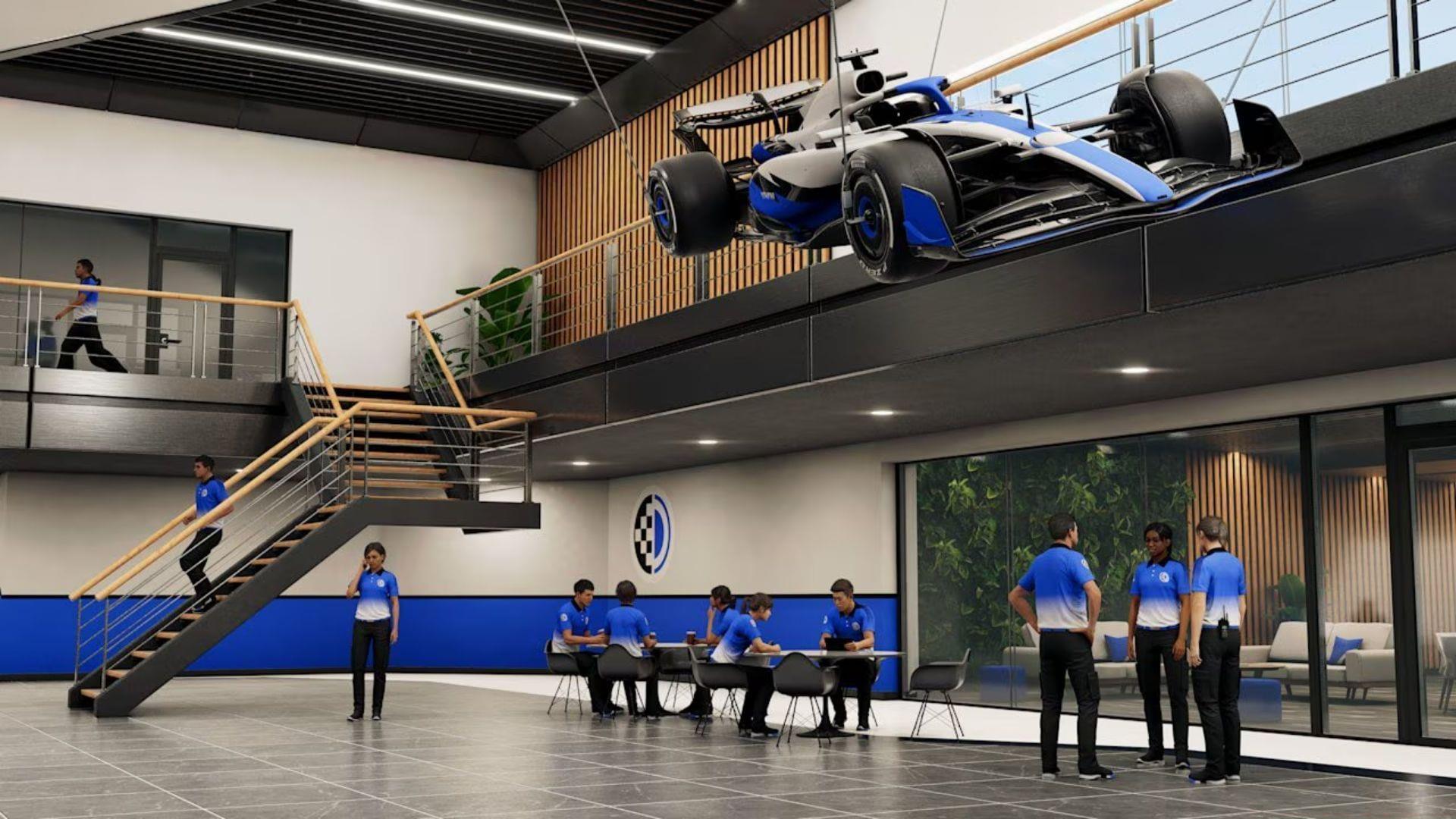
F1 25 launches on May 30, 2025, bringing transformative changes to Electronic Arts’ acclaimed racing simulation. The most substantial innovation involves completely reimagining the My Team career mode, transitioning from the previous Owner-Driver hybrid role to a dedicated ownership position. This fundamental shift dramatically expands strategic possibilities for virtual team principals.
The elimination of the dual role means players now concentrate exclusively on managerial responsibilities rather than splitting focus between driving and administration. This pure ownership approach mirrors real-world Formula 1 team structures where principals like Toto Wolff and Christian Horner oversee operations without competing on track.
Strategic depth increases significantly as you gain authority over both driver seats simultaneously. This change addresses a common criticism of previous iterations where player attention naturally skewed toward their avatar driver, creating unbalanced team development. Now, genuine strategic dilemmas emerge when allocating resources between your two drivers.
Dual Driver Management System Explained
The revamped dual driver management framework represents F1 25’s core innovation. Previously, your secondary driver often received neglected development as resources flowed disproportionately to your player character. The new system mandates equitable consideration for both team members, creating authentic managerial challenges.
Strategic resource allocation becomes paramount. You’ll constantly weigh decisions about upgrading Driver A’s performance parts versus investing in Driver B’s development. This creates dynamic scenarios where driver contracts, performance bonuses, and team chemistry directly impact your strategic choices.
Advanced players should monitor driver form cycles and adaptability to different circuits. Some drivers excel on street circuits while others dominate high-speed tracks. Smart team principals rotate development focus based on the upcoming calendar, maximizing points throughout the season. This nuanced approach separates competent managers from championship winners.
Common mistake: Over-investing in one driver early creates team tension and reduces flexibility. Balanced development during the first third of the season establishes foundation for specialized optimization later.
Owner Perks and Specialization Paths
F1 25’s enhanced owner progression system introduces three distinct specialization branches that fundamentally shape your management approach. The Engineering path focuses on technical development acceleration, Corporate emphasizes sponsorship and financial growth, while Personnel optimizes driver development and team morale.
Engineering Specialization reduces research and development timelines, improves reliability upgrades, and unlocks advanced vehicle components earlier. This path suits managers who prefer technical dominance through superior car development.
Corporate Specialization boosts sponsorship revenue, enhances negotiation outcomes, and provides financial flexibility for aggressive driver acquisitions. Choose this route if you enjoy the business aspect of Formula 1 management.
Personnel Specialization accelerates driver development, improves team cohesion, and reduces contract costs. This approach benefits managers who prioritize long-term driver relationships and team stability.
Pro tip: Initially diversify across all three branches before specializing based on your team’s emerging strengths and weaknesses after the first season.
Advanced Strategies and Common Pitfalls
Mastering F1 25’s My Team mode requires understanding advanced resource management techniques. The XP system rewards consistent team performance rather than individual race wins, encouraging strategic long-term planning over short-term results.
Resource Allocation Strategy: Divide development resources 60/40 between your drivers initially, adjusting based on performance data after each grand prix. Monitor driver satisfaction metrics closely—unhappy drivers underperform despite superior equipment.
Progression Optimization: Complete management training modules during race weekends to maximize XP gains. The game rewards proactive engagement with all team aspects, not just race results.
Common Rookie Mistakes:
– Neglecting backup driver development until contract renewal
– Overspecializing in one management branch too early
– Ignoring team morale during intense development periods
– Failing to adapt strategy based on circuit characteristics
Advanced tactic: Schedule driver development sessions during triple-headers when performance fluctuations most impact championship standings.
Bonus Content and Future Opportunities
F1 25 delivers exceptional value through cross-media integration with the upcoming Apple Original F1 movie premiering June 27, 2025. This collaboration introduces exclusive content including movie-inspired liveries, driver helmets, and special events that blend cinematic storytelling with gameplay.
Season planning becomes crucial with the expanded content calendar. Strategic managers should align their team development cycles with anticipated bonus content releases to maximize engagement and reward opportunities.
The game’s May 30 release provides perfect timing to establish your team before the summer content updates. Use the initial month to solidify your management approach and specialization path, positioning your team to capitalize on the movie integration.
Long-term strategy should account for potential driver market shifts and regulation changes mid-season. The most successful team principals maintain flexibility in their approach while pursuing their core specialization strategy.
Also read: F1 25: Release date, how to pre-order, and more
Read more articles here:
No reproduction without permission:SeeYouSoon Game Club » F1 25 overhauls My Team, retires “Owner Driver” Complete guide to F1 25's My Team overhaul: New ownership mechanics, management strategies, and advanced optimization tips