
Why Ezio Auditore remains the definitive Assassin’s Creed protagonist through character development and unmatched personality
The Three-Game Journey That Defined a Generation
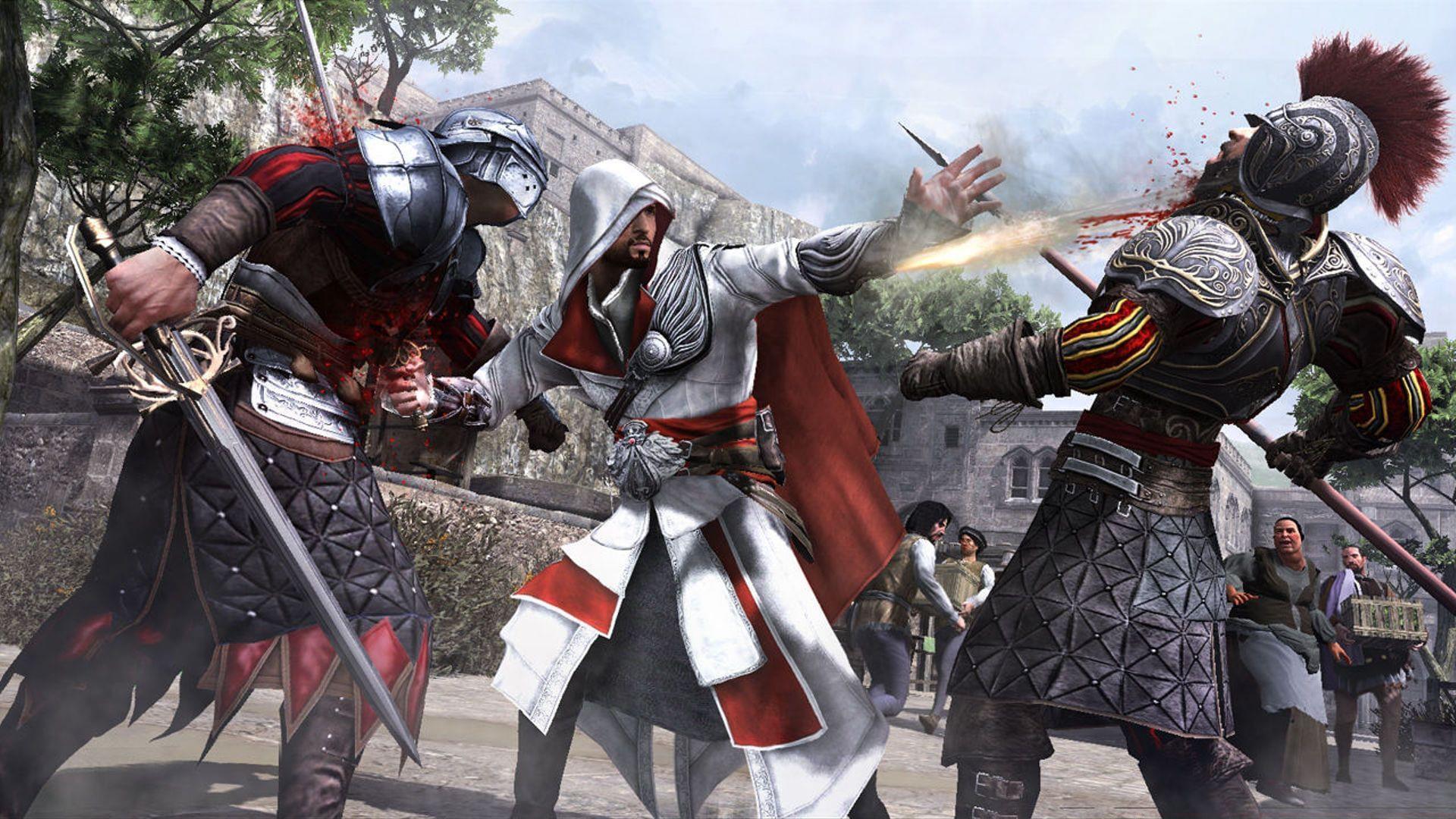
With the Assassin’s Creed franchise approaching its twentieth anniversary, the series has introduced numerous protagonists across different historical eras and gaming generations. However, only one character has achieved the distinction of carrying an entire trilogy while maintaining consistent character development that resonates with players years later.
While later entries like Origins and Valhalla expanded the franchise’s scope, they lacked the focused character progression that made Ezio’s journey so memorable. Understanding this distinction helps explain why his legacy endures.
Among more than twenty franchise installments, Ezio Auditore da Firenze stands alone as the only assassin granted protagonist status across three distinct titles. Each game not only advanced the overarching narrative but systematically developed his character through carefully crafted story arcs and gameplay evolution that mirrored his personal growth.
His journey encompasses securing the Apple of Eden in Assassin’s Creed II, revitalizing the Brotherhood in Rome during Brotherhood, and uncovering Altaïr Ibn-La’Ahad’s final secrets in Revelations. This progression from vengeance-driven youth to wisdom-filled Mentor represents gaming’s most comprehensive character transformation.
Ezio’s origin story begins with tragedy, as his father and brothers are executed for crimes they didn’t commit, forcing him into a life he never chose. This foundation creates immediate player empathy while establishing motivations that feel authentic rather than contrived.
His evolution from impulsive youth to strategic leader demonstrates how well-crafted character development can enhance gameplay mechanics. As players witness his maturity, the gaming systems themselves evolve to reflect his growing expertise and wisdom.
The Charismatic Personality That Transcends Gaming
What distinguishes Ezio from subsequent Assassin’s Creed protagonists is his vibrant, flawed humanity. While later characters often embody stoic professionalism, Ezio’s charm, humor, and emotional vulnerability create a connection that transcends the gaming medium.
His initial characterization as a carefree Florentine noble with a penchant for mischief establishes immediate relatability. Unlike the calculated professionalism of Altair or the duty-bound nature of Connor, Ezio’s early mistakes and romantic entanglements feel authentically human.
The franchise typically features serious, mission-focused protagonists, making Ezio’s lighthearted nature and emotional expressiveness particularly striking. His capacity for joy amidst tragedy, his romantic nature, and his willingness to acknowledge his own shortcomings create a multidimensional character rarely seen in action gaming.
Across his decades-long journey, players witness profound personal growth rooted in painful experiences. The deaths of family members, mentors, and loved ones shape him without hardening him completely. His choice to maintain compassion despite enduring immense loss represents a narrative depth uncommon in the genre.
This emotional resilience manifests through his community-building efforts in Brotherhood and his mentorship of younger assassins in Revelations. Rather than becoming embittered by tragedy, he channels his experiences into protecting others and rebuilding what was destroyed.
Ezio’s greatest strength lies in his identity as a person first and an assassin second. His motivations stem from personal connections and moral convictions rather than blind allegiance to the Brotherhood’s creed. This distinction makes his choices feel personally meaningful rather than procedurally obligatory.
Specific acts like reconstructing Rome’s districts and defending his sister Claudia from exploitation demonstrate his inherent goodness transcends his assassin training. These moments of personal investment create emotional stakes that pure mission objectives cannot replicate.
Mastering Ezio’s Legacy: Advanced Player Insights
For players seeking to fully appreciate Ezio’s narrative arc, strategic approaches to gameplay can significantly enhance the experience. Understanding the intentional design choices behind his character development reveals layers often missed by casual playthroughs.
Strategic Narrative Engagement: Pay close attention to side missions that reveal character depth, particularly the Cristina memories in Brotherhood. These optional sequences provide crucial emotional context for his motivations and personal sacrifices.
Common Development Pitfalls: Many players rush through main story missions, missing the environmental storytelling that contextualizes Ezio’s growth. The reconstructed Monteriggioni villa in Brotherhood, for example, visually represents his transition from nobleman to community leader.
Advanced Character Analysis: Track Ezio’s combat style evolution across the trilogy. Notice how his techniques shift from aggressive, emotional strikes in ACII to calculated, efficient movements in Revelations, mirroring his psychological maturation.
Optimization Strategy: Complete assassination contracts and renovation projects in chronological order to experience the intended narrative progression. The economic development of Rome parallels Ezio’s own development from individual agent to organizational leader.
Emotional Payoff Maximization: Save the final sequences of Revelations for uninterrupted play sessions. Ezio’s speech to Desmond and his final letter to Sofia represent the culmination of his entire journey, requiring proper context absorption for full impact.
Avoid the common mistake of treating Ezio’s trilogy as separate games rather than chapters in a continuous narrative. The emotional resonance depends on understanding how each game builds upon the previous installment’s character development.
The Enduring Legacy and Modern Comparisons
Ezio’s lasting impact on the Assassin’s Creed franchise extends far beyond his own trilogy. His character established a benchmark for protagonist development that subsequent games have struggled to match, influencing narrative approaches throughout the series.
Modern protagonists like Bayek of Siwa and Kassandra of Sparta, while compelling in their own right, typically experience their complete character arcs within single games. This condensed development lacks the nuanced progression available across Ezio’s decades-spanning journey.
The trilogy format allowed developers to explore subtle aspects of aging, wisdom accumulation, and changing perspectives that single-game narratives cannot adequately convey. Ezio’s transformation from hot-headed adolescent to weary mentor benefits immensely from this extended timeline.
His legacy includes not only in-game accomplishments like securing the Apple of Eden and rebuilding the Brotherhood, but also establishing an emotional template for character writing in action-adventure gaming. The careful balance between personal motivation and professional duty continues to influence character design principles.
Contemporary gaming trends favoring massive open worlds sometimes come at the expense of focused character development. Ezio’s narrative demonstrates how constrained geographical settings, when paired with deep character work, can create more memorable experiences than vast but shallow environments.
The reason for his enduring popularity stems from this perfect storm of extended character arc, relatable personality flaws, authentic emotional growth, and gameplay that reflects personal development. This combination remains the gold standard for protagonist design in narrative-driven gaming.
As the franchise continues evolving, Ezio’s trilogy serves as a reminder that technological advancement and expanded scope cannot replace thoughtful character writing and emotional authenticity. His journey represents a narrative peak that continues to define player expectations years later.
No reproduction without permission:SeeYouSoon Game Club » Ezio: Why Ezio Auditore is the best protagonist in the Assassin’s Creed franchise Why Ezio Auditore remains the definitive Assassin's Creed protagonist through character development and unmatched personality