
Analysis of the Fortnite emote copyright lawsuit: legal precedents, choreographer rights, and gaming industry implications
The Case Against Epic Games
Epic Games faces renewed legal scrutiny as Los Angeles-based choreographer Kyle Hanagami files suit alleging unauthorized use of his copyrighted dance movements in a popular Fortnite emote.
Choreographer Kyle Hanagami has initiated legal action against Epic Games, claiming the “It’s Complicated” emote infringes upon his copyrighted dance sequence. Hanagami secured copyright protection for specific choreography elements and contends the game developer has violated his intellectual property rights.
This represents yet another legal challenge targeting Epic Games’ approach to dance emotes. While Hanagami isn’t the first choreographer to allege movement appropriation, his case introduces specific copyrighted material from a 2017 instructional session. The choreography in question features distinctive repeating movements synchronized to Charlie Puth’s “How Long” chorus. Hanagami’s legal team asserts these movements demonstrate nearly identical execution to those featured in Fortnite’s controversial emote. 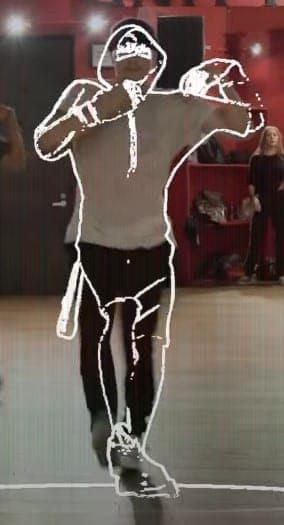 Comparative imagery reveals remarkable alignment between the copyrighted choreography and the Fortnite character animation. The source instructional video has accumulated over 35 million views since publication and receives acknowledgment as inspiration within Fortnite’s community resources. Documentation notes “the dance incorporates elements from Kyle Hanagami’s choreography for Charlie Puth’s ‘How Long.'” Legal representatives from Hecht Partners have produced supplementary evidentiary material potentially strengthening the copyright assertion.
Legal Precedents and Challenges
The evidentiary video titled “Fortnite Infringement of Kyle Hanagami Choreography” emphasizes pronounced correlations between the two movement sequences. It employs layered visual comparisons of the emote animation alongside the contested choreographic segment. Upon review, the parallel execution becomes difficult to dispute. However, both compositions diverge following the disputed movements, and movement copyright remains legally ambiguous territory. Practical Tip: Choreographers seeking copyright protection should document complete sequences rather than isolated movements, as courts typically require substantial similarity across entire works.
Evidence and Visual Comparisons
Previous litigation addressing similar concerns encountered dismissal at Supreme Court level, establishing precedent that copyright infringement requires replication of complete dance compositions rather than isolated elements. Should Hanagami’s legal team prevail, this would establish groundbreaking precedent, potentially compelling Fortnite developers to fundamentally reconsider emote creation methodologies. Currently, plaintiff counsel seeks judicial injunction restricting “It’s Complicated” emote usage within the game, alongside legal cost reimbursement and unspecified compensatory damages. Common Mistake: Many creators assume short dance sequences cannot be copyrighted, but copyright protection applies to any original choreographic work fixed in tangible medium.
Industry Implications
This litigation highlights growing tension between game developers and movement creators. The gaming industry’s reliance on culturally relevant emotes conflicts with choreographers’ intellectual property rights. Industry Impact Analysis: A plaintiff victory could establish mandatory licensing protocols for dance emotes, increasing development costs but fostering legitimate creative partnerships. Conversely, a defense victory might encourage more aggressive appropriation of trending movements without formal agreements.
Game developers currently navigate uncertain legal waters regarding movement copyright. The “substantial similarity” test presents particular challenges for short emote sequences versus longer choreographic works. Optimization Tip: Developers should implement movement documentation systems tracking inspiration sources, creating defensible positions regarding original creation versus appropriation.
Practical Guidance for Content Creators
Both choreographers and game developers can adopt protective measures. Choreographers should register works with the U.S. Copyright Office before public release, while developers should establish clear vetting processes for emote inspiration. Documentation Strategy: Maintain dated records of creative processes, including preliminary sketches, reference materials, and iteration histories.
When creating dance-based content, consider these protective approaches: 1) Seek formal licensing for recognizable movements, 2) Create original choreography through collaboration with dancers, 3) Implement attribution systems acknowledging inspiration sources, 4) Consult legal counsel before incorporating trending dance elements.
No reproduction without permission:SeeYouSoon Game Club » Epic Games sued by YouTube choreographer for “stolen” Fortnite emote Analysis of the Fortnite emote copyright lawsuit: legal precedents, choreographer rights, and gaming industry implications