
Master the Enfeeble status effect in Killing Floor 3 with advanced strategies and practical implementation tips
Understanding Enfeeble: The Strategic Advantage
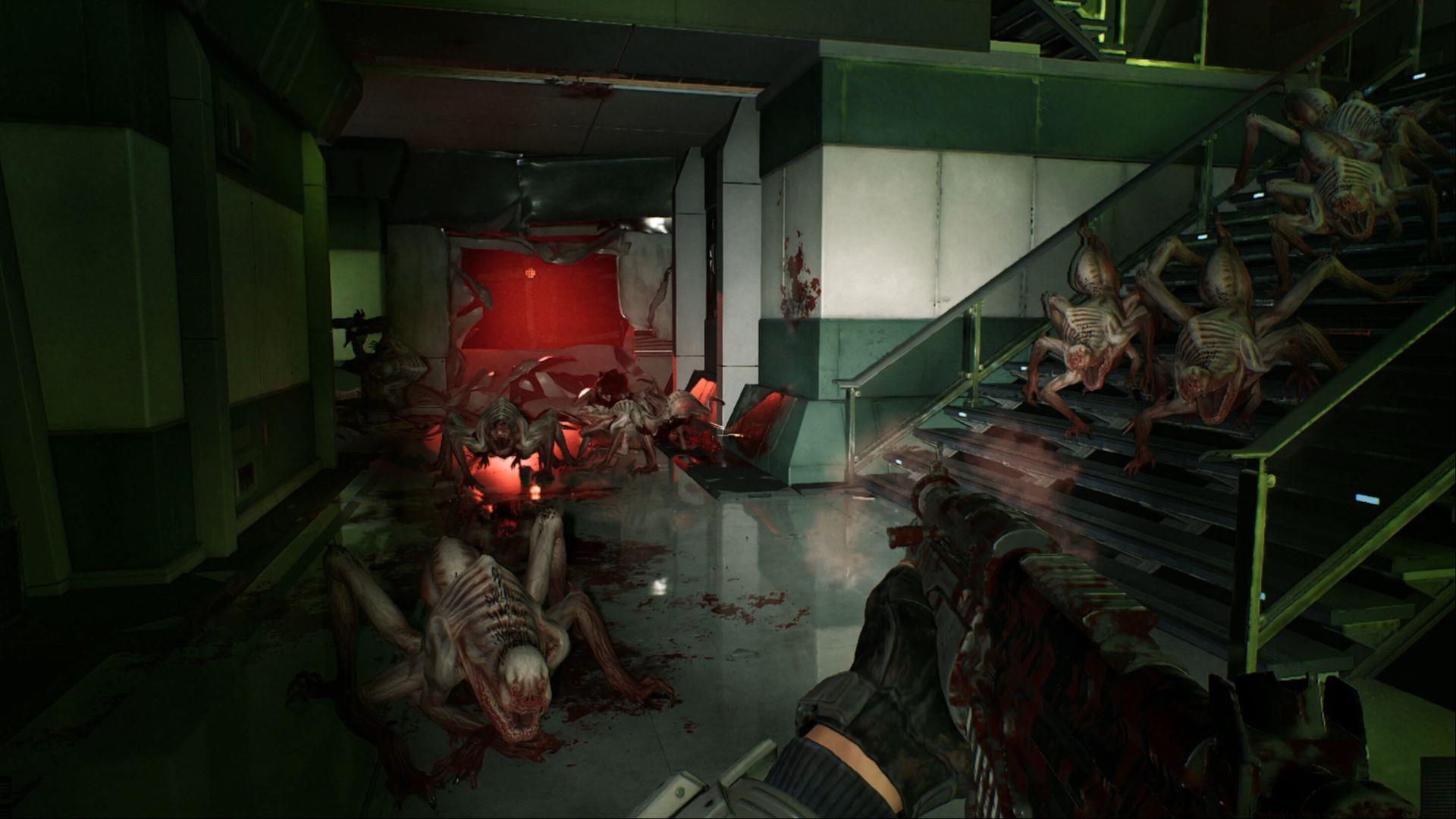
Killing Floor 3 introduces multiple sophisticated damage types that trigger specialized status effects when deployed against the relentless Zed hordes. Among these tactical options, Enfeeble stands out as a strategic crowd control mechanism that significantly diminishes enemy combat capabilities. This debilitating effect provides tactical advantages by reducing the offensive pressure from mutated adversaries, allowing coordinated teams to manage overwhelming numbers more effectively.
Understanding Enfeeble’s mechanics reveals its true value in high-difficulty scenarios where every tactical advantage matters. The status effect doesn’t merely slow enemies but actively reduces their damage output and attack frequency, creating windows of opportunity for strategic repositioning and focused fire. This makes it particularly valuable during boss encounters or when dealing with specialized Zed variants that typically overwhelm players through coordinated attacks.
Elemental Sources: Cold vs Biological Applications
Enfeeble manifests through two distinct elemental pathways in Killing Floor 3’s combat system: Cold and Biological damage types. The Cold element proves exceptionally effective against Mire-type Zed variants, though it demonstrates reduced potency against Flesh-based enemies. Beyond Enfeeble, Cold damage introduces the complementary Freeze status, which completely immobilizes targets, creating perfect opportunities for precision strikes or tactical retreats when overwhelmed.
Biological damage offers broader applicability, effectively engaging both Mire and Flesh enemy types while struggling against Armor-enhanced and Zedtech-equipped foes. This elemental type introduces a trifecta of status effects: Enfeeble for reducing combat effectiveness, Toxic for sustained damage over time, and Confuse which turns enemies against each other. The Confuse effect particularly shines in crowded encounters, where turning powerful Zeds into temporary allies can dramatically shift battle momentum.
Read more: Killing Floor 3 Year 1 roadmap explained
Strategic players should note that Cold’s specialization makes it ideal for teams expecting heavy Mire-type presence, while Biological’s versatility suits unpredictable enemy compositions. Advanced tactics involve coordinating team loadouts to cover each element’s weaknesses, ensuring no Zed type remains unchecked. The elemental rock-paper-scissors dynamic encourages thoughtful team composition rather than relying on universal solutions.
Class-Specific Implementation Techniques
While not every damage type can trigger Enfeeble, strategic players maximize its potential by integrating Cold or Biological elements into their preferred weaponry. The Ninja class exemplifies this approach, utilizing Cold-imbued katanas to create formidable melee crowd control platforms. This combination allows frontline fighters to simultaneously engage multiple targets while reducing incoming damage through the Enfeeble and Freeze combination, effectively creating safe zones amid chaotic encounters.
Beyond the Ninja, several other classes benefit from Enfeeble integration. Support specialists can utilize Biological weapons to weaken advancing hordes while medics tend to teammates. Demolitionists might combine area-effect Biological weapons with their explosive arsenal to control enemy positioning. The key is understanding each class’s engagement range and selecting elemental enhancements that complement their natural combat rhythm.
Weapon attachment strategies should consider encounter pacing. Fast-firing weapons benefit from Biological enhancements for constant Enfeeble application, while high-damage single-shot weapons pair well with Cold for decisive control moments. This tactical layer separates novice players from veterans who understand how to adapt their loadouts to specific mission parameters and team needs.
Advanced Tactical Applications
Mastering Enfeeble requires understanding its synergistic potential with other game mechanics. The status effect stacks multiplicatively with other debuffs, allowing coordinated teams to render even the most dangerous Zed variants nearly harmless. Combining Enfeeble with slow effects creates near-total area denial, while layering it with damage vulnerability debuffs turns controlled enemies into quick eliminations.
Common strategic errors include over-investing in Enfeeble against single targets or neglecting its diminishing returns against already-weakened enemies. Advanced players conserve elemental applications for critical moments: when reviving teammates, during objective defense phases, or when encountering unexpected elite Zed spawns. This resource management separates efficient players from those who waste precious ammunition on unnecessary control.
Pro-level strategies involve timing Enfeeble applications to interrupt specific enemy attack animations, particularly against bosses with telegraphed powerful strikes. The milliseconds saved by reducing attack wind-up times can mean the difference between team survival and wipe. Additionally, experienced players use Environmental awareness to maximize Enfeeble value, funneling controlled enemies into choke points where their reduced capabilities become most apparent.
That covers the essential knowledge about the Enfeeble status effect in Killing Floor 3, but mastery comes from practice and situational adaptation.
Check out our other articles on the game:
No reproduction without permission:SeeYouSoon Game Club » Enfeeble: What is Enfeeble in Killing Floor 3? Master the Enfeeble status effect in Killing Floor 3 with advanced strategies and practical implementation tips