
Kurt Fenech’s FIFA ban controversy and EA’s community responsibility debate
The Rise and Fall of a FIFA Star
Kurt Fenech’s journey from FIFA esports stardom to controversy offers critical insights into competitive gaming culture.
As one of Malta’s most accomplished FIFA competitors, Fenech dominated tournaments while simultaneously becoming known for his unfiltered critiques of EA SPORTS’ flagship soccer simulation. His dual identity as both elite player and vocal critic created constant tension with game developers. The breaking point came during FIFA 20’s competitive season when EA permanently banned him from all their gaming platforms, citing violations of their player conduct policies related to community toxicity.
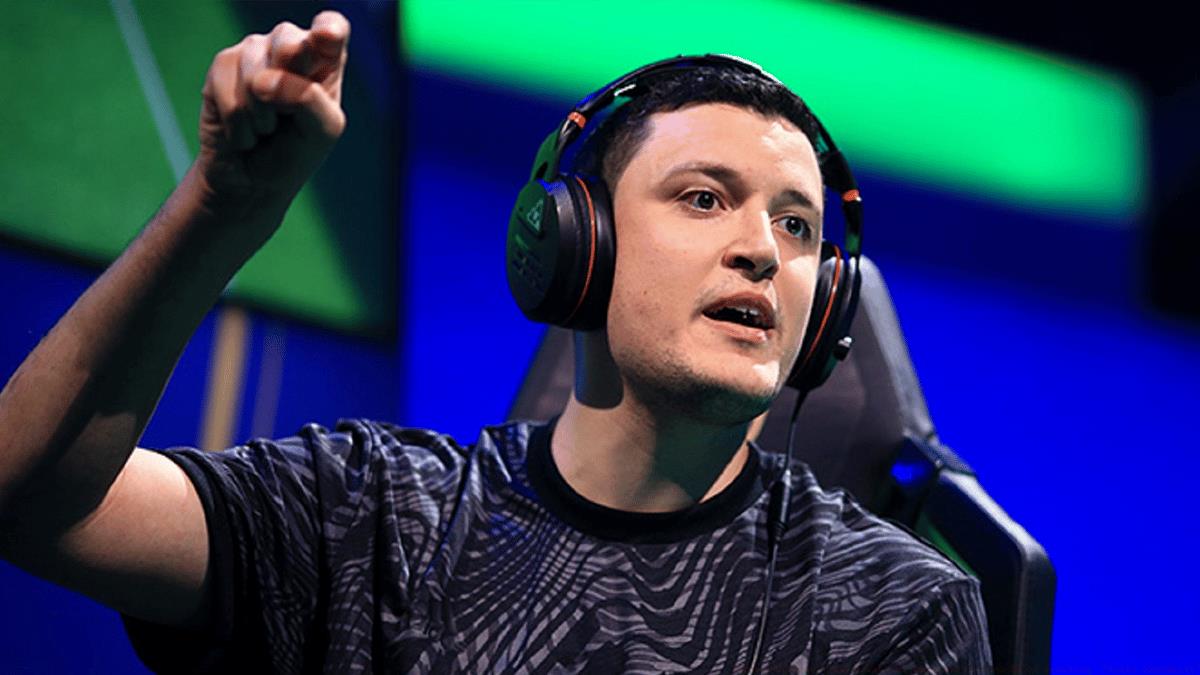 EA SPORTS
Professional gaming bans often carry significant consequences beyond simple gameplay restrictions. For competitors like Fenech who built careers around specific titles, these penalties can mean losing primary income sources and community standing overnight.
EA’s Community Management Challenge
The heart of Fenech’s dispute with EA SPORTS centers on fundamentally different interpretations of community toxicity sources. While EA maintains the ban resulted from his inflammatory rhetoric fostering negative environments, Fenech counters that systemic issues in game design and inconsistent moderation bear greater responsibility.
“They position themselves as mental health advocates while implementing punitive systems that exacerbate player frustration,” Fenech argued in his February YouTube address. His critique highlights the tension between competitive gaming’s inherently stressful nature and developers’ responsibility to cultivate healthy player ecosystems.
Industry analysts note this case reflects broader challenges facing live-service games. Without transparent metrics for toxicity measurement and consistent enforcement protocols, disciplinary actions risk appearing arbitrary or biased against vocal critics.
The Aftermath and Future Prospects
Following his ban, Fenech’s temporary pivot to Konami’s PES series proved short-lived, with the player eventually stepping back from competitive gaming entirely. His February 2023 YouTube update confirmed the ban remains fully enforced, dashing hopes of a potential reconciliation.
The case continues resonating throughout esports circles as a cautionary tale about player-developer relationships. While Fenech acknowledges past missteps, his insistence on shared responsibility for community health challenges conventional narratives around gaming misconduct.
As FIFA’s competitive scene evolves, the absence of polarizing figures like Fenech creates space for new stars like Anders Vejrgang, though some fans argue the community lost an important critical voice.
Navigating Online Gaming Communities
For players navigating competitive gaming environments, the Fenech case offers several important lessons:
- Understand platform-specific conduct policies thoroughly
- Document interactions with moderation systems
- Consider tone when offering game criticism
- Diversify gameplay across multiple titles
- Advocate for transparent moderation processes
Game developers face equal challenges in balancing community management with player expression. Establishing clear behavioral guidelines, consistent enforcement, and appeal processes helps maintain trust while addressing genuine toxicity.
No reproduction without permission:SeeYouSoon Game Club » Banned FIFA pro Kurt breaks silence and accuses EA of creating “toxic community” Kurt Fenech's FIFA ban controversy and EA's community responsibility debate