
Mastering combat styles and historical lore: A deep comparison between Wuchang: Fallen Feathers and Nioh
Core Similarities: Shared Soulslike DNA
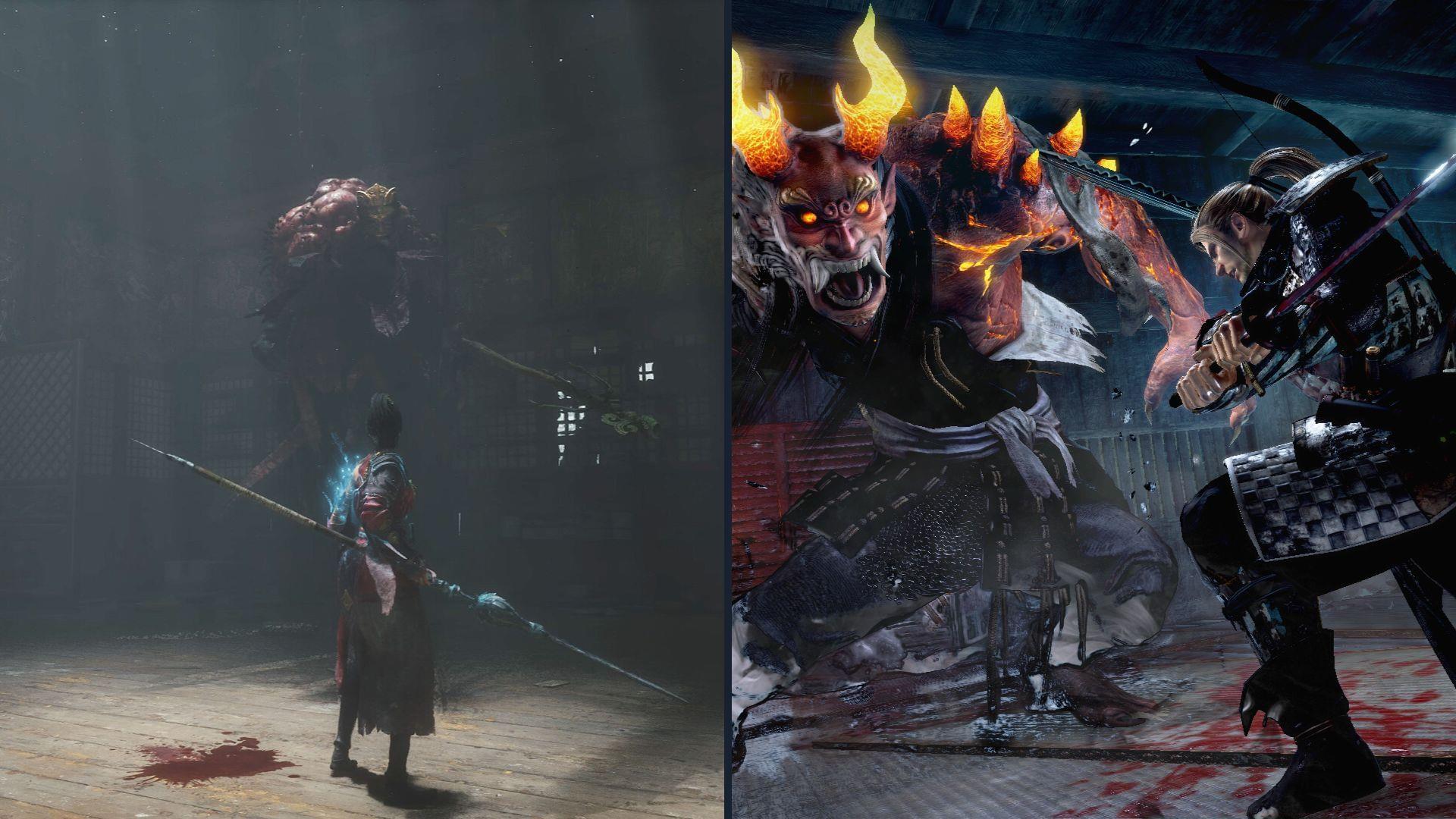
For enthusiasts of demanding combat systems, mythological depth, and intense melee encounters, both Wuchang: Fallen Feathers and Nioh deliver exceptional experiences. The comparison between these two titles reveals fascinating parallels in design philosophy while highlighting distinct approaches to the action-RPG genre.
Let’s systematically analyze their shared foundations and diverging paths, beginning with the common elements that define both gaming experiences.
Looking for Crossword hints & solutions? Check out latest NYT Mini Crossword Answers, LA Times Crossword Answers, and Atlantic Crossword Answers
The foundational experience in both titles centers around deliberately challenging gameplay that rewards mastery. Both games implement core Soulslike mechanics including stamina management during combat, formidable enemy encounters, high-stakes exploration, and boss fights that demand repeated attempts to overcome. The punishment system encourages strategic thinking rather than brute force approaches.
Also read: What happens when you die in Wuchang: Fallen Feathers?
Neither game implements difficulty arbitrarily; both are structured to reward player growth through mechanical precision and progressive skill development. Success comes from understanding attack patterns, managing resources effectively, and learning from each failed attempt.
The historical fantasy elements provide rich backdrops for both adventures. Nioh draws from Japan’s turbulent Sengoku period, incorporating authentic historical figures and locations. Wuchang: Fallen Feathers roots itself in China’s late Ming Dynasty, blending real historical context with supernatural horror. Both worlds merge factual settings with mythological creatures — traditional yokai spirits in Nioh contrast with avian-themed corruption in Wuchang.
Also read: How to heal in Wuchang: Fallen Feathers
Beyond simple monster-slaying, both games immerse players in collapsing civilizations where historical authenticity meets supernatural terror. The environmental storytelling in each title conveys societies crumbling under supernatural pressures, with ancient traditions providing context for the otherworldly threats.
Character progression and combat customization represent another shared strength. Nioh delivers exceptional build diversity through stance switching, elemental infusions, and deep equipment customization. Wuchang, while more streamlined, still provides meaningful weapon variety including single-handed blades, heavy axes, and reach-focused spears. Both systems allow players to develop personalized combat styles that suit their preferences.
Also read: 7 key differences between Black Myth Wukong and Wuchang: Fallen Feathers
Mastering your chosen arsenal in either game provides satisfaction comparable to defeating challenging bosses. Understanding weapon ranges, attack speeds, and stamina costs becomes crucial for survival in both titles.
Key Differences: Combat Pace and Narrative Approach
Combat rhythm represents the most significant divergence between these titles. Nioh emphasizes high-speed technical execution with rapid combos, precise parries, and fluid movement. Wuchang adopts a methodical, calculated approach where every action carries weight and consequence.
Also read: 5 best skills to unlock first in Wuchang: Fallen Feathers
Individual attacks in Wuchang feel impactful and deliberate, with positioning and timing outweighing combo complexity. The combat philosophy shifts from stylistic flourish to survival-focused tactics, creating tension through deliberate pacing rather than rapid reaction tests.
Narrative delivery follows contrasting paths. Nioh employs traditional storytelling techniques with cinematic cutscenes, voiced characters, and a defined protagonist in William Adams. Players receive clear narrative guidance throughout their journey. Wuchang prefers environmental narrative techniques, revealing its story through decaying architecture, monstrous transformations, and cryptic NPC dialogues.
Also read: How to defeat Reborn Treant – Soulwood in Wuchang: Fallen Feathers
This atmospheric storytelling approach creates haunting immersion but may challenge players accustomed to direct exposition. The method creates mystery and discovery at the cost of narrative clarity, appealing to different player preferences.
Technical execution and polish reveal another distinction. Nioh demonstrates refined game design with intelligently crafted levels, sophisticated enemy behavior, and consistent performance — especially in enhanced editions. Wuchang shows developmental ambition with occasional technical shortcomings. Critical analysis notes occasional glitches, unpredictable enemy responses, and combat inconsistencies.
Also read: How to defeat Commander – Honglan
Specific issues include unreliable attack tracking and inconsistent targeting systems. While the creative vision remains impressive, technical execution doesn’t always match ambitious design goals.
Strategic Tip: Nioh veterans should anticipate slower combat pacing in Wuchang — success comes from reading enemy tells rather than executing complex combos. Wuchang players moving to Nioh will need to adapt to faster reaction requirements and more intricate mechanical systems.
Common Mistake: Attempting to play Wuchang with Nioh’s aggressive tempo often leads to quick defeats. Similarly, overly cautious approaches in Nioh can leave players vulnerable to relentless enemy pressure.
Player Strategy Guide: Choosing Your Game
Selection between these titles depends heavily on gameplay preferences and tolerance for technical imperfections. Players seeking fast-paced, mechanically deep combat with clear narrative direction will find Nioh exceptionally satisfying. The refined systems, diverse build options, and polished execution create a consistently rewarding experience.
Alternatively, gamers preferring atmospheric, deliberate combat within a mysterious gothic-horror setting may discover Wuchang provides unique appeal. The weighty combat, environmental storytelling, and distinctive aesthetic create memorable moments despite technical rough edges.
The comparison ultimately highlights how games within the same genre can deliver fundamentally different experiences while maintaining similar foundational principles. One title excels as a technical combat masterpiece, while the other offers an atmospheric journey through decaying beauty.
Also read: 1.3 update patch notes
Advanced Tactics: For Nioh players, mastering the Ki Pulse mechanic is essential for maintaining offensive pressure. Wuchang players should focus on environmental awareness and attack timing rather than complex combos. Both games benefit from careful stamina management and pattern recognition.
Optimization Strategy: In Nioh, experiment with different weapon combinations to find synergy with your playstyle. In Wuchang, prioritize learning enemy attack patterns and perfecting dodge timing for survival.
Follow Sportskeeda for more updates:
No reproduction without permission:SeeYouSoon Game Club » Nioh: Wuchang: Fallen Feathers vs Nioh — Similarities and differences explored Mastering combat styles and historical lore: A deep comparison between Wuchang: Fallen Feathers and Nioh