
CS2 Deathmatch update transforms team balancing and weapon access with practical warm-up strategies
Deathmatch Team Balancing Overhaul
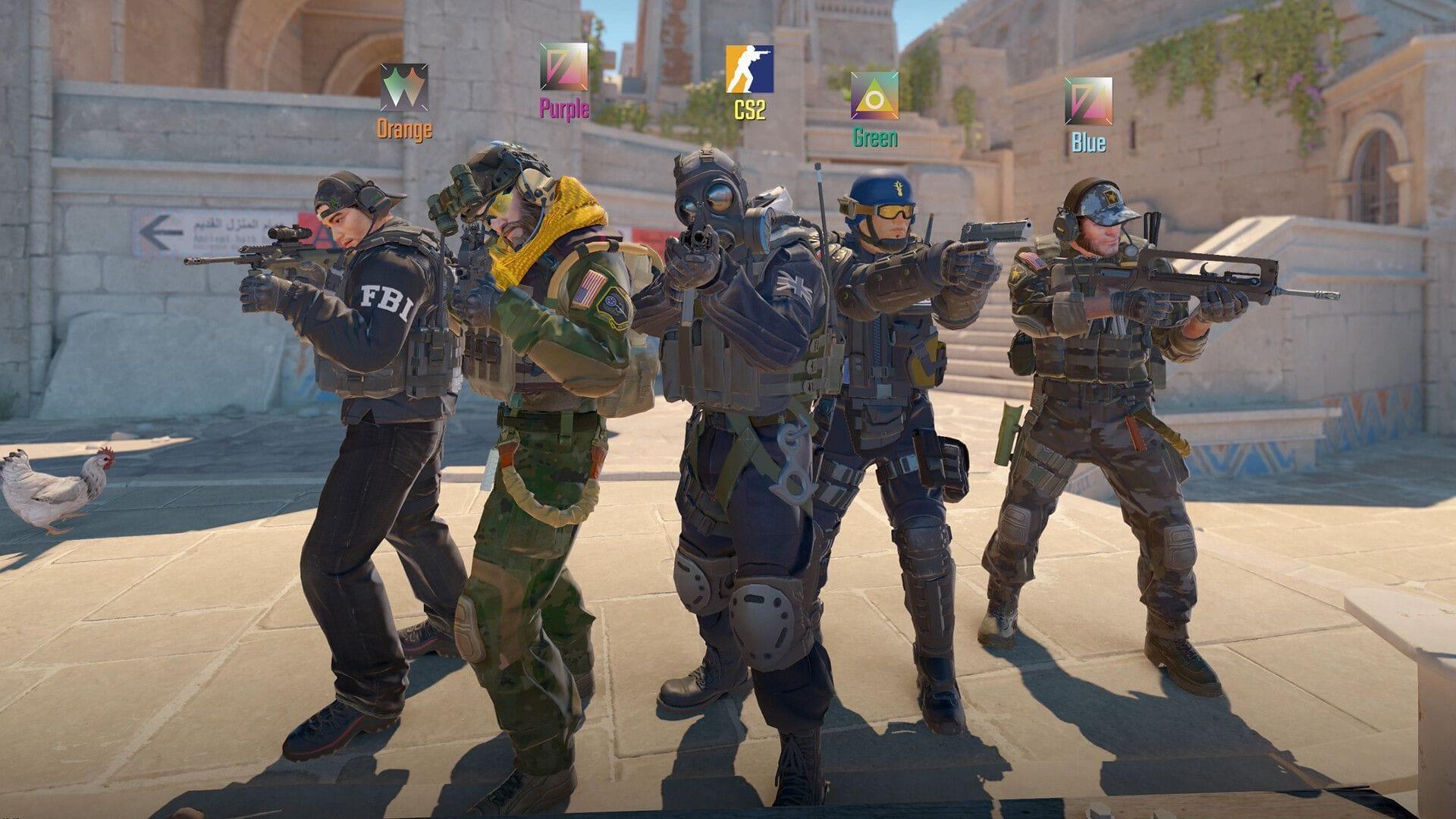
Valve’s latest CS2 patch notes deployed on May 16, 2025 introduce groundbreaking modifications to one of the game’s fundamental training modes. The Deathmatch experience, traditionally used by competitive players for warm-up routines, has undergone substantial team balancing revisions that fundamentally alter how players approach practice sessions. This long-requested feature addresses community feedback regarding weapon accessibility limitations.
The most significant innovation involves the elimination of mandatory team balancing within Deathmatch sessions. Previously, players found themselves randomly assigned to either Terrorist or Counter-Terrorist factions with no control over their weapon preferences. The updated system grants complete faction selection freedom, allowing individuals to choose their preferred side regardless of population distribution across teams.
This structural change directly responds to weapon practice limitations that have plagued the mode since its inception. Statistics from community surveys indicate approximately 68% of competitive players prioritize AK-47 practice during warm-up due to its distinctive recoil pattern and lethal headshot capability. The previous system often forced these players into Counter-Terrorist roles, restricting access to their preferred training weapons and diminishing practice efficiency.
Audio Enhancement Breakdown
Beyond team structure modifications, the May 16 update delivers substantial audio refinements that improve combat feedback clarity. These technical adjustments target specific sound elements that competitive players rely on for split-second decision making during intense firefights.
The AK-47 auditory adjustment specifically targets the initial firing impulse, creating a more responsive audio cue that better aligns with visual feedback. This modification addresses community complaints about audio-visual synchronization issues that could disrupt shooting rhythm during rapid tap-firing techniques commonly employed by elite players.
Impact sound improvements represent another critical enhancement, with reduced latency ensuring hit confirmation registers almost instantaneously from the shooter’s perspective. The dynamic audio ducking mechanism temporarily suppresses weapon fire and environmental sounds when impact cues trigger, guaranteeing players receive clear confirmation of successful hits even during chaotic multi-target engagements.
Professional players have noted these audio refinements significantly improve target acquisition follow-up and damage assessment capabilities. The prioritized audio mix ensures critical combat feedback remains perceptible regardless of background noise levels, providing a competitive advantage to players who master audio cue interpretation.
Strategic Implications for Players
The Deathmatch restructuring creates new strategic dimensions for both casual and competitive players. Understanding how to leverage the unbalanced team system effectively can dramatically improve warm-up efficiency and weapon mastery progression.
With faction restrictions removed, players should develop structured warm-up routines that alternate between Terrorist and Counter-Terrorist weapon arsenals. A recommended approach involves dedicating initial sessions to AK-47 recoil control practice, followed by M4A4/M4A1-S spray pattern refinement. This cross-training methodology builds comprehensive weapon proficiency rather than specializing in a single firearm.
Common mistakes include over-relying on the AK-47 due to its one-shot headshot capability, neglecting the tactical advantages of CT weapons. The M4A1-S’s superior accuracy during movement and easier spray control provides distinct benefits in certain combat scenarios. Advanced players should allocate at least 30% of their Deathmatch time to Counter-Terrorist weapons to maintain balanced skill development.
Another frequent error involves ignoring the audio feedback improvements during practice sessions. Players should consciously attune themselves to the new sound cues, particularly the instantaneous hit confirmation, which can transform target engagement timing in competitive matches. Incorporating audio awareness drills into Deathmatch routines develops multisensory reaction capabilities.
The quality-of-life enhancements extend beyond the obvious team selection freedom. The combined audio and structural changes create a more responsive training environment that better prepares players for the demands of competitive matchmaking and tournament play.
Advanced Optimization Techniques
Maximizing the benefits from these updates requires understanding advanced optimization strategies that leverage both the team structure freedom and audio enhancements simultaneously.
For audio configuration, competitive players should verify their sound settings prioritize clarity over immersion. Reducing environmental audio levels while maintaining maximum weapon and impact sound volumes ensures the new audio ducking feature functions optimally. Many professional players recommend setting ambient sound volume to approximately 60% of weapon volume levels to balance situational awareness with combat feedback.
The unbalanced team system enables targeted weakness improvement previously impossible in Deathmatch. Players struggling with specific weapon transitions can now practice exclusively with their problematic firearms without team assignment interference. This focused training approach accelerates skill development in areas like AWP quick-scoping, SMG run-and-gun tactics, or pistol eco-round strategies.
Performance monitoring becomes crucial with the expanded training possibilities. Players should track their kill-death ratios separately for Terrorist and Counter-Terrorist sessions to identify weapon-specific performance gaps. Maintaining a practice journal that notes improvement areas based on audio feedback reception can highlight perceptual development opportunities.
These collective enhancements transform Deathmatch from a simple warm-up mode into a sophisticated training platform that supports targeted skill development. The combination of weapon freedom and refined audio feedback creates an environment where players can systematically address individual weaknesses while developing advanced multisensory combat awareness.
No reproduction without permission:SeeYouSoon Game Club » CS2 patch notes (May 16, 2025): Deathmatch changes, graphics update, and more CS2 Deathmatch update transforms team balancing and weapon access with practical warm-up strategies