
TL;DR
- Master dew plant harvesting by targeting rocky formations and implementing systematic collection routes
- Prioritize Stillsuit crafting using Micro-sandwich Fabric from scavenger camps for passive water generation
- Utilize blood extraction from defeated enemies as emergency hydration during combat scenarios
- Optimize your Fabricator setup early to accelerate water production capabilities
- Implement strategic travel planning to minimize dehydration risks across Arrakis
Survival in Dune: Awakening revolves around mastering the unforgiving hydration mechanics that challenge players from their first moments on the desert planet. Your hydration meter, positioned prominently on the screen’s left edge, serves as a constant reminder of Arrakis’ lethal environment. Unlike traditional survival games where water is occasionally important, here it becomes your primary survival metric throughout the early and mid-game progression.
The initial hydration struggle represents one of the game’s most demanding survival hurdles. New players frequently underestimate how rapidly dehydration can escalate from minor inconvenience to life-threatening crisis. Understanding this system’s nuances separates successful survivors from those who perish in the shifting sands.
Dew plants provide your first hydration source but come with significant limitations. These natural resources only replenish the first segment of your hydration meter, creating an immediate need for more advanced solutions. Seasoned players quickly learn that relying solely on dew plants severely restricts exploration and mission completion capabilities.
During your initial hours on Arrakis, dew plants become essential temporary hydration sources while you establish more permanent solutions. These moisture-collecting flora typically cluster around rocky outcroppings scattered throughout the desert landscape. Implementing efficient harvesting routes significantly enhances your survival probability during critical early missions.
Strategic location identification proves crucial for maximizing dew plant efficiency. Experienced survivors recommend scanning elevated rock formations systematically, as these areas often contain multiple harvestable clusters. Each collection provides approximately 15-20% hydration restoration, making multiple stops necessary for full meter replenishment.
Common beginner mistakes include harvesting randomly rather than following planned routes, and failing to mark productive locations for future returns. Advanced players create mental maps of high-yield zones, enabling efficient hydration top-ups during extended expeditions away from their bases.
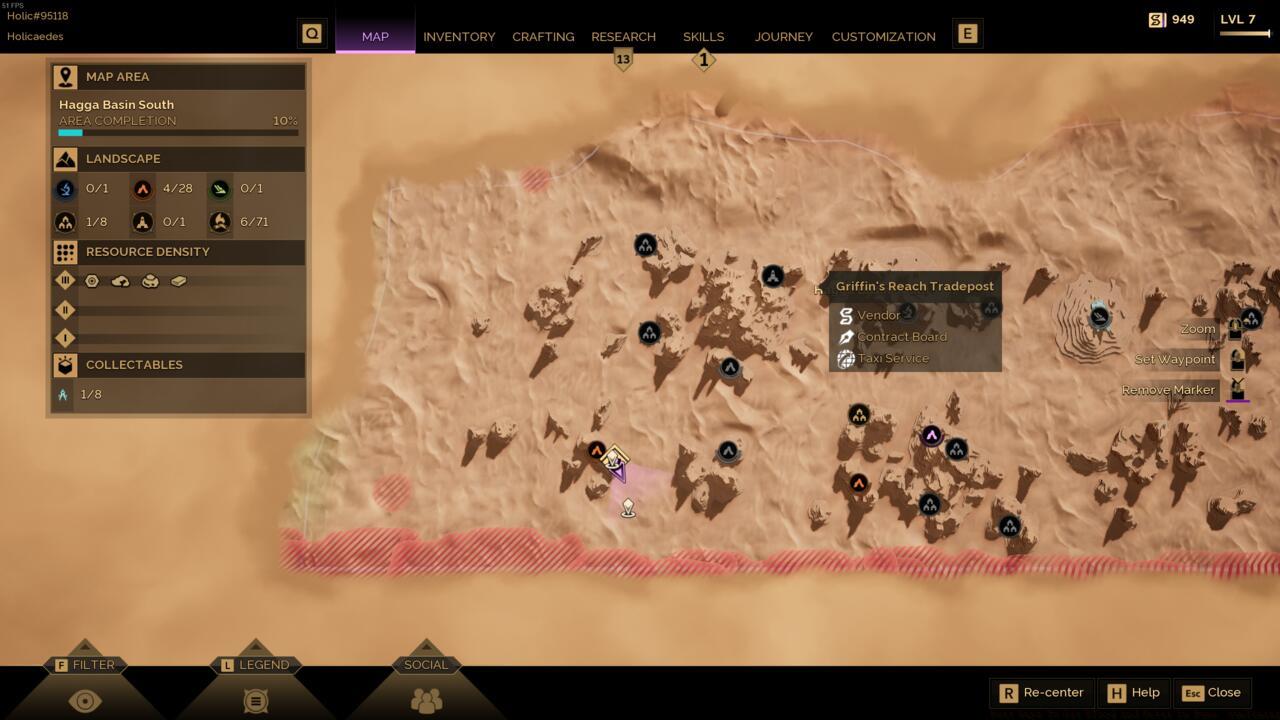
Strategic scavenger camp locations often contain valuable crafting materials near dew plant clusters
The Stillsuit represents your primary advancement in hydration technology, transforming from water-dependent survivor to self-sufficient explorer. This specialized armor becomes accessible after completing initial storyline missions and constructing the essential Fabricator structure at your established base. The crafting process demands strategic resource gathering and preparation.
Micro-sandwich Fabric serves as the cornerstone material for Stillsuit construction. This valuable resource primarily originates from scavenger camp loot containers or becomes available through trader networks. Prioritizing these material sources accelerates your progression toward sustainable hydration independence.
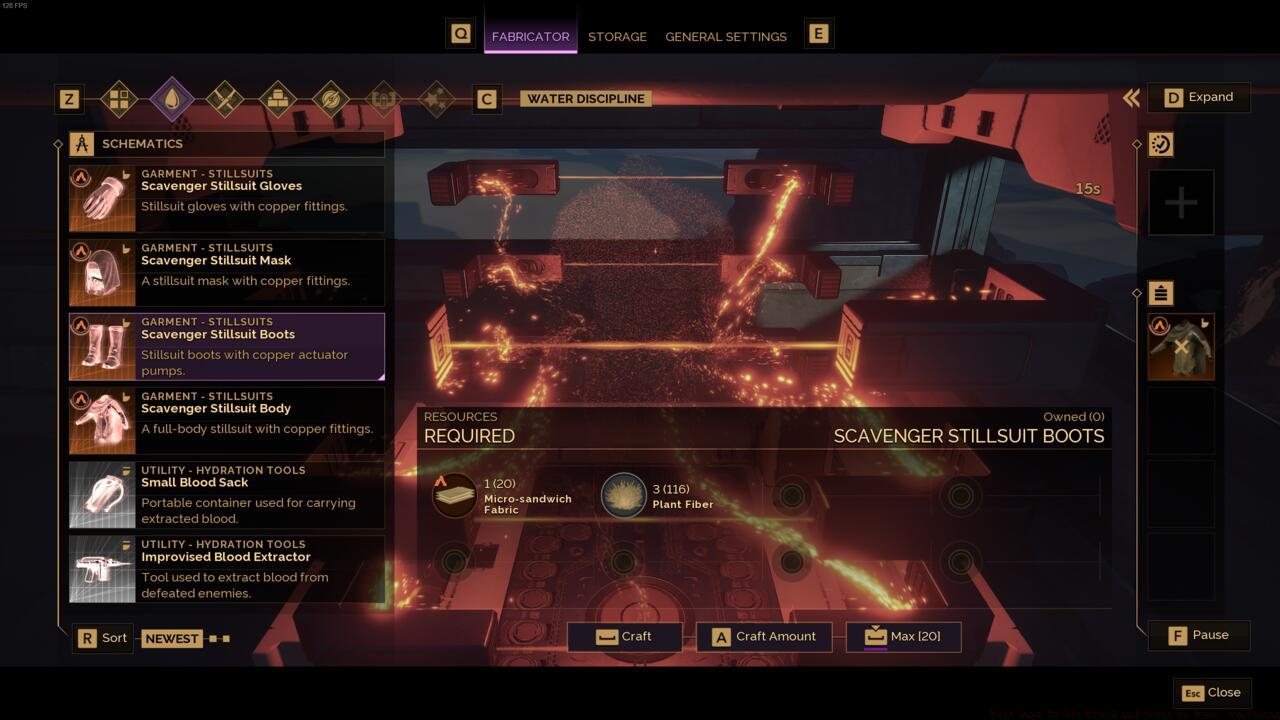
Creating the Stillsuit at the Fabricator
Once equipped, the Stillsuit initiates passive water generation through your physical movements across Arrakis. More strenuous activities like sprinting, climbing, or combat engagement increase production rates. Consuming generated water requires activating the designated interaction key adjacent to your hydration display (default F key on PC platforms).
While not providing complete hydration self-sufficiency, the Stillsuit ensures you maintain emergency water reserves during extended desert travels. Optimization involves balancing activity intensity with hydration consumption patterns for maximum efficiency.
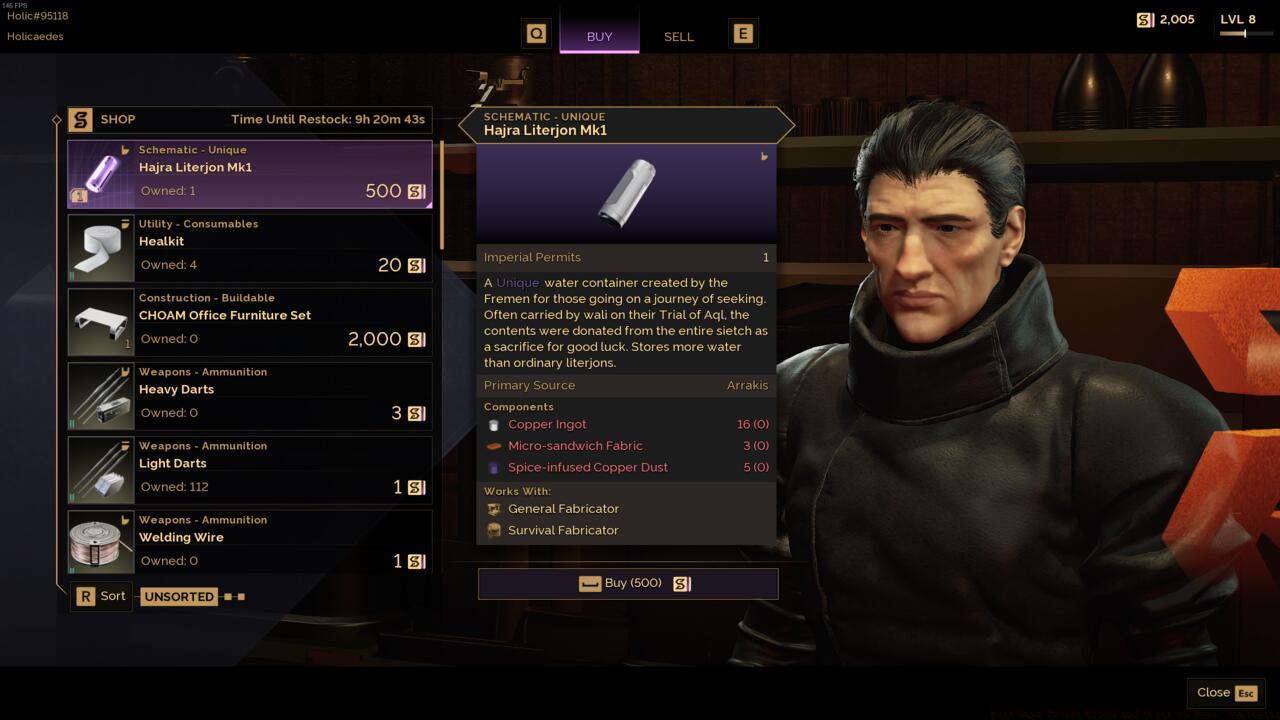
Trading networks offer alternative acquisition methods for hydration-related equipment and materials
Blood extraction introduces a more aggressive hydration strategy, transforming combat encounters into potential survival opportunities. This method becomes particularly valuable when traditional water sources are inaccessible during enemy territory operations or emergency situations.
The process requires specific tools and proximity to defeated adversaries. Successful implementation demands quick action before enemy remains desiccate in Arrakis’ extreme conditions, typically within 2-3 minutes post-elimination.
Strategic enemy selection significantly impacts blood yield efficiency. Larger creatures and human opponents typically provide substantially higher hydration returns compared to smaller desert fauna. However, this increased reward comes with correspondingly elevated combat risks that require careful assessment.
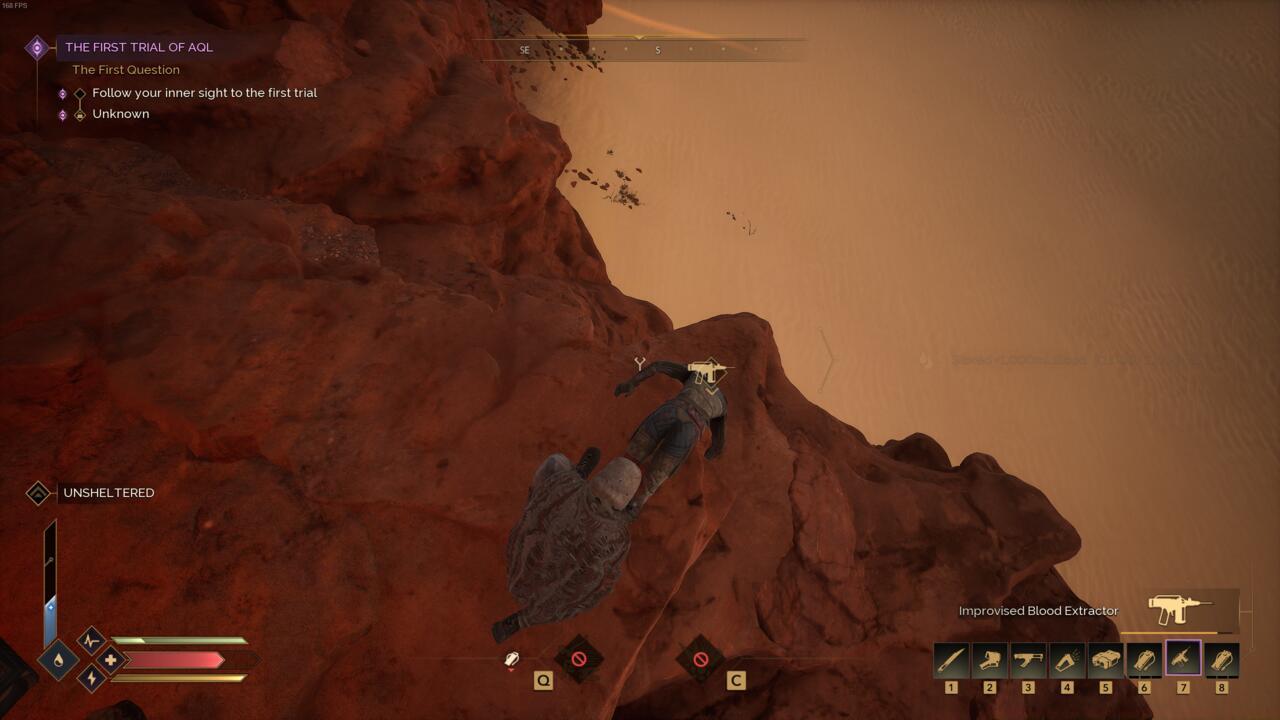
Blood extraction from defeated enemies provides emergency hydration during combat-intensive sequences
Advanced players utilize blood extraction as tactical supplements rather than primary hydration sources. The method proves most effective when integrated into comprehensive survival strategies that include Stillsuit usage and planned dew plant harvesting routes. Understanding when to prioritize blood collection versus retreat to safer hydration sources becomes a critical survival skill.
Mastering hydration in Dune: Awakening extends beyond simple collection to encompass sophisticated management techniques. Your inventory organization should prioritize hydration-related tools and materials, ensuring quick access during emergency dehydration scenarios. This organizational strategy becomes particularly crucial during sandstorm events or unexpected combat engagements.
Travel route planning represents another essential advanced technique. Instead of direct paths between objectives, experienced survivors chart courses that pass known dew plant clusters and scavenger camp locations. This approach transforms simple navigation into strategic hydration opportunity maximization.
Emergency protocols should include predetermined retreat routes to reliable water sources. When your hydration meter drops below 30%, immediate action becomes necessary rather than continuing toward distant objectives. This preventative mindset significantly reduces unnecessary character deaths from dehydration.
For players seeking comprehensive gameplay mastery, our Complete Guide provides additional survival strategy frameworks applicable across different game environments. Similarly, understanding Class Guide principles can enhance your strategic approach to resource management in Dune: Awakening.
Action Checklist
- Map dew plant clusters around rocky formations for emergency hydration stops
- Prioritize Fabricator construction and Stillsuit crafting in early gameplay
- Establish scavenger camp looting routes for Micro-sandwich Fabric acquisition
- Practice blood extraction techniques during low-risk combat encounters
- Develop strategic travel routes that incorporate known hydration sources
No reproduction without permission:SeeYouSoon Game Club » Best Ways To Get Blood And Water In Dune: Awakening Master hydration mechanics in Dune: Awakening with advanced water collection and blood extraction strategies