
TL;DR
- Southern Hemisphere players get 20+ new creatures including high-value beetles worth 12,000 bells
- Northern Hemisphere players should focus on 5 departing species before February
- January features Fishing Tourney (North) and Bug Off (South) events
- Premium catches include Blue Marlin, Napoleonfish, and Giant Isopod
- Strategic timing and location knowledge dramatically increase catch rates
Welcome to your comprehensive January creature hunting guide for Animal Crossing: New Horizons! As we transition into the new year, the creature landscape shifts significantly depending on your island’s hemisphere location, offering unique opportunities for dedicated collectors and bell-seekers alike.
The seasonal change brings dramatic differences between hemispheres. Southern Hemisphere islands experience a summer creature explosion with over 20 new bugs and several valuable fish species appearing this month. Meanwhile, Northern Hemisphere players face a quieter period but should prioritize catching several species that will disappear in February.
January also features special events to enhance your creature-catching experience. The first Fishing Tourney of 2023 occurred on January 9th for Northern Hemisphere residents, while Southern Hemisphere players enjoyed their first Bug Off event on January 16th. Nintendo has also announced another content update scheduled for later this month, though specific details remain under wraps.
While January brings no new creatures to Northern Hemisphere islands, this represents a critical window to secure several species that will vanish next month. Strategic planning now prevents frustrating gaps in your museum collection later.
Five creatures depart in February, creating urgent catching priorities. The blowfish and pond smelt fish species will leave aquatic environments, while three valuable insects—the damselfly, dung beetle, and Rajah Brooke’s Birdwing—will no longer spawn. These departing species offer your last chance for months to complete critical museum exhibits and earn valuable bells before their seasonal absence.
Common Mistake Alert: Many players overlook the importance of catching departing species, assuming they’ll have more time. These creatures typically won’t reappear for 9-11 months, creating long collection gaps. Prioritize evening and early morning hunting sessions for the dung beetle and Rajah Brooke’s Birdwing respectively.
The January 9th Fishing Tourney provided Northern players with exclusive rewards and competitive fishing opportunities. Even without new creatures, participating in these limited-time events remains essential for completing your Nook Mile achievements and obtaining unique items.
Southern Hemisphere players experience a creature paradise this January with summer bringing an abundance of new opportunities. Six new fish species join your waters, including two premium catches worth 10,000 bells each at Nook’s Cranny.
The ocean delivers exceptional value with the Blue Marlin and Napoleonfish, both commanding top-tier prices. Meanwhile, river enthusiasts can pursue the Sweetfish, adding diversity to your aquatic collection. The key to maximizing these opportunities lies in understanding spawn mechanics and optimal hunting times.
Insect collectors face an embarrassment of riches with 17 new bugs appearing this month. The beetle family particularly stands out with multiple species worth 8,000-12,000 bells, creating phenomenal bell-earning potential. Strategic coconut tree planting and preservation dramatically increases your beetle encounter rates.
Advanced Strategy: Create dedicated beetle farming areas by planting 10-12 coconut trees in a concentrated beach area and clearing other tree types nearby to force spawns on your preferred trees.
Only three new sea creatures emerge this month, but the Giant Isopod represents one of the game’s most valuable diving catches at 12,000 bells. Its specific active hours (9 AM-4 PM and 9 PM-4 AM) require planned diving sessions rather than casual ocean exploration.
The January 16th Bug Off event provided Southern players with competitive bug-catching challenges and exclusive rewards. These limited-time competitions offer unique opportunities beyond regular creature collection.
| New January Fish | Price | Location / Size | Time |
|---|---|---|---|
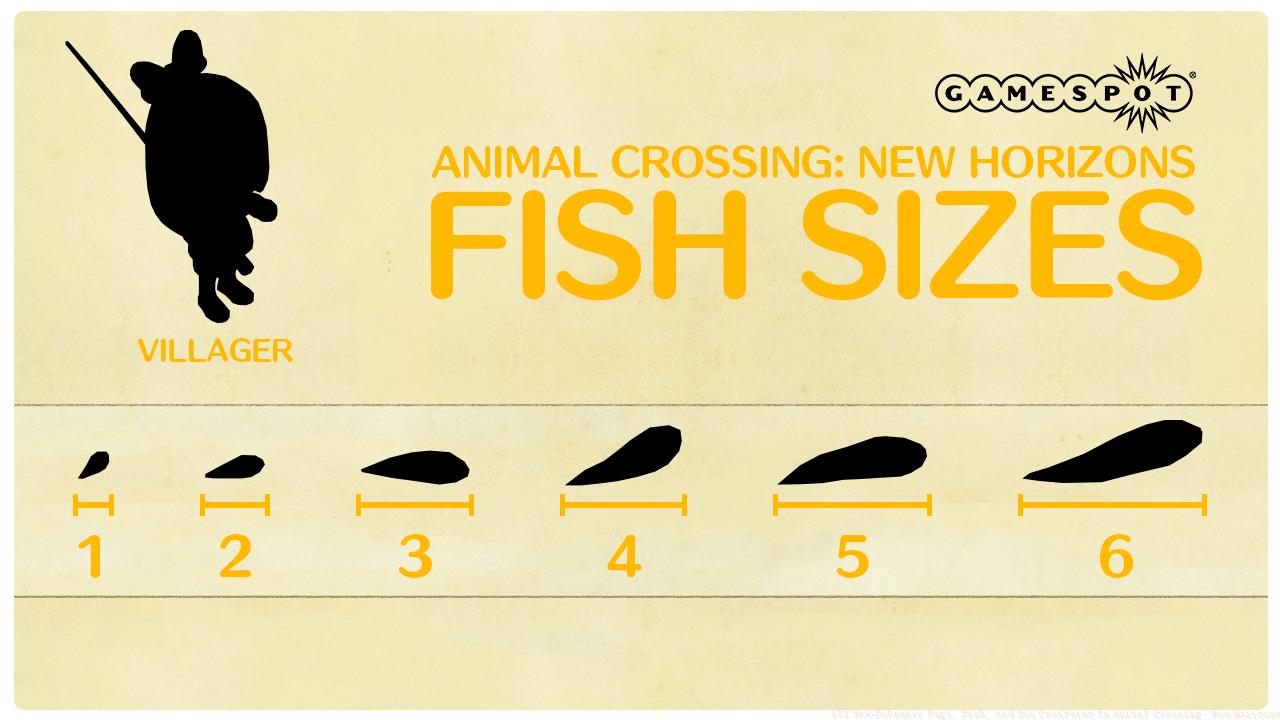
| Blue Marlin | 10,000 | Pier / 6 | All day |
| Napoleonfish | 10,000 | Sea / 6 | 4 AM – 9 PM |
| Ocean Sunfish | 4,000 | Sea / Fin | 4 AM – 9 PM |
| Puffer Fish | 250 | Sea / 3 | All day |
| Sweetfish | 900 | River / 3 | All day |
| Zebra Turkeyfish | 500 | Sea / 3 | All day |
| New January Bugs | Price | Location | Time |
|---|---|---|---|
| Blue Weevil Beetle | 800 | On coconut trees | All day |
| Brown Cicada | 250 | On hardwood/cedar trees | 8 AM – 5 PM |
| Cicada Shell | 10 | On trees | All day |
| Cyclommatus Stag | 8,000 | On coconut trees | 5 PM – 8 AM |
| Earth-Boring Dung Beetle | 300 | On trees | All day |
| Evening Cicada | 550 | On hardwood/cedar trees | 4 PM – 8 AM |
| Giant Cicada | 500 | On hardwood/cedar trees | 8 AM – 5 PM |
| Giant Stag | 10,000 | On trees | 11 PM – 8 AM |
| Giraffe Stag | 12,000 | On coconut trees | 5 PM – 8 AM |
| Golden Stag | 12,000 | On coconut trees | 5 PM – 8 AM |
| Grasshopper | 160 | On the ground | 8 AM – 5 PM |
| Horned Dynastid | 1,350 | On trees | 5 PM – 8 AM |
| Horned Elephant | 8,000 | On coconut trees | 5 PM – 8 AM |
| Horned Hercules | 12,000 | On coconut trees | 5 PM – 8 AM |
| Miyama Stag | 1,000 | On trees | All day |
| Robust Cicada | 300 | On trees | 8 AM – 5 PM |
| Saw Stag | 2,000 | On trees | All day |
| Scarab Beetle | 10,000 | On trees | 11 PM – 8 AM |
| Walking Leaf | 600 | On the ground (disguised as a leaf) | All day |
| Walking Stick | 600 | On trees | 4 AM – 8 AM; 5 PM – 7 PM |
| New January Sea Creatures | Price | Time |
|---|---|---|
| Giant Isopod | 12,000 | 9 AM – 4 PM; 9 PM – 4 AM |
| Horseshoe Crab | 2,500 | 9 PM – 4 AM |
| Moon Jellyfish | 600 | All day |
Maximizing your January creature collection requires more than just knowing what spawns—it demands strategic execution. For Southern Hemisphere beetle hunters, creating optimal farming conditions proves essential for maximizing high-value encounters.
Beetle Farming Mastery: Plant coconut trees in tight clusters on beach areas and remove other tree types from nearby areas. This forces the game’s spawn algorithm to prioritize your designated beetle trees, dramatically increasing efficiency.
Scare Tactics: Use the ‘scare away’ technique by running near unwanted insects to clear spawn slots for valuable beetles. This method significantly improves your chances of encountering premium species worth 8,000-12,000 bells each.
Diving Optimization: For sea creature hunting, focus on shadow size recognition. The Giant Isopod creates a large, fast-moving shadow distinct from other creatures. Practice identifying these visual cues to avoid wasting time on common species.
Time Management: Many premium creatures have specific active windows. The Cyclommatus Stag, Giraffe Stag, Golden Stag, Horned Elephant, and Horned Hercules all appear exclusively from 5 PM – 8 AM, requiring planned evening hunting sessions.
Museum vs. Profit Balance: Always donate the first specimen of any creature to Blathers for your museum collection. Subsequent catches should be sold for profit or traded with other players for missing species.
Remember that creature availability changes with the seasons, so strategic planning now ensures you won’t face frustrating collection gaps later. For comprehensive Animal Crossing strategies, check out our Complete Guide to mastering all aspects of island life.
Action Checklist
- Identify your hemisphere priorities: departing species (North) or new arrivals (South)
- For Southern Hemisphere: Plant 10+ coconut trees in beach clusters for beetle farming
- Schedule evening hunting sessions (5 PM – 8 AM) for premium beetles
- Focus on pier fishing for Blue Marlin and ocean diving for Giant Isopod during their active hours
- Donate first specimens to museum, sell duplicates for maximum bell profit
- Check our Weapons Unlock guide for additional Animal Crossing optimization strategies
No reproduction without permission:SeeYouSoon Game Club » All The New January Fish, Sea Creatures, And Bugs In Animal Crossing: New Horizons Complete January creature guide for Animal Crossing: New Horizons with hemisphere-specific strategies and profit tips