
Master Where Winds Meet difficulty modes with expert strategies, combat tips, and progression optimization techniques
Introduction: Understanding the Difficulty System
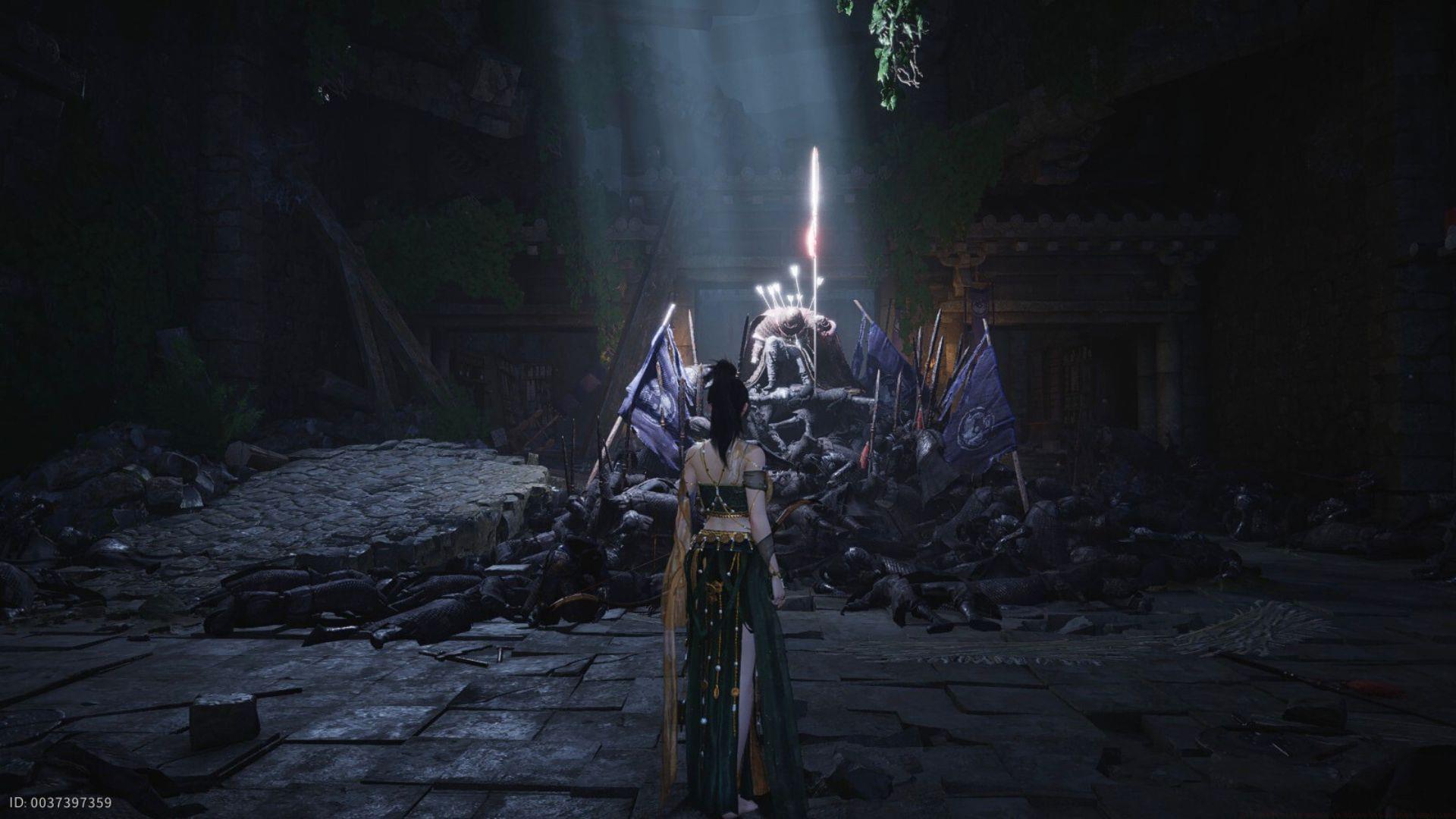
When embarking on your adventure through Where Winds Meet’s expansive open world, you’ll encounter a critical decision point: selecting from multiple difficulty settings that fundamentally shape your gameplay experience. Currently, the game features four distinct modes, each offering unique combat mechanics and progression systems. Your choice carries significant weight, as certain options become permanently locked based on your initial selection due to the global version’s current limitation on alternate character creation.
Many players underestimate how difficulty selection affects long-term progression. The mode you choose determines not just combat complexity but also influences story pacing, exploration freedom, and skill development opportunities. Understanding these nuances before committing can save you from restarting your journey later.
Story Mode: Narrative-Focused Experience
Story Mode caters specifically to players who prioritize narrative immersion over combat mastery. This setting provides comprehensive combat assistance, with Deflection assist prompts appearing for virtually every enemy attack. The system essentially holds your hand through encounters, allowing you to focus on the rich storyline and world exploration without combat frustration.
While most encounters allow evasion through fleeing, certain mandatory boss battles and story-progressing fights require engagement. Story Mode ensures these challenging moments remain accessible by significantly reducing enemy damage output and providing generous timing windows for defensive maneuvers. Remember that you must have a primary weapon equipped to activate the assistance prompts – a common oversight that leaves many new players confused about why the system isn’t functioning.
Pro Tip: Use Story Mode to learn enemy attack patterns without pressure. Even with assistance enabled, observing how different enemy types telegraph their moves will build foundational knowledge for higher difficulties.
Recommended Mode: Balanced Learning Path
Recommended Mode strikes an ideal balance between accessibility and skill development, serving as the perfect starting point for most players. While similar to Story Mode, it reduces combat assistance by eliminating prompts for minor attacks, forcing you to recognize basic enemy patterns independently. This deliberate design choice creates organic learning opportunities while maintaining manageable challenge levels.
The reduced assistance focuses primarily on special attacks and powerful abilities, providing expanded Dodge and Deflect windows that compensate for the decreased prompting. Enemy damage remains substantially lowered, ensuring that mistakes during the learning process don’t result in frustrating setbacks. This approach allows you to gradually build combat intuition while still enjoying the narrative and exploration elements without excessive tension.
Advanced Strategy: Practice manually timing your deflections even when prompts appear. This habit will prepare you for Expert Mode transitions and improve your overall combat efficiency. Many players who struggle with higher difficulties skipped this fundamental skill development in Recommended Mode.
Expert Mode: True Wuxia Challenge
Expert Mode represents a significant difficulty spike that delivers an authentic Wuxia combat experience by removing virtually all combat assistance. Enemies become substantially more dangerous, dealing increased damage while eliminating the safety net of Deflection prompts. Group encounters transform into strategic challenges requiring careful positioning and threat assessment as you monitor multiple attackers simultaneously.
The sole remaining assistance comes in the form of ranged attack indicators, preserving some situational awareness while demanding mastery of close-quarters combat mechanics. This mode intentionally pushes players toward combat excellence, embodying the ‘git gud’ philosophy while staying true to martial arts genre conventions.
Training Methodology: Before committing to Expert Mode, practice in Recommended difficulty with self-imposed restrictions by manually disabling Deflection assist in the options menu. This controlled environment builds the necessary muscle memory and visual recognition skills without the punishment of Expert Mode’s heightened damage values.
Common Mistake: Many players underestimate the importance of environmental awareness in Expert Mode. Positioning near walls or obstacles can limit dodging options, making group encounters unnecessarily difficult.
Legend Mode: Prestige and Challenge
Legend Mode stands as the pinnacle challenge for dedicated casual players, offering the highest standard difficulty with prestigious rewards. This option presents permanent consequences from character creation – once selected, you cannot return to Legend Mode if you lower the difficulty, nor can you participate in cooperative gameplay. These restrictions emphasize the commitment required for this elite experience.
Combat intensifies significantly with enemies possessing expanded health pools and dramatically increased damage output. The gameplay evolves into a souls-lite experience where precise Dodges and perfectly timed Deflects become essential survival tools rather than optional techniques. Success in this mode rewards players with exclusive emblems and profile badges that showcase their accomplishment to the community.
Reward Analysis: The Legend Mode emblem isn’t merely cosmetic – it signals to other players that you’ve mastered the game’s core combat systems. This prestige can be valuable for finding skilled cooperative partners once you complete your Legend playthrough.
Hardcore Mode: Ultimate Survival Challenge
Hardcore Mode transcends traditional difficulty settings by introducing permanent character death mechanics, creating the ultimate test of player skill and decision-making. In this extreme challenge, your character possesses a single life – when the health bar depletes to zero, your journey ends irrevocably with complete character loss.
Currently, this mode remains unavailable in the global version, likely due to the absence of alternate character creation systems. Similar to Legend Mode, Hardcore requires starting a new character and cannot be selected retroactively. This design ensures players fully understand the commitment required before embarking on such a perilous journey.
Future Considerations: Monitor game updates for Hardcore Mode implementation. When released, approach this mode only after thoroughly mastering Expert or Legend difficulties, as the penalty system leaves no room for learning through failure.
Preparation Strategy: If planning for Hardcore Mode, practice boss fights extensively in lower difficulties until you can consistently complete them without taking damage. This level of mastery becomes mandatory when every encounter carries permanent consequences.
Advanced Strategy Guide
Mastering Where Winds Meet’s difficulty system requires understanding both immediate and long-term implications of your choices. Begin with Recommended Mode to build fundamental skills, then progressively challenge yourself with higher difficulties as your proficiency improves.
Combat Optimization: Regardless of difficulty, master the timing difference between Dodge and Deflect mechanics. Dodging provides invincibility frames but repositioning, while Deflect offers counterattack opportunities but requires precise timing. Understanding when to use each technique significantly improves survival rates across all difficulty levels.
Progression Planning: If considering Legend Mode, complete all side content and collectibles in a lower difficulty first. This knowledge transfer eliminates exploration risks during your high-stakes playthrough and ensures you don’t miss important upgrades or story elements.
Common Progression Error: Many players attempt difficulty jumps too quickly. Ensure you can comfortably handle group encounters and boss fights in your current difficulty before advancing. Rushing to higher challenges without adequate preparation often leads to frustration and unnecessary character restarts.
Check out other related guides and features:
No reproduction without permission:SeeYouSoon Game Club » All difficulty modes in Where Winds Meet explained Master Where Winds Meet difficulty modes with expert strategies, combat tips, and progression optimization techniques