
An in-depth analysis of S8UL’s disqualification from MLBB MSC 2025, exploring the consequences, community reaction, and lessons learned for esports organizations.
The Disqualification Announcement and Immediate Fallout
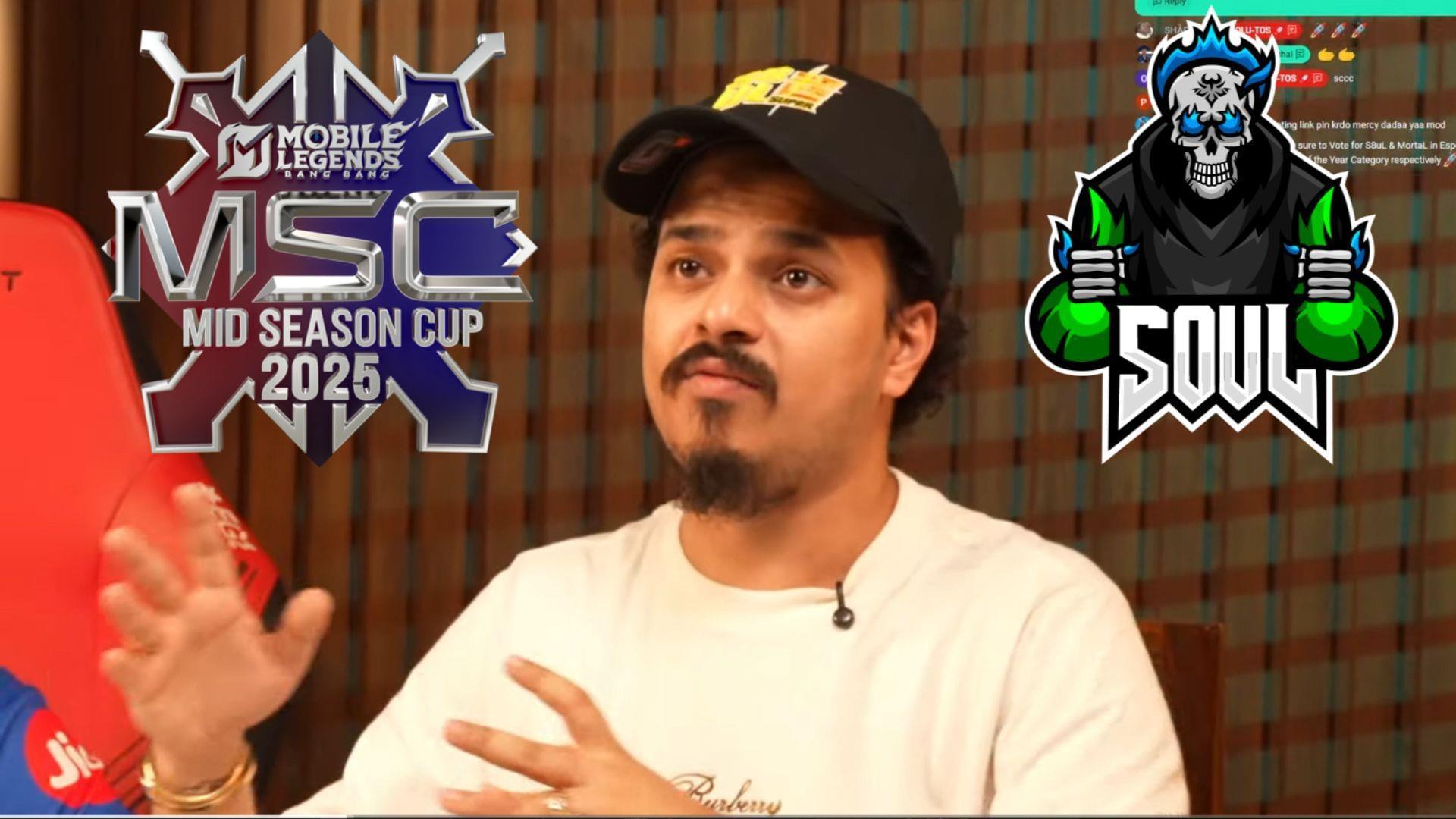
The Mobile Legends: Bang Bang competitive scene was shaken on June 30, 2025, when developer Moonton issued an official statement confirming the disqualification of S8UL Esports from the upcoming Mid Season Cup (MSC) 2025. This decisive action followed an investigation into breaches of the game’s competitive ruleset by members of the S8UL roster. The announcement emphasized Moonton’s unwavering commitment to maintaining fair play and the integrity of its premier tournaments, setting a clear precedent for all participating teams.
As a direct consequence of the disqualification, the tournament slot was reallocated. Area 77, the team that finished as runner-up in the MLBB North America Challenger Tournament (NACT) 2025 Spring, was promoted to take S8UL’s place. This move ensures the competitive bracket remains full and honors the results of the qualification pathway, although it delivers a brutal lesson to the disqualified organization and its players.
8Bit Thug’s Response and Organizational Perspective
The public face of the organization, Animesh “8Bit Thug” Agarwal, addressed the situation through his Instagram broadcast channel. His reaction captured the frustration and sense of powerlessness that can accompany such administrative penalties. “We did everything in our control,” Thug stated, a phrase that resonates with many esports organization leaders who face challenges in managing player conduct outside of structured practice and match environments.
This statement warrants deeper analysis. From an organizational standpoint, “everything in our control” likely refers to standard operational protocols: signing players with contracts that include code of conduct clauses, providing basic rulebook education, and establishing internal reporting structures. However, the incident reveals a potential gap between traditional organizational controls and the real-time, decentralized nature of modern esports competition. It highlights the need for organizations to implement more proactive, continuous monitoring and mentorship programs, especially for newly acquired rosters.
Background and Path to Qualification
S8UL’s journey to MSC qualification began with a strategic acquisition in May 2025, when the organization purchased the complete roster of BloodThirstyKings (BTK). This move is a common strategy in esports for rapidly entering a competitive tier, bypassing the need for lengthy talent development. The acquired squad proved its merit by securing victory in the North America Challenger Tournament (NACT) Spring 2025, earning the region’s coveted spot at the international Mid Season Cup.
This path from acquisition to qualification exemplifies the high-stakes, fast-paced nature of esports business. However, it also carries inherent risk. Integrating an existing team culture under a new brand banner requires more than just a contract transfer; it demands thorough due diligence into each player’s competitive history, attitude, and understanding of compliance. The subsequent disqualification suggests this integration process may have overlooked critical risk factors related to player behavior.
Understanding the Rule Breach and Its Implications
While Moonton’s statement did not publicize the specific violations, common competitive rule breaches in MLBB and similar esports include: account sharing or boosting, collusion (match-fixing), use of unauthorized software or exploits, and toxic behavior that violates the game’s and tournament’s codes of conduct. Such infractions undermine the core principle of fair competition and can result in severe penalties, from fines and individual suspensions to full team disqualifications, as seen here.
The implications extend far beyond a single tournament. For S8UL, the disqualification represents a significant financial and reputational loss, wasting the investment made in the roster acquisition and forfeiting potential prize money and sponsorship visibility. For the players involved, it may lead to personal suspensions, tarnished professional reputations, and difficulty securing future contracts. For the ecosystem, it reinforces the necessity for strict enforcement to deter similar behavior and protect the sport’s legitimacy.
Practical Tip for Organizations: Implement a mandatory, documented onboarding seminar for all newly acquired or signed players that goes beyond the rulebook. Use case studies of past disqualifications (like this one) to illustrate the real-world consequences of violations for both the individual and the team.
Lessons for Esports Organizations and Players
The S8UL MSC disqualification is a stark lesson for the entire esports industry. For organizations, it underscores that roster management is as much about character and compliance vetting as it is about assessing mechanical skill and team synergy. Due diligence must include background checks, references from previous organizations, and clear conversations about competitive integrity.
For players, this serves as a reminder that professional conduct is a 24/7 commitment. Actions taken outside official matches can still violate tournament rules and carry severe career-altering penalties. The responsibility to understand and adhere to the ruleset lies with the individual competitor as much as with their organization.
Common Mistake to Avoid: Assuming that because a player is talented and has competed at a high level, they automatically understand and will comply with all competitive rules. Never assume; always verify and continuously educate.
Moving forward, the most resilient organizations will likely develop more robust internal governance structures, including dedicated compliance officers, regular rule refreshers, and confidential reporting channels for concerns. This incident, while painful for those involved, provides a valuable case study for building a more sustainable and professional competitive landscape.
No reproduction without permission:SeeYouSoon Game Club » 8Bit Thug reacts to S8UL’s disqualification from MLBB MSC 2025 Riyadh An in-depth analysis of S8UL's disqualification from MLBB MSC 2025, exploring the consequences, community reaction, and lessons learned for esports organizations.