
Essential strategies and expert tips to master Broken Arrow’s tactical warfare gameplay for beginners
Understanding Broken Arrow’s Core Mechanics
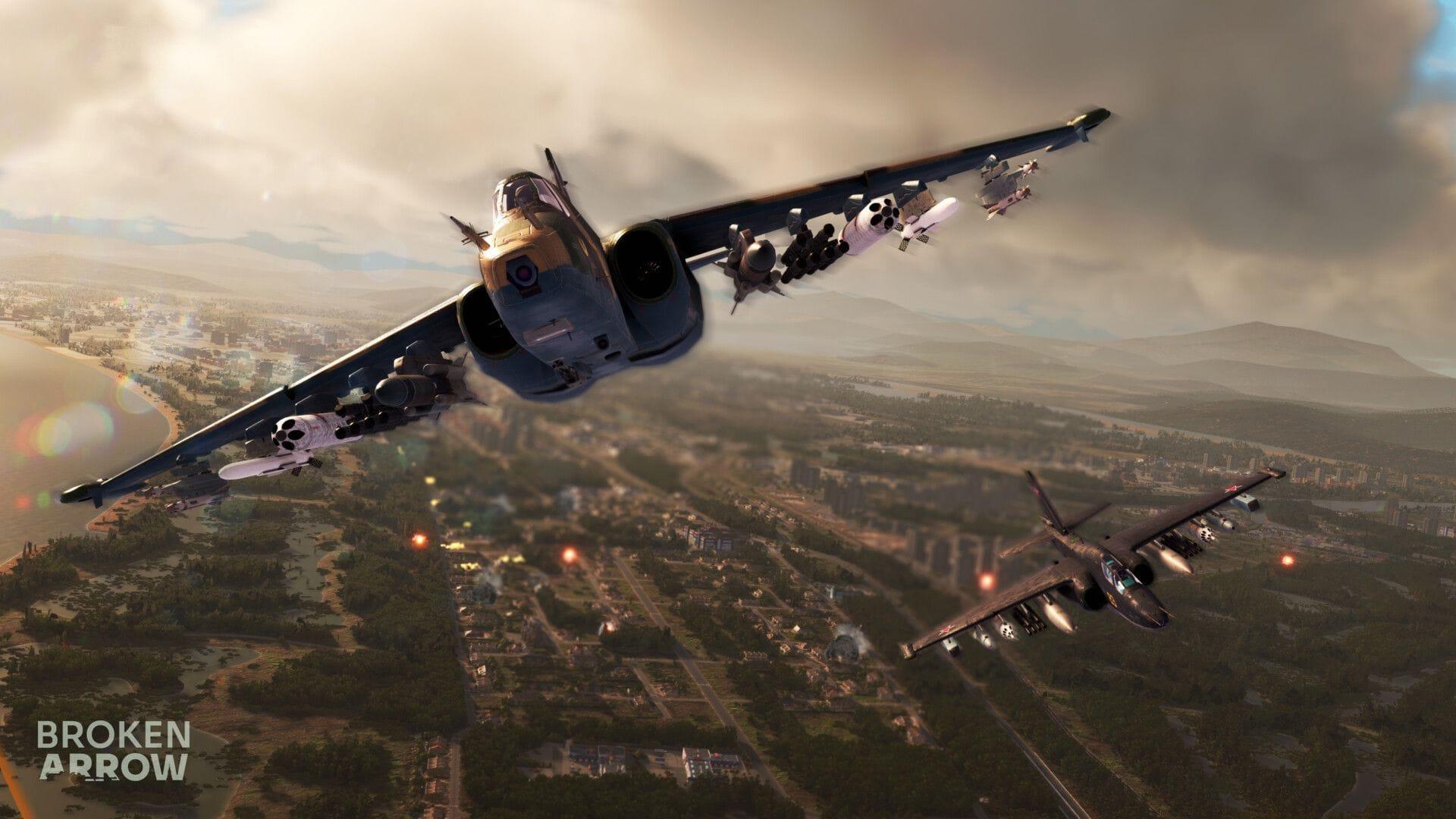
Broken Arrow represents the latest evolution in tactical military simulation, blending real-time strategic elements with deeply complex combat mechanics. Developed by Steel Balalaika and released on June 19, 2025, this title demands exceptional strategic thinking and meticulous planning. New players frequently struggle to adapt to its sophisticated systems, which combine traditional RTS elements with modern warfare simulation.
One common mistake beginners make is underestimating the importance of terrain analysis. Unlike simpler strategy games, Broken Arrow requires careful consideration of elevation, cover, and line-of-sight dynamics. Learning to read the battlefield topography can dramatically improve your defensive positioning and offensive maneuvers.
Advanced Reconnaissance Tactics
Effective reconnaissance forms the foundation of successful Broken Arrow operations. When positioning your surveillance vehicles, always disarm them first to minimize detection signatures. This tactical approach keeps your observation posts concealed from enemy scanners and extends the longevity of your defensive networks.
Maintain multiple reconnaissance assets simultaneously across different sectors. Deploying a mix of drones, ground vehicles, and infantry scouts creates redundant intelligence gathering capabilities. If one asset gets neutralized, your situational awareness remains intact through alternative sources.
Avoid the common error of clustering reconnaissance units together. Spread your surveillance across various elevation points and use concealment zones effectively. Remember that different recon units have varying detection ranges and specialties—infantry excel in urban environments while vehicles provide better coverage in open terrain.
Strategic Deck Building Fundamentals
Broken Arrow’s dynamic battlefields demand adaptable strategic approaches tailored to each specific map configuration. Early recognition that different terrain requires specialized tactics is crucial for success. Players must develop proficiency with both aerial and ground-based deck compositions to handle varied combat scenarios effectively.
The game provides extensive deck customization options including reconnaissance specialists, armored divisions, artillery support, infantry squads, and specialized support units. Understanding unit synergies and which combinations excel in particular environments provides significant tactical advantages.
Air-focused decks typically dominate in expansive, open battlefields where mobility and ranged engagement prevail. Conversely, ground-heavy compositions prove more effective in complex urban environments featuring abundant structural cover like multi-story buildings and strategic bridge crossings.
When building decks, consider incorporating hybrid approaches that maintain flexibility. A balanced composition with 60% ground units and 40% air support often provides the adaptability needed for unpredictable multiplayer matches where opponents may employ unexpected strategies.
Resource Management and Economy Control
Victory in Broken Arrow hinges on precise resource allocation and economic management throughout engagements. Careful planning based on battlefield topography and anticipated opponent movements dramatically increases success probabilities.
The game employs a sophisticated point-based calculation system governing military unit deployment and supply logistics. Effective commanders must balance unit quantity against resource expenditure to sustain continuous combat effectiveness.
Monitoring enemy resource expenditure patterns provides critical intelligence for timing offensive operations. When you detect opponent supply shortages or overextended positions, launching coordinated attacks can exploit these vulnerabilities and secure decisive victories.
Advanced players recommend maintaining a reserve force comprising 15-20% of your total points. This strategic reserve allows rapid response to unexpected developments or opportunities without compromising your primary battle line’s integrity.
Practice and Learning Systems
Broken Arrow features a notoriously steep mastery curve, but provides comprehensive training tools through its detailed custom game mode. This practice environment allows safe experimentation with various tactical approaches without competitive pressure.
The integrated scenario editor enables creation of solo missions, cooperative operations, and complete campaign experiences. Beginners benefit tremendously from designing custom scenarios that target specific skill deficiencies or test new strategic concepts.
Also check out: Is BA on Xbox?
New players often struggle with deck construction tailored to specific maps or personal playstyles. Leveraging community-designed pre-made decks from experienced players provides excellent learning foundations before attempting custom creations.
Remember that expert-crafted decks serve primarily as educational tools demonstrating effective unit combinations and tactical principles. Ultimately, developing personalized deck configurations aligned with your unique command style delivers superior long-term performance.
Read more: Is BA an RTS?
Progressive learning involves analyzing each match’s outcome regardless of victory or defeat. Review battle replays to identify decision points where alternative choices might have yielded better results, focusing particularly on resource allocation timing and unit positioning errors.
No reproduction without permission:SeeYouSoon Game Club » 5 best tips for beginners to start with Broken Arrow Essential strategies and expert tips to master Broken Arrow's tactical warfare gameplay for beginners