
TL;DR
- Rotate classes immediately upon maxing them to master arts across your entire party
- Use auto-build functionality for quick equipment optimization while manually fine-tuning for endgame content
- Learn visual environmental cues to efficiently identify valuable resources and enemy types
- Maintain constant meal bonuses and visit all colony canteens to unlock recipes
- Skip intermediate gem levels by upgrading directly to highest available tiers
Navigating Xenoblade Chronicles 3’s complex character progression requires strategic planning from the outset. This massive JRPG presents numerous interlocking systems that can overwhelm even experienced players, despite comprehensive tutorial coverage. Understanding which mechanics demand immediate attention versus those that can be temporarily deferred is crucial for efficient progression.
Your six primary party members plus rotating hero characters create a substantial management challenge. Each character maintains six interconnected skill trees alongside accessory slots and gem configurations. These layered customization options provide depth but require systematic approaches to avoid menu fatigue.
Implement immediate class rotation once mastery is achieved. The class flexibility system enables characters to equip arts from previously mastered classes, creating incredible combat versatility. To unlock these cross-class abilities, you must extensively utilize each class until its arts become permanently available. Simultaneously, monitor class proficiency ratings that indicate performance in the four combat roles: Attacker, Defender, Healer, and Tactics. These letter grades help you construct balanced team compositions beyond simple class distribution.
Character customization demands manual intervention for optimal results. While newly unlocked art and skill slots receive automatic assignments, you’ll want to personally configure these based on your current challenges. The auto-build feature (activated via Y button) provides competent equipment and gem selections tailored to each class specialization. This automated system serves as an excellent foundation but falls short of min-maxed configurations achievable through manual optimization.

Completing hero quests marked with yellow indicators unlocks additional class options for your entire party.
Resource management forms the backbone of Xenoblade Chronicles 3’s progression systems, with cooking and gem crafting providing significant combat advantages. Material acquisition follows semi-randomized patterns, with specific monsters dropping designated resources while general items appear throughout the environment. Adopt a path-adjacent collection strategy—gathering resources along your primary route without excessive deviation.
Environmental navigation proficiency requires mastering the game’s visual language. Distinct colored indicators reveal resource types: green beams signify ether deposits, yellow denotes standard containers, red marks fallen soldiers, and blue indicates rare items. Enemy identification extends beyond level displays, with gold sparkles highlighting rare variants, blue flourishes indicating elite monsters, and yellow flourishes marking unique encounters.
Gem crafting delivers permanent statistical improvements that dramatically impact combat performance. Each gem creation consumes gemstones, ether cylinders, and assorted materials. Crucially, the upgrade system allows skipping intermediate levels—if you possess sufficient materials for a level 4 gem upgrade from level 1, you can advance directly without incremental steps.
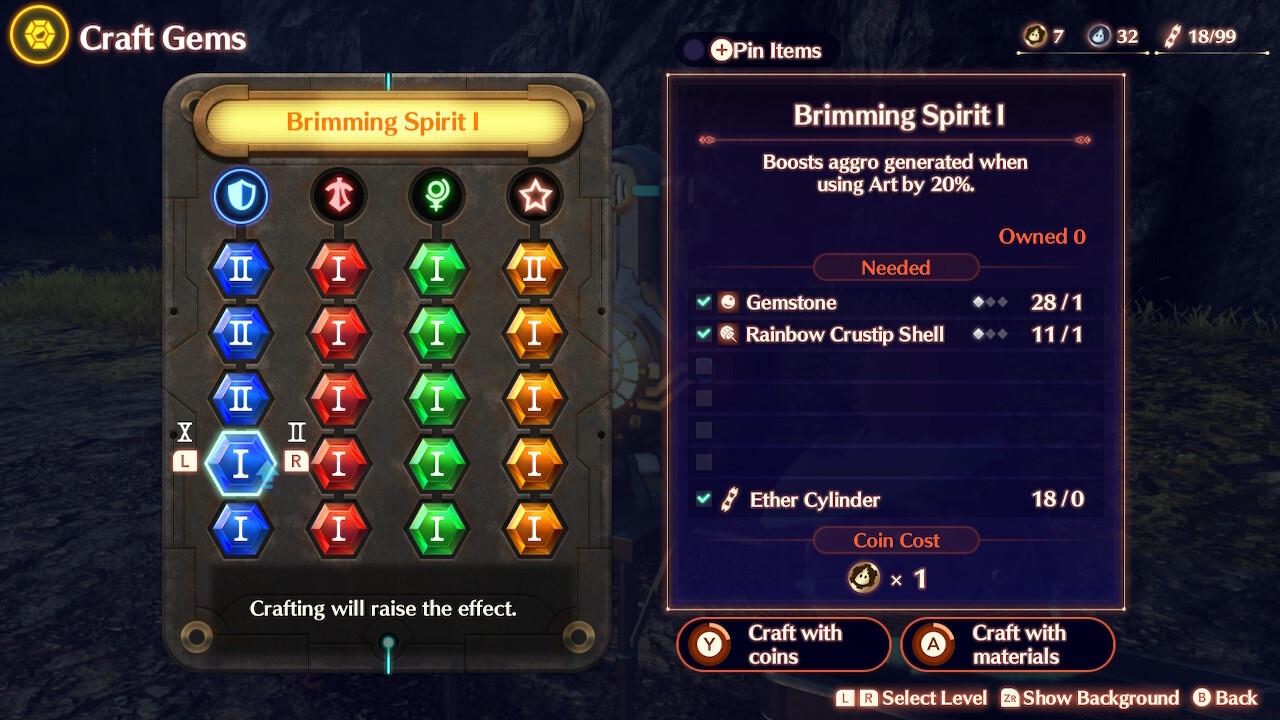
Strategic gem selection and upgrading provides substantial combat advantages that scale throughout your journey.
Cooking represents one of the most impactful non-combat systems, providing temporary bonuses that significantly ease exploration and battles. Maintain active meal effects consistently by visiting campsites regularly. For comprehensive recipe discovery, sample every colony’s canteen at least once to permanently add their culinary creations to your repertoire.
Exploration efficiency hinges on understanding spatial relationships and traversal mechanics. The game world contains numerous vertical elements and hidden pathways that reward thorough investigation. Time of day affects certain resource availability and enemy spawns, making repeated visits to areas at different times worthwhile.
A common progression mistake involves underestimating the value of completed side content. Hero quests not only expand narrative depth but permanently unlock new class options across your entire roster. These yellow-marked missions provide some of the most powerful gameplay expansions available.
Advanced combat optimization involves synchronizing class abilities with gem selections and accessory loadouts. For example, pairing evasion-focused gems with agile attacker classes creates specialized dodge tanks, while stacking healing potency gems with support classes dramatically improves survivability. Understanding these synergies separates competent players from masters.
Action Checklist
- Rotate characters to new classes immediately upon reaching max rank to master arts
- Configure manual art assignments while using auto-build for baseline equipment optimization
- Visit every colony canteen to permanently unlock recipes
- Upgrade gems directly to highest available levels to skip intermediate material costs
- Complete all hero quests (yellow markers) to unlock additional classes
No reproduction without permission:SeeYouSoon Game Club » Xenoblade Chronicles 3 Tips And Tricks Master Xenoblade Chronicles 3 with expert class management, resource optimization, and combat enhancement strategies