
TL;DR
- Dragonflight returns to classic talent trees with dual specialization paths
- Characters earn alternating class/spec points from level 10 onward
- Visual indicators distinguish active, passive, and choice-based talents
- Loadout system supports 10 customizable talent builds per character
- External calculators provide essential planning tools for optimization
Games and Esports Articles
Blizzard Entertainment has fundamentally transformed the talent mechanics in World of Warcraft’s Dragonflight expansion, marking a significant departure from recent systems. The development represents a strategic return to the classic talent tree framework that veteran players will recognize, while incorporating modern quality-of-life enhancements. This comprehensive redesign emphasizes player agency and build diversity across all character classes.
Previous talent iterations focused primarily on enhancing existing class capabilities through incremental improvements. The new approach empowers players to construct their character’s foundation from the ground up, offering substantially greater customization potential. While maintaining essential class functionality, the system now provides unprecedented freedom in character development pathways.
Common mistakes include overlooking talent synergies and failing to adapt builds for different content types. Advanced players should focus on creating specialized loadouts for raids, mythic dungeons, and PvP scenarios to maximize performance in each situation.
Character progression unlocks talent trees and specialization selection at level 10, with Evokers being the exception who gain immediate access. Each character manages two distinct talent trees: the Class tree accommodating up to 31 points at maximum level, and the Specialization tree supporting 30 points. At level 10, players receive their initial Class point, with subsequent levels granting alternating Class and Specialization points.
The strategic allocation of these points requires careful planning, as respec costs have been eliminated but optimization remains crucial. Players should prioritize foundational talents that enable core gameplay mechanics before investing in situational or advanced abilities. The alternating point distribution system ensures balanced development between class fundamentals and specialization enhancements.
Practical tip: Create multiple talent variations during leveling to test different playstyles. Many players make the error of sticking with a single build throughout their progression, missing opportunities to discover powerful combinations.
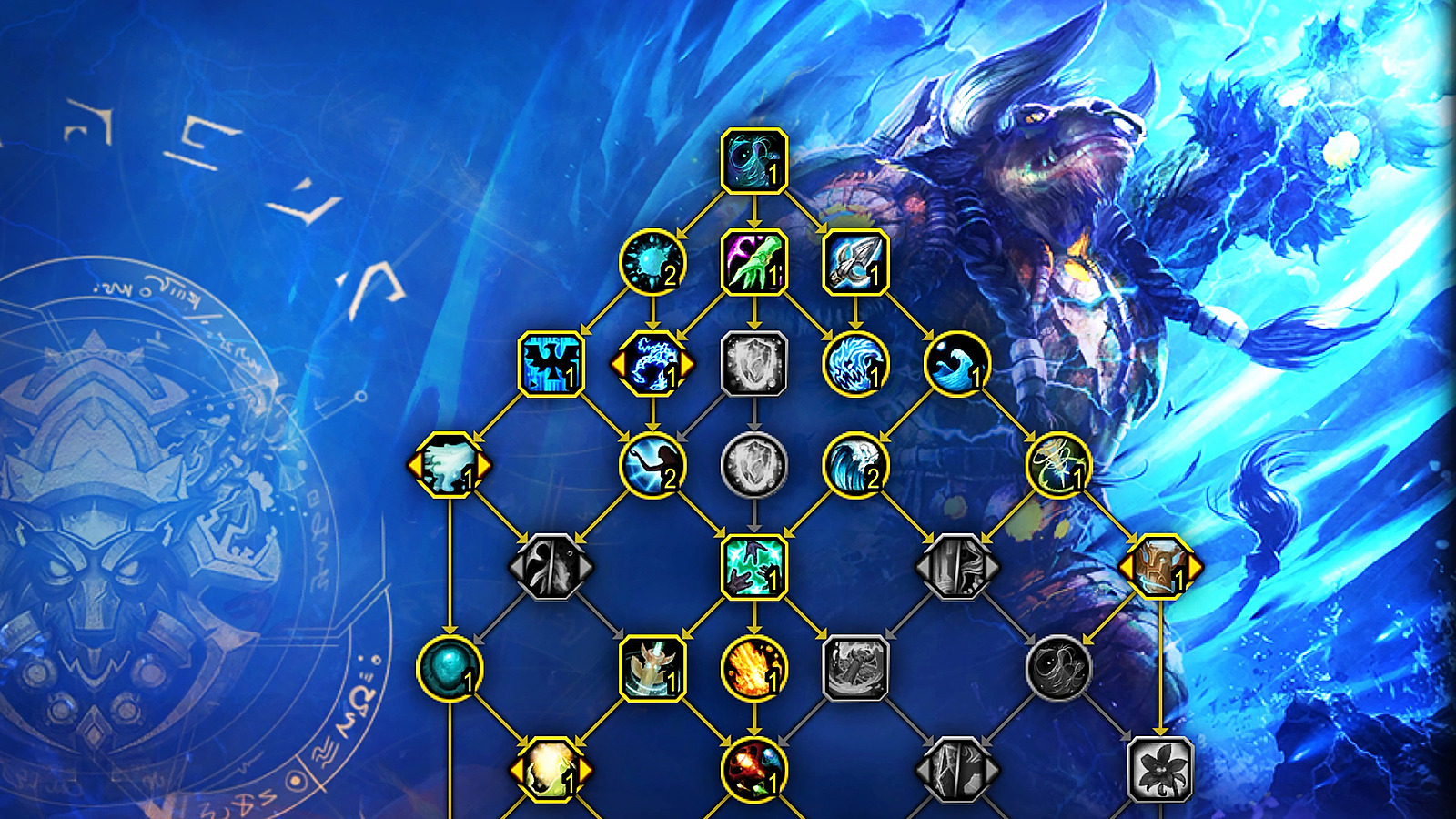
The talent system introduces numerous active abilities, requiring deliberate selection rather than passive spell acquisition during leveling. Visual indicators within the tree clearly distinguish talent types: square nodes represent active abilities, circular nodes indicate passive enhancements, and octagonal nodes present choices between two distinct talents. Talent modifications can be executed dynamically without requiring rest periods or visiting class trainers.
Important consideration: The revamped talent tree framework operates separately from PvP talents. These specialized PvP abilities function exclusively in corresponding content as supplementary enhancements to your core build.
Optimization tip: Always test new talent combinations on training dummies before engaging in challenging content. Advanced players should master the art of creating hybrid builds that balance sustained damage with utility capabilities.
To facilitate optimal talent selection, Dragonflight incorporates a sophisticated loadout system enabling seamless transitions between different talent configurations. Players can maintain up to 10 uniquely named loadouts, providing exceptional flexibility for diverse gameplay scenarios. Talent trees constructed for specific specializations remain visible only within that specialization, which can create storage limitations. If capacity issues arise, switch specializations to access and manage additional loadouts.
Common management mistake: Failing to organize loadouts with descriptive names leads to confusion during rapid content transitions. Establish a consistent naming convention incorporating content type and primary focus (e.g., “Mythic+ AOE” or “Raid Single Target”).
For comprehensive character development strategies beyond talent optimization, consult our Class Guide for detailed specialization insights.
For meticulous character planning, utilizing external talent tree calculators proves invaluable. Numerous online platforms offer these tools, with Wowhead hosting one of the most widely used calculators, though alternatives abound. Icy-veins similarly provides a comprehensive calculator, and developers have created open-source versions available through GitHub.
Advanced strategy: Use calculators to plan multiple talent variations before committing points in-game. Many top players spend 15-30 minutes theorycrafting builds for each new content patch.
For additional gameplay optimization beyond talents, explore our Complete Guide covering all aspects of character performance.
Action Checklist
- Create specialized loadouts for raid, mythic+, and solo content
- Test all talent combinations on training dummies before use
- Utilize external calculators for advanced build planning
- Establish consistent loadout naming conventions
- Research optimal talent paths for your specialization
No reproduction without permission:SeeYouSoon Game Club » WoW Dragonflight Talent system, changes, tree, talent calculator World of Warcraft Master WoW Dragonflight's revamped talent system with expert strategies and optimization tips