
TL;DR
- CS2 introduces line-of-sight requirements for headshot sound feedback
- Smoke grenades and walls can completely block the distinctive ‘dink’ audio cue
- Professional testing reveals inconsistencies with realistic sound propagation
- Valve hasn’t officially confirmed if this is an intended feature or bug
- Players must adapt their audio awareness and confirmation strategies
Games and Esports Articles CS 2
Counter-Strike 2 represents a fundamental shift in audio design that has caught many veteran players off guard. The transition from CS:GO’s consistent audio feedback to CS2’s conditional sound system requires significant adjustment in gameplay perception. Previously, the distinctive headshot ‘dink’ served as immediate confirmation of successful aim placement, regardless of environmental factors or positioning. This auditory cue functioned as a reliable combat feedback mechanism that players could depend on during intense firefights.
Professional esports competitor Joshua “steel” Nissan brought attention to these mechanical changes through systematic in-game testing. His demonstrations reveal how Source 2 engine capabilities enable more sophisticated audio propagation modeling, though the implementation may not align with player expectations of realism.
The core principle governing CS2’s headshot audio involves direct visual contact between shooter and target. When an opponent positions themselves behind cover or within smoke clouds, the sound propagation system treats them as acoustically isolated. This represents either a technical limitation of the new engine or a deliberate design choice to reduce audio clutter in complex combat situations.
Environmental obstructions demonstrate surprising audio blocking capabilities that defy conventional sound physics. A thin wall corner or smoke particle density can completely eliminate the headshot confirmation sound, creating situations where players must rely on visual kill confirmations rather than auditory feedback. Professional analysis by steel showcases how minimal visual barriers create maximum audio interruption.
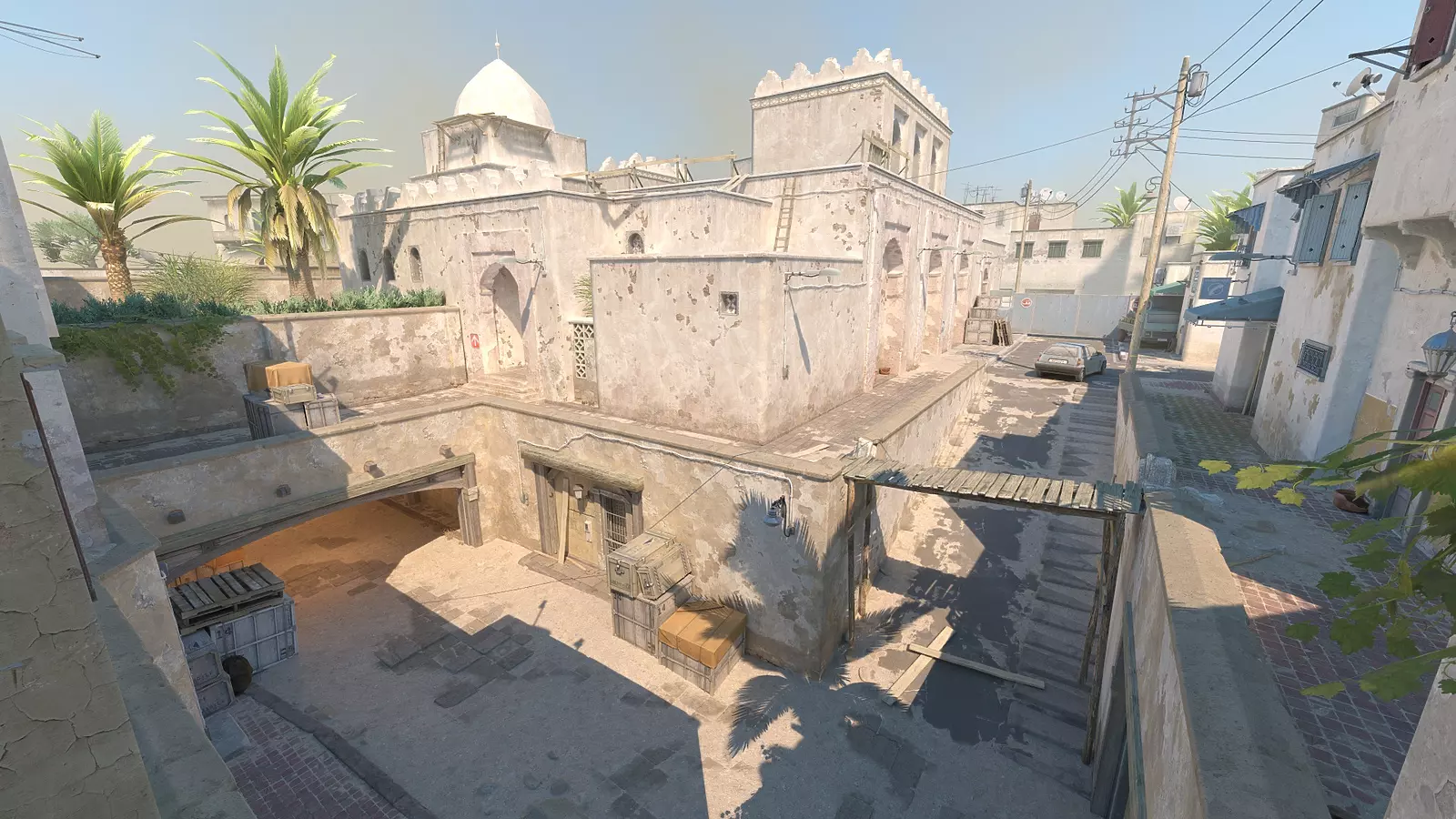
Engaging targets through smoke presents particularly counterintuitive audio behavior. The headshot sound only triggers upon achieving a lethal hit, eliminating the intermediate feedback that experienced players use to adjust their aim. Even when high-explosive grenades create temporary visibility gaps in smoke clouds, the audio system fails to recognize these openings as valid sound transmission paths.
Aleksib on S1mple playing with Nova shotgun: “I just remember B1T saying, «Sasha, just buy AWP now»”
Strategic implications of these audio changes extend beyond simple inconvenience. Players must now develop new confirmation habits, relying more heavily on visual kill feeds and damage indicators. This shift particularly impacts sniper playstyles and long-range engagements where audio cues previously provided critical feedback before visual confirmation was possible.
Common mistakes include assuming silent headshots indicate registration issues rather than intentional audio design. Many players mistakenly reset their aim after what they perceive as failed headshots, when in reality they’ve successfully landed non-lethal head hits that the game intentionally doesn’t audibly confirm. Understanding these mechanics can prevent unnecessary weapon switching and maintain offensive pressure.
Advanced players should integrate these audio limitations into their tactical decision-making. Positioning to maintain line-of-sight during engagements becomes more valuable, while smoke-based strategies require adjusted expectations about audio feedback during execution.
Valve’s communication strategy regarding these audio modifications remains notably absent from official CS2 documentation and patch notes. This silence creates uncertainty about whether players are experiencing intentional design or temporary technical issues. The development team’s historical patterns suggest that undocumented features often receive community feedback before receiving official status or removal.
The possibility exists that current behavior represents an audio engine bug rather than designed functionality. Source 2’s advanced audio capabilities theoretically support more sophisticated sound propagation that could include partial obstruction filtering rather than binary on/off behavior based solely on visibility.
Why CS2 shots and kills have delays and input lag? How CS2 hit registration works, and how to fix it
Community exploration continues to uncover additional audio edge cases and situational dependencies. As player understanding deepens, strategic adaptations will likely emerge that leverage rather than fight against these new audio limitations. For comprehensive understanding of related mechanics, consult our Complete Guide to modern FPS game systems.
Action Checklist
- Verify headshot registration through kill feed rather than audio cues when targets are obscured
- Adjust positioning to maintain direct line-of-sight during engagements for audio confirmation
- Practice visual confirmation techniques to compensate for missing audio feedback
- Monitor official patch notes for changes to sound propagation mechanics
- Experiment with different weapons and ranges to understand audio behavior variations
No reproduction without permission:SeeYouSoon Game Club » Why there are no headshot sounds in CS2 sometimes? How sound works in Counter-Strike 2 Understanding CS2's new headshot sound mechanics and line-of-sight audio system explained