
Master the FPL Triple Captain chip with strategic timing, risk management, and advanced optimization techniques
Understanding Triple Captain Mechanics
The Triple Captain chip represents one of Fantasy Premier League’s most powerful strategic tools, capable of dramatically shifting your season trajectory when deployed correctly. Unlike regular captaincy that doubles points, this premium chip triples your selected player’s total score for that gameweek.
Consider this scenario: you activate Triple Captain on Mohamed Salah during Gameweek 14. If he delivers a 9-point performance through goals, assists, and bonus points, his standard captain return would be 18 points. With Triple Captain activated, that same performance skyrockets to 27 points – providing a massive nine-point advantage over standard captaincy. This differential can prove decisive in head-to-head matchups and overall rankings.
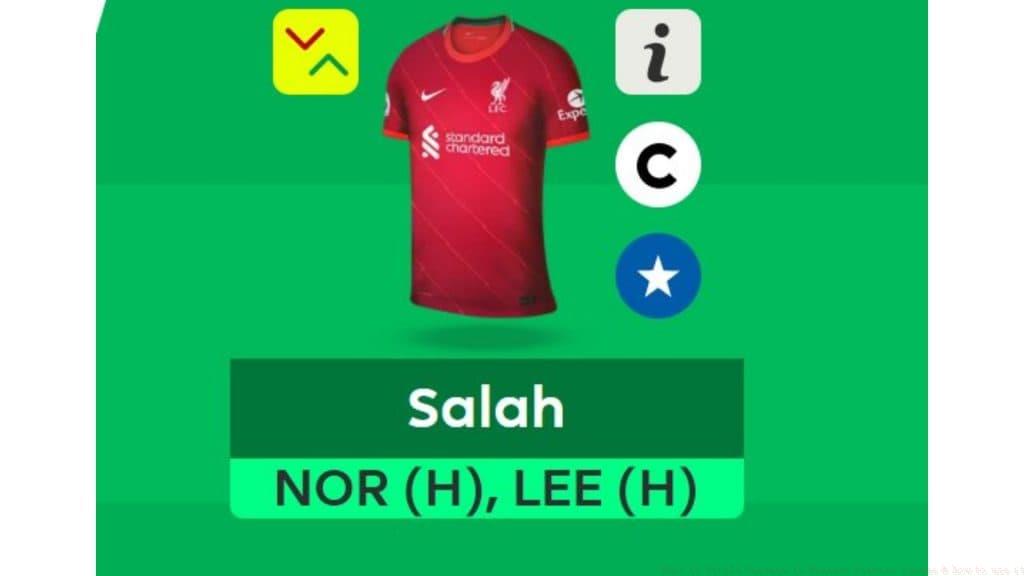
The strategic weight of this decision cannot be overstated. Successful Triple Captain deployment requires balancing multiple factors including fixture analysis, player form assessment, and understanding team rotation risks. Many managers underestimate how significantly one well-timed Triple Captain can impact their final season position, potentially moving them hundreds of places up the global rankings.
Usage Limitations and Timing
Fantasy Premier League allocates each manager precisely one Triple Captain chip per season, making timing absolutely critical. This single-use constraint means you cannot experiment with multiple deployments – the decision becomes season-defining. The chip remains available from Gameweek 1 through Gameweek 38, but strategic deployment typically occurs during specific high-potential periods.
Advanced managers plan their chip usage months in advance, coordinating Triple Captain deployment with other strategic chips like Bench Boost and Free Hit. This holistic approach ensures you’re not wasting premium assets on suboptimal gameweeks. Many top-ranked managers recommend mapping out your entire season’s chip strategy during preseason, then adjusting as fixture changes and double gameweeks are announced.
A common misconception involves saving the chip too long. While patience is virtuous, holding Triple Captain until the final gameweeks often backfires due to player rotation, unexpected injuries, or teams with nothing to play for. The optimal window typically falls between Gameweeks 25-35 when fixture congestion creates double gameweeks and teams maintain competitive intensity.
Optimal Timing Strategies
Double Gameweeks (DGWs) represent the holy grail for Triple Captain deployment. When a team plays twice in one gameweek, your captain gets six potential match opportunities instead of the usual three. Historical data shows DGW Triple Captain deployments yield an average of 15-20 additional points over standard captaincy in those gameweeks.
Consider Manchester City’s dominant 2022/23 season where Erling Haaland delivered multiple hat-tricks. A Triple Captain deployment during a City double gameweek could have netted managers 75+ points from a single player. However, DGW strategy requires careful analysis – not all double gameweeks are created equal. Assess both fixture difficulty and the team’s motivation level before committing.
When ideal double gameweeks don’t materialize, single fixture opportunities can still justify Triple Captain usage. Target premium assets facing defensively vulnerable teams at home, especially when the player demonstrates consistent returns over recent gameweeks. Key indicators include high expected goals (xG), penalty duties, and set-piece responsibility.
Advanced managers also monitor team news meticulously. A last-minute injury to your Triple Captain pick – like Haaland being sidelined five minutes into a match – can completely nullify your strategic advantage. Always have contingency plans and monitor pre-match press conferences for rotation risks.
Advanced Tactical Considerations
Beyond basic timing, several advanced factors separate successful Triple Captain deployments from wasted opportunities. First, evaluate team motivation – clubs fighting for titles, European qualification, or avoiding relegation typically show greater intensity than mid-table teams with nothing to play for.
Weather conditions and scheduling density also impact player performance. Midweek fixtures followed by weekend matches often lead to rotation, particularly for top clubs competing in European competitions. Analyze a team’s fixture congestion in the days surrounding your target gameweek.
Common Triple Captain mistakes include chasing last week’s points, ignoring unfavorable fixtures due to player reputation, and deploying the chip during blank gameweeks (where teams don’t play). Additionally, avoid using Triple Captain on differential picks simply because they’re different – stick with proven performers in favorable situations.
For managers seeking alternative strategies, consider saving Triple Captain for a premium defender during a double gameweek with favorable clean sheet opportunities. While riskier than attacking options, this approach can yield surprising returns when top defenders face weak opposition twice in one gameweek.
Mastering the Triple Captain chip requires strategic foresight and disciplined execution. For additional FPL optimization strategies, explore our comprehensive guides covering team selection, player analysis, and in-game management techniques.
No reproduction without permission:SeeYouSoon Game Club » What is Triple Captain in Fantasy Premier League & how to use it Master the FPL Triple Captain chip with strategic timing, risk management, and advanced optimization techniques