
TL;DR
- Season 1 launched January 10 with Fantastic Four members and two new maps
- Midseason update arrives February 21 adding Human Torch, The Thing, and Central Park
- Season 1 spans three months ending April 11 with double the content of regular seasons
- Strategic team compositions will shift dramatically with new character additions
- Future seasons likely follow two-hero, one-to-two map release pattern
Marvel Rivals Season 1 represents a significant content expansion that kicked off on January 10, introducing foundational elements that reshape the competitive landscape. The initial deployment brought two pivotal members of the Fantastic Four into the roster: Invisible Woman and Mister Fantastic, each bringing unique support and area control capabilities that demand strategic adaptation.
The environmental diversity expanded considerably with two strategically distinct battlegrounds: Sanctum Sanctorum offers tight interior corridors perfect for ambush tactics, while Midtown provides expansive urban combat zones favoring long-range specialists. The new Doom Match mode introduces dynamic objective-based gameplay that rewards coordinated team execution over individual heroics.
Season 1’s battle pass delivers extensive cosmetic customization options, including legendary skins, emotes, and weapon variants that allow players to personalize their favorite heroes while progressing through the reward tiers. The economic structure follows industry standards with both free and premium tracks, though strategic players should prioritize completing daily and weekly missions for optimal progression efficiency.
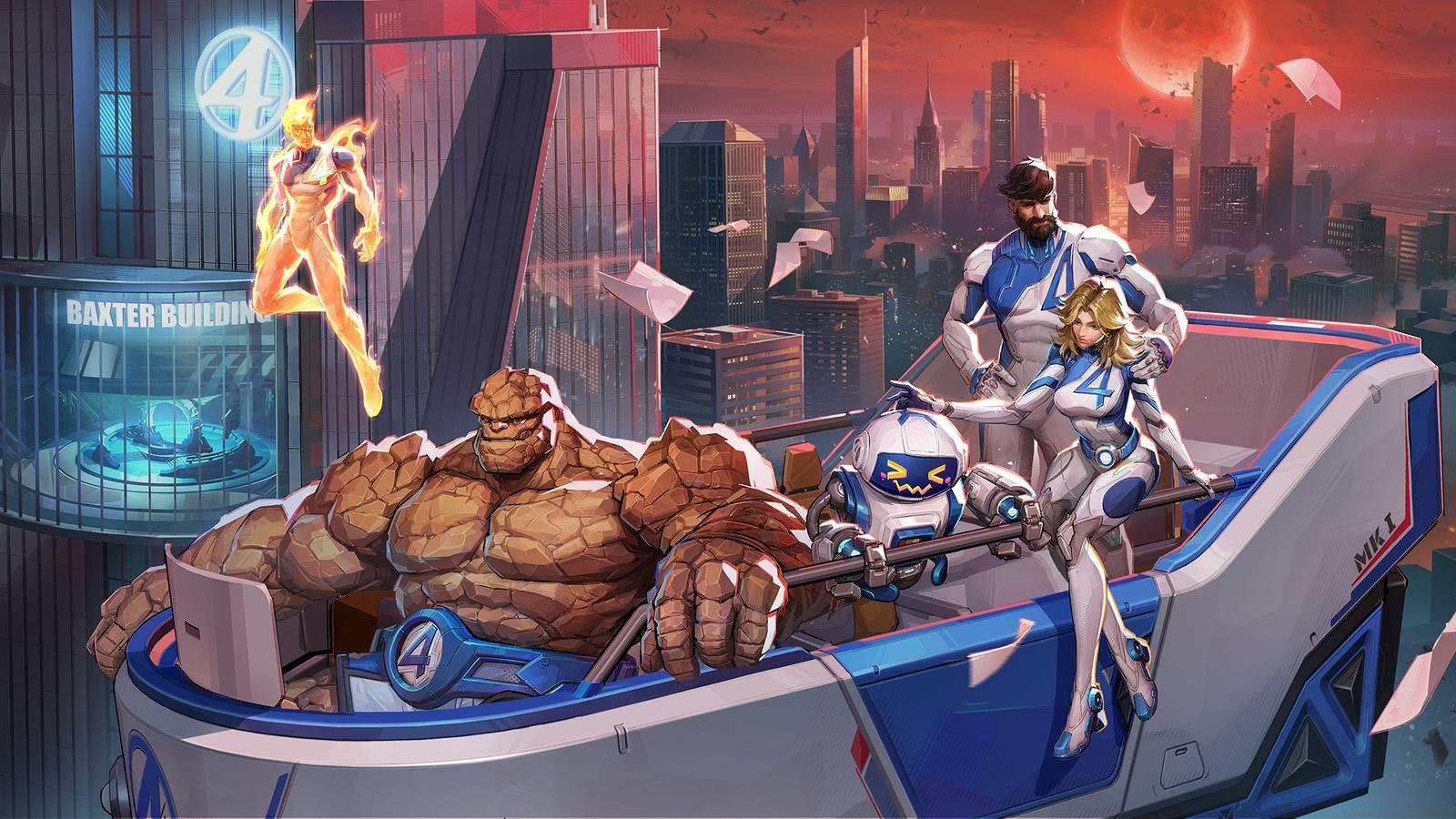
The midseason refresh officially designated as Season 1.5 commences on Friday, February 21, completing the Fantastic Four roster with the explosive addition of Human Torch and the durable powerhouse The Thing. This strategic completion enables full Fantastic Four team compositions, creating unprecedented synergy opportunities that will likely dominate the meta.
Central Park enters the map rotation as a hybrid environment blending open spaces with dense foliage, creating dynamic sightlines that favor mobile heroes and disrupt static defensive positions. The verticality and environmental cover variations in this new battleground will require teams to adapt their positioning strategies significantly.
Midseason updates typically introduce balance adjustments alongside new content, meaning players should anticipate tweaks to existing heroes and potentially new seasonal challenges. Historical patterns suggest the developers use these updates to address community feedback and refine the competitive experience based on early-season performance data.
Marvel Rivals employs a distinctly different seasonal structure compared to Season 0, with Season 1 extending approximately three months and concluding on April 11, 2025. This extended duration provides adequate time for players to master new mechanics while allowing the development team to gather sufficient data for balancing decisions.
The confirmed timeline reveals NetEase Games’ commitment to substantial content drops, with Season 1 containing “double the playable content of a regular season” according to official statements. This establishes an expectation that future standard seasons will typically introduce two new characters alongside one or two new maps every three months.
Strategic planning becomes crucial given the seasonal structure—players should allocate time to master new heroes early in the season to maximize competitive advantage. The extended duration also means battle pass completion requires consistent rather than intensive play, with approximately 90 days available to complete all tiers through regular gameplay sessions.
Mastering the new content requires understanding character synergies—Invisible Woman’s defensive barriers combine exceptionally well with Mister Fantastic’s area denial, creating zones of control that can dictate engagement terms. When Human Torch and The Thing arrive, expect aggressive dive compositions that can overwhelm traditional defensive setups.
Avoid these common mistakes: Don’t underestimate Doom Match’s objective focus in favor of eliminations, as match victory ultimately depends on objective control. Many players make the error of treating new maps like existing ones—take time to learn Sanctum Sanctorum’s interior sightlines and Midtown’s vertical engagement opportunities.
Advanced optimization involves pre-planning your hero pool based on anticipated meta shifts. The Fantastic Four completion will likely elevate brawl-heavy compositions, making area denial and crowd control abilities increasingly valuable. Consider mastering at least one hero from each role to maintain flexibility as the meta evolves throughout the season.
For comprehensive gameplay fundamentals, our Complete Guide covers core mechanics that translate well to Marvel Rivals’ objective-based gameplay. Those looking to maximize hero effectiveness should consult our Class Guide for role specialization strategies, while competitive players will benefit from the advanced techniques in our Weapons Unlock guide for understanding damage optimization.
Action Checklist
- Master Invisible Woman and Mister Fantastic abilities before Season 1.5
- Learn Sanctum Sanctorum and Midtown map layouts and choke points
- Complete weekly battle pass challenges for optimal progression
- Prepare team compositions for Human Torch and The Thing integration
- Adapt strategies for Central Park’s hybrid combat environment
No reproduction without permission:SeeYouSoon Game Club » What is the Marvel Rivals roadmap? Complete Marvel Rivals Season 1 roadmap breakdown with strategic insights and future content predictions