
TL;DR
- Marvel Rivals Season 2 features 11 maps across 3 main competitive modes with strategic depth
- Convoy, Domination, and Convergence each require unique team coordination and hero selection
- Arcade modes provide casual alternatives using the same hero roster in different gameplay formats
- Map knowledge provides critical tactical advantages through environmental awareness and positioning
- Regular seasonal updates continue expanding content with new characters, maps, and gameplay variants
Understanding the distinct objective types in Marvel Rivals Season 2 provides the foundation for strategic success across all competitive matches.
Set within the expansive Marvel multiverse, this team-based shooter challenges players to master diverse battlefields where tactical awareness and hero synergy determine victory.
Season 2 introduces Emma Frost from the X-Men universe alongside the existing roster, expanding strategic possibilities across 11 meticulously designed maps that draw inspiration from iconic Marvel Comics locations. Players experience three primary competitive modes distributed strategically throughout these environments.
Additionally, two distinct arcade variants offer alternative gameplay experiences while utilizing the same hero selection, perfect for practice or casual sessions. NetEase Games continues supporting Marvel Rivals through seasonal content drops that regularly introduce fresh maps, modes, and characters.
This comprehensive guide examines every Marvel Rivals Season 2 map alongside detailed breakdowns of the game modes available on each battlefield.
Core Competitive Modes
Marvel Rivals structures its primary gameplay around three foundational modes—Convoy, Domination, and Convergence—each available in both quick match and ranked formats. Understanding their unique mechanics is essential for climbing the competitive ladder.
- In Convoy mode, teams receive random offensive or defensive assignments at match start. Offensive squads must escort a moving payload through the map by maintaining proximity, while defenders attempt to halt progress through strategic eliminations. Victory requires the attacking team to complete the escort within the designated time limit, demanding careful coordination and area control tactics.
- Domination mode focuses on capturing and holding strategic control points across compact battlefields. Both teams simultaneously assault a single objective, with the capturing team needing to maintain control until progress reaches 100%. After each capture, the battle transitions to a new small-scale map, repeating the process until one team secures two control points. This mode emphasizes rapid repositioning and point control strategies.
- In Convergence gameplay, teams randomly begin as attackers or defenders across sequential objective points. The offensive team must capture initial checkpoints by occupying the designated area, while defenders establish early positioning to eliminate approaching threats. Successful checkpoint captures unlock subsequent objectives along the map progression, with victory requiring three captured points within the time constraint. This mode tests sustained offensive pressure and defensive coordination.
Arcade Game Variants
Beyond the competitive modes, Marvel Rivals offers two arcade-style alternatives that utilize the complete hero roster in less intense environments. These variants provide excellent practice opportunities while allowing players to experiment with different hero combinations without ranked pressure.
Mastering Marvel Rivals requires thorough understanding of each battlefield’s unique layout, environmental features, and strategic opportunities.
.jpg)
Season 2’s diverse locations range from alien landscapes to futuristic cities, each offering distinct tactical considerations for different game modes and hero compositions.
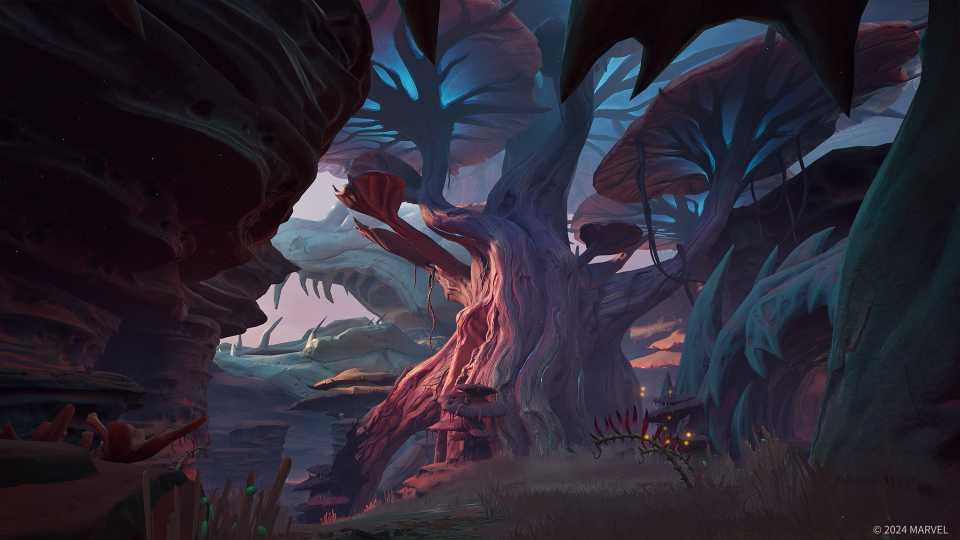
Klyntar: This symbiote homeworld features organic, twisting terrain with multiple elevation changes and narrow passages. Ideal for ambush specialists and heroes with vertical mobility, Klyntar’s chaotic layout disrupts traditional sightlines while creating opportunities for flanking maneuvers.
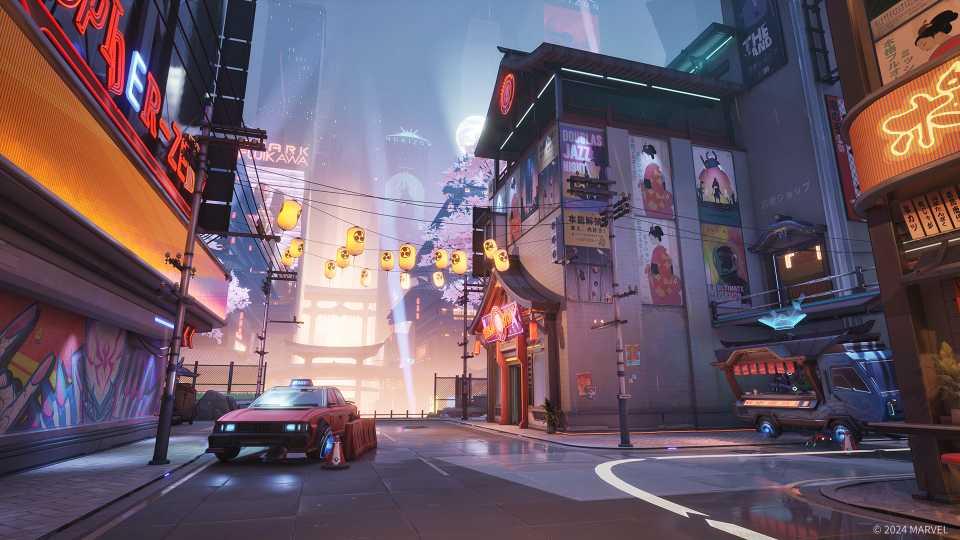
Tokyo 2099: A vertical metropolis with dense urban combat zones and elevated transit systems. The map’s multi-level design favors heroes with aerial capabilities while providing numerous cover options for strategic positioning during payload escort missions.
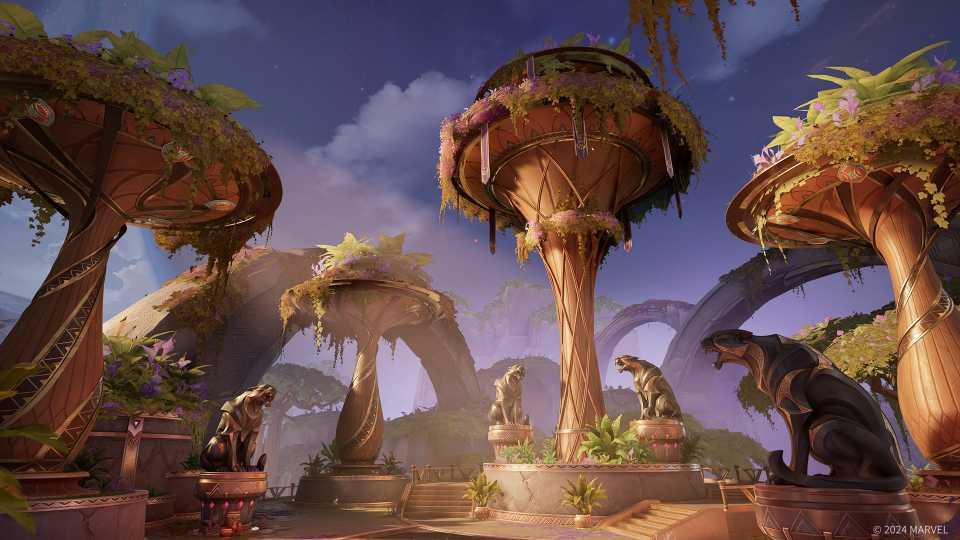
Intergalactic Empire of Wakanda: This advanced Wakandan outpost combines traditional African architecture with futuristic technology. The map features symmetrical design elements that create balanced engagement zones, making it particularly suited for competitive Domination matches.
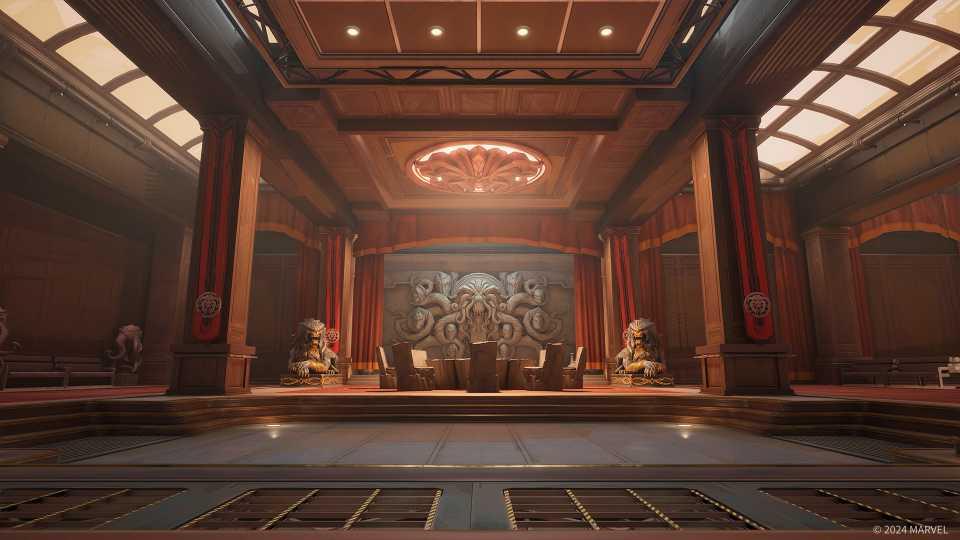
Hydra Charteris Base: An underground facility with tight corridors and limited sightlines. This confined environment benefits area-control heroes and those with close-quarters combat specialties, though it presents challenges for long-range specialists.
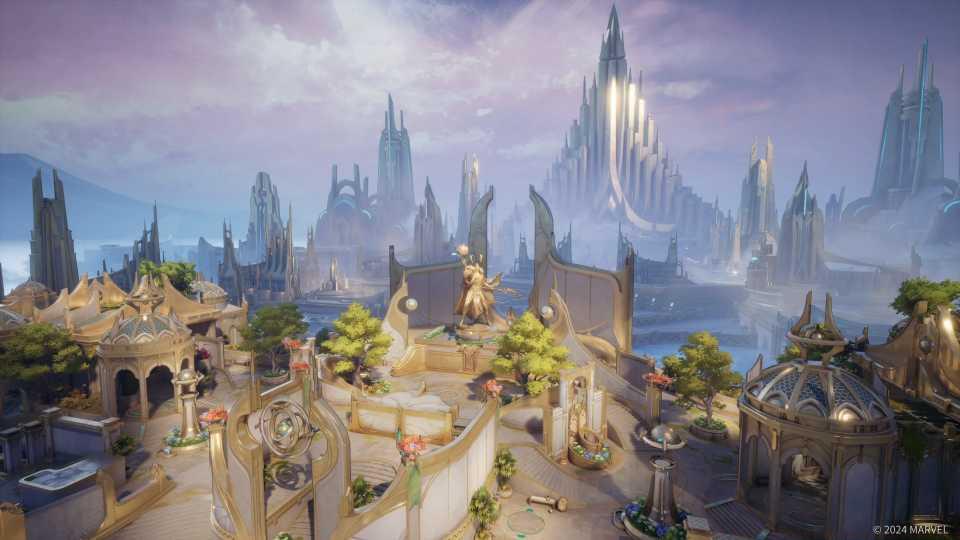
Yggsgard: Inspired by Asgardian mythology, this map features grand open spaces interrupted by architectural barriers and elevated platforms. The environment supports diverse playstyles but requires careful positioning to avoid exposure in large sightlines.
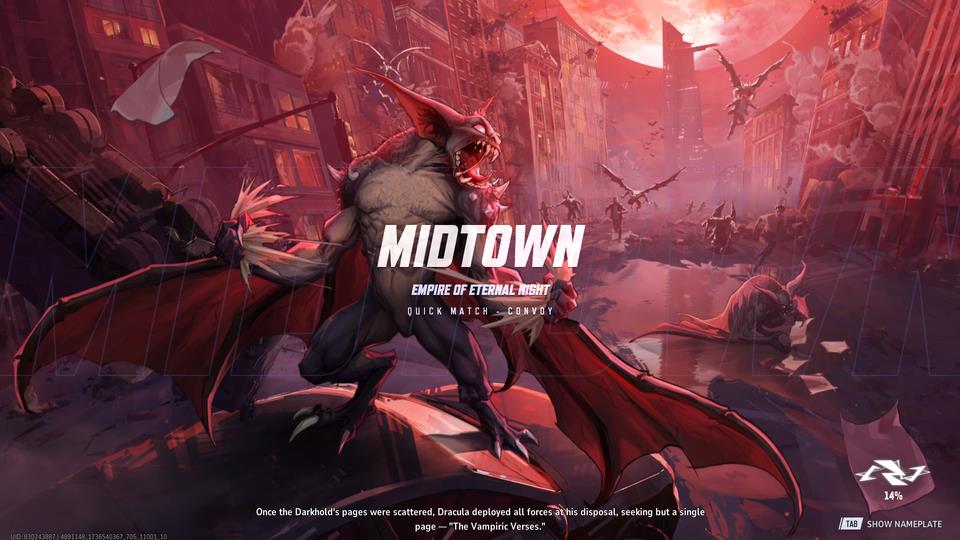
Empire of Eternal Night: A dark, moody environment with limited visibility and numerous ambush points. This map rewards teams that coordinate vision control and utilize heroes with detection abilities to counter stealth approaches.
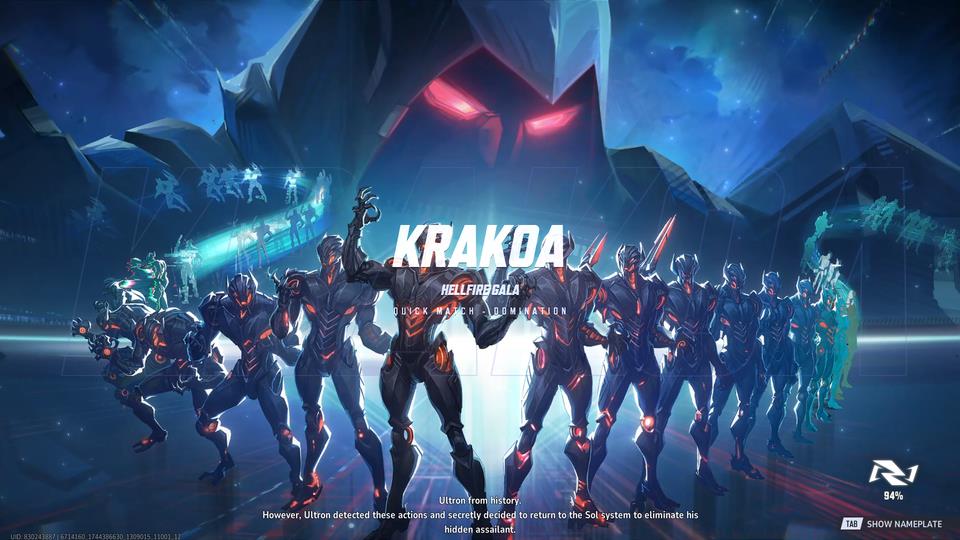
Hellfire Gala – Krakoa: The newest addition with Season 2, this mutant homeland features organic structures and vibrant flora that create dynamic combat zones. The map’s irregular sightlines and multiple approach routes demand adaptable strategies and hero flexibility.
Each map presents unique strategic considerations that influence optimal hero selection and team composition. Understanding environmental advantages can dramatically improve match performance across all game modes.
Marvel Rivals implements seasonal map rotations to maintain competitive freshness and balance, with Season 2 introducing several adjustments to the ranked play map pool.
Understanding which maps have been temporarily retired from competitive rotation helps players focus their practice on currently available battlefields while anticipating future rotations.
Retired Ranked Maps
Season 2’s ranked rotation sees several maps temporarily removed from competitive play to address balance concerns and refresh the gameplay experience. These retired maps remain available in quick play and custom games, allowing players to maintain familiarity for when they potentially return in future seasons.
The development team at NetEase Games carefully monitors map performance data and community feedback to determine rotation changes, ensuring the ranked experience remains balanced and engaging. This approach mirrors successful competitive games that regularly update their map pools to maintain strategic diversity.
Rotation Strategy Insights
Map rotations serve multiple purposes in competitive gaming ecosystems: they prevent staleness, address balance issues, and allow developers to reintroduce revised versions of retired maps after adjustments. Players should view these rotations as opportunities to deepen their mastery of available maps rather than limitations.
Strategic adaptation to map rotations demonstrates advanced gameplay understanding. Top competitors quickly identify the strengths and weaknesses of each new map pool, adjusting their hero preferences and team strategies accordingly. This flexibility becomes particularly important during the initial weeks of each new season when the meta is still developing.
Future Content Expectations
Based on NetEase Games’ seasonal content model, players can anticipate regular map introductions and rotations throughout Marvel Rivals’ development cycle. The addition of Emma Frost in Season 2 suggests future seasons will continue expanding both the hero roster and battlefield selection.
Staying informed about upcoming content through official channels allows competitive players to prepare for meta shifts in advance. Following developer updates and patch notes provides crucial insights into planned changes that could impact ranked strategy and map preferences.
Action Checklist
- Practice each game mode in quick play to understand core mechanics
- Learn two hero specialties for each map type (open, closed, vertical)
- Study current ranked map rotations and develop targeted strategies
- Master environmental advantages on 3 primary competitive maps
- Adapt team composition based on map and mode combinations
No reproduction without permission:SeeYouSoon Game Club » All Marvel Rivals maps and modes in season 2 Complete guide to Marvel Rivals Season 2 maps, modes, and strategic gameplay optimization tips