
Master Wuchang’s death mechanics with strategic insights on madness management and inner demon encounters
The Progressive Death System
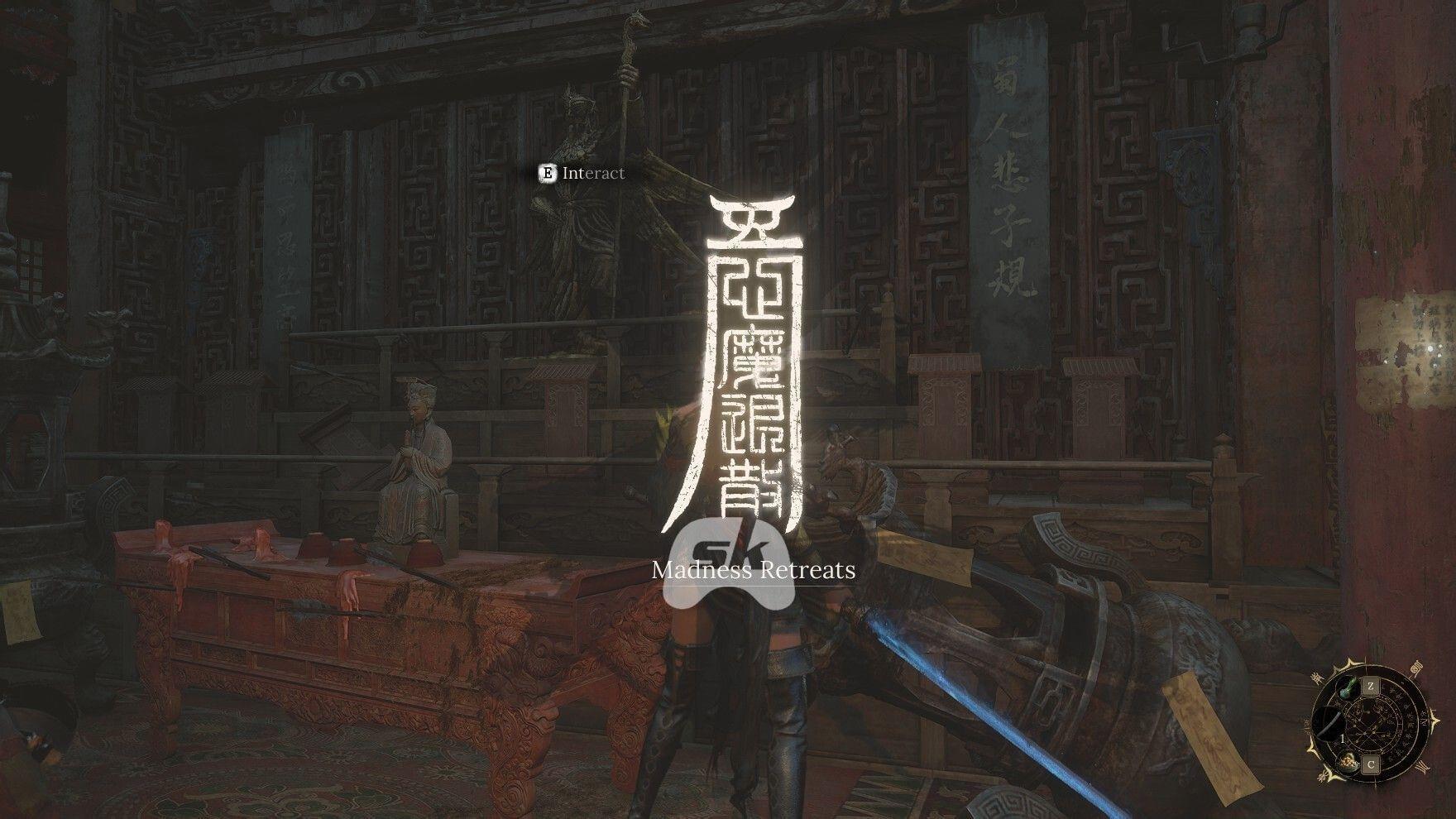
When your character falls in Wuchang: Fallen Feathers, the game implements a sophisticated penalty system that directly correlates to your current mental state. Rather than applying uniform punishment, the consequences escalate based on your accumulated Madness percentage, creating dynamic risk-reward scenarios throughout your journey.
At lower madness levels (below 50%), the repercussions remain relatively manageable. You’ll sacrifice a portion of your Red Mercury – the game’s primary currency – but retain the opportunity to reclaim most of it by returning to your death location. This mechanic encourages cautious exploration while providing forgiveness for occasional mistakes.
Strategic Insight: Red Mercury functions as both currency and experience resource, making preservation crucial for character progression.
As your madness intensifies between 50-90%, the economic impact becomes significantly more severe. The percentage of lost Red Mercury increases substantially, though the reclamation mechanic remains available. This intermediate stage serves as a critical warning system, signaling the need for immediate madness management before reaching catastrophic levels.
Confronting Your Inner Demon
The true consequence threshold activates once your Madness surpasses 90%. At this critical juncture, death results in complete Red Mercury forfeiture and summons your most formidable adversary – your Inner Demon. This entity represents the culmination of your accumulated psychological turmoil given physical form.
Common Pitfall: Many players underestimate the demon’s tracking capabilities, leading to repeated confrontations in unfavorable locations.
Your spectral duplicate possesses your complete combat repertoire, mirroring your movement patterns and attack sequences with deadly precision. However, this formidable opponent has specific vulnerabilities that experienced players can exploit. All elemental damage types – including burn, shock, and poison – prove exceptionally effective against the entity. If you’ve accumulated elemental buildup through previous encounters, this represents the ideal opportunity for deployment.
The demon exhibits particular susceptibility to backstab maneuvers, especially during recovery phases following its attack combinations. Patient observation of its pattern recognition allows strategic positioning for devastating rear assaults. Ranged spellcasting provides additional tactical advantages, enabling damage accumulation while maintaining safe distance. This confrontation, while challenging, follows predictable mechanics that skilled players can master through pattern recognition and tactical execution.
Advanced Madness Management
Regardless of the confrontation outcome – whether you emerge victorious or fall to your demonic counterpart – the encounter resets your Madness meter to zero. For players seeking to avoid this high-stakes scenario entirely, proactive madness reduction through the Shu Sanctuary provides a reliable alternative. This sanctuary-based cleansing requires specific consumables typically obtained from boss encounters, creating strategic resource allocation decisions throughout your progression.
Fragment of the Divine Gift offers additional madness mitigation, functioning as a portable cleansing option when sanctuary access proves inconvenient. These items typically spawn in predictable locations or become available through specific quest completions, allowing prepared players to maintain madness below critical thresholds through careful inventory management.
Advanced Technique: Seasoned players intentionally approach 90% madness when properly equipped, using controlled demon summons for resource farming and combat practice.
Pro Player Strategies
Mastering death mechanics requires understanding the economic implications of each madness threshold. Expert players implement calculated death strategies, sometimes intentionally dying at specific madness levels to optimize resource reclamation while avoiding demon summons. This advanced technique demands precise madness tracking and situational awareness.
Combat preparation becomes increasingly important as madness accumulates. Maintaining elemental buffs, preserving backstab opportunities, and managing spell cooldowns can mean the difference between successful demon confrontation and catastrophic resource loss. The most successful players treat madness management as an integral combat component rather than secondary mechanic.
Optimization Tip: Always carry at least one Fragment of Divine Gift when exploring new areas to prevent unexpected demon summons during difficult encounters.
This comprehensive understanding of death consequences transforms what initially appears as punishment into a manageable game mechanic that skilled players can manipulate to their advantage throughout their Wuchang: Fallen Feathers journey.
No reproduction without permission:SeeYouSoon Game Club » What happens when you die in Wuchang: Fallen Feathers? Master Wuchang's death mechanics with strategic insights on madness management and inner demon encounters