
Master FPL Blank and Double Gameweeks with strategic insights, common pitfalls, and actionable optimization tips
Understanding FPL Gameweek Dynamics
Fantasy Premier League transforms from simple squad management to strategic mastery when you grasp the critical impact of Blank Gameweeks and Double Gameweeks. These fixture anomalies can dramatically alter your season trajectory and separate casual players from serious contenders.
While FPL appears as a straightforward football management simulation initially, its strategic depth becomes apparent through fixture monitoring, injury tracking, price fluctuation anticipation, and most importantly—gameweek planning. Blank and Double Gameweeks represent pivotal moments that can significantly influence your squad’s performance and overall points accumulation throughout the season.
Seasoned managers recognize that success often hinges on anticipating these fixture quirks 4-6 weeks in advance. The most successful FPL players don’t just react to gameweeks—they proactively build their squads around anticipated fixture changes, ensuring they’re positioned to capitalize on doubles and minimize damage from blanks.
Blank Gameweeks: Prevention and Management
Identifying Blank Gameweeks requires vigilance in your FPL team management interface. When a player has no scheduled fixture, their slot will display a distinctive blank space or dash instead of opponent information, signaling their zero-point potential for that gameweek.
You’ll be able to identify if a player is affected by a Blank Gameweek through clear visual cues in your team management screen. Beneath the player’s name and information, instead of displaying a scheduled fixture, the interface will show a distinct blank space or horizontal line indicating the absence of a game.
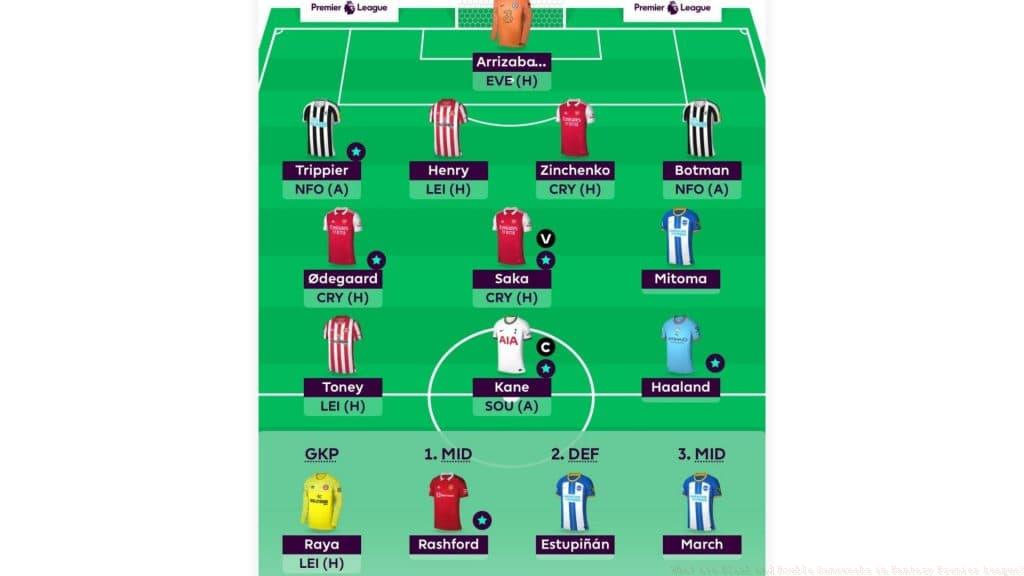
Consider this scenario: if Erling Haaland occupies a starting spot in your active lineup during a gameweek where Manchester City has no scheduled match, the Norwegian striker will automatically register zero points for that period. This underscores the importance of monitoring your premium assets’ fixture schedules.
Fixture cancellations stem from various circumstances including weather-related postponements, stadium issues, cup competition clashes, or international tournament conflicts—such as teams participating in the Club World Cup or deep domestic cup runs affecting league scheduling.
When your bench contains eligible players in corresponding positions, they will automatically substitute for blank-gameweek starters—provided they actually feature in their matches. However, significant problems arise when multiple assets from two or three affected clubs dominate your starting eleven, potentially leaving four, five, six or more players inactive simultaneously.
Strategic solutions for blank gameweek crises include deploying your Wildcard chip for comprehensive squad restructuring, activating your Free Hit chip for a one-week optimized lineup, or accepting point deductions through additional transfers beyond your free allocation. Advanced managers often plan transfers weeks in advance, gradually shifting away from players with anticipated blanks while monitoring fixture announcements.
Common Blank Gameweek Mistakes to Avoid: Don’t wait until the last minute to address blank players—begin planning 3-4 gameweeks in advance. Avoid overloading on players from teams with potential European or cup commitments. Never take multiple point hits for blank gameweeks when a Free Hit chip could provide cleaner solutions.
Double Gameweeks: Maximization Techniques
Double Gameweeks present golden opportunities for point accumulation, identifiable through distinct interface indicators. When players have two fixtures scheduled, their slots display abbreviated opponent names for both matches, signaling double-point potential.
FPL participants can easily recognize Double Gameweek candidates through visual cues in the squad management screen. Below the player’s details, the interface will present two separate abbreviated team names representing the scheduled fixtures within the same gameweek period.
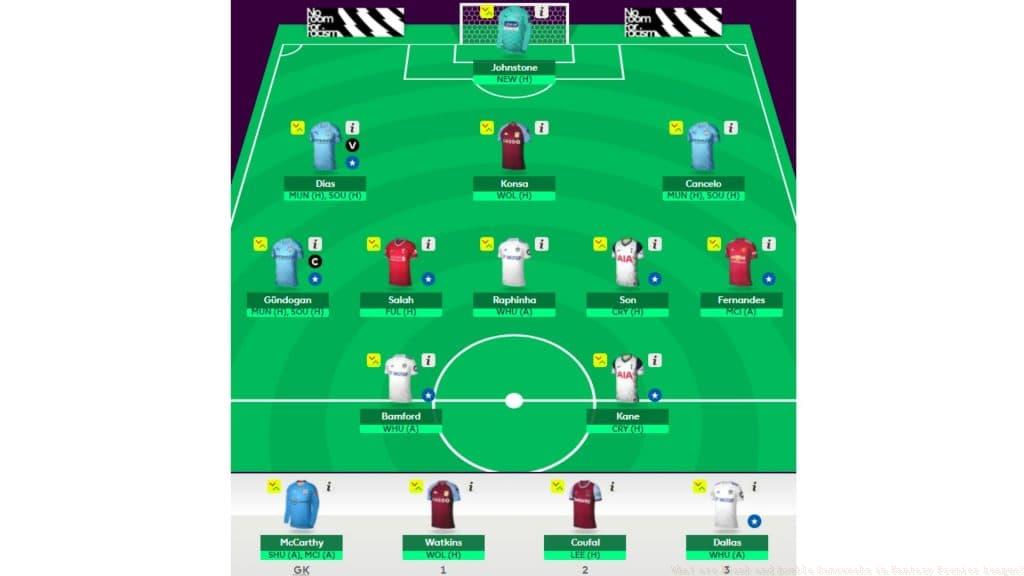
These fixture congestions typically arise from previously postponed matches being rescheduled into already occupied gameweek slots, creating scenarios where teams compete twice within the same fantasy scoring period. This fixture compression serves as catch-up mechanism for games missed earlier in the season due to various postponement reasons.
Proactive managers meticulously analyze future fixture schedules identifying potential Double Gameweek scenarios weeks in advance, strategically utilizing transfer allocations or Wildcards to construct squads heavily featuring players with double-fixture potential. However, sophistication comes in balancing double-gameweek assets with long-term squad structure.
Advanced Double Gameweek Strategy: Target players from teams with favorable fixtures in both games—not just any double-gameweek player. Consider fixture difficulty, rotation risk, and player fitness. The ideal Bench Boost chip deployment often coincides with double gameweeks when your entire squad has multiple fixtures. Avoid transferring in players solely for doubles if they have poor subsequent fixtures—maintain squad balance.
Common DGW Pitfalls: Overloading on double-gameweek players from one team risks rotation and poor fixtures. Ignoring blank gameweeks that follow doubles can create subsequent problems. Chasing last season’s double-gameweek heroes without considering current form and role. Forgetting that double gameweeks mean higher rotation risk for premium players.
We hope this comprehensive guide enhances your understanding of Fantasy Premier League Blank and Double Gameweeks and provides actionable strategies for optimization:
Advanced FPL Gameweek Strategies
Mastering gameweek anomalies requires sophisticated planning beyond basic identification. The most successful FPL managers develop systematic approaches to blank and double gameweeks that maximize points while maintaining squad balance.
Chip Timing Optimization: Free Hit chips work best during complex blank gameweeks affecting multiple top teams. Bench Boost delivers maximum value during double gameweeks with strong bench options. Triple Captain should target premium assets with two favorable home fixtures. Wildcards should be played 2-3 weeks before major double gameweeks to build optimal squads.
Fixture Planning Framework: Map out known blank and double gameweek probabilities 6-8 weeks in advance. Identify teams with European commitments that may cause future blanks. Monitor cup results that could create fixture congestion. Balance your squad to handle both blanks and doubles without excessive hits.
Transfer Strategy for Gameweeks: Begin shifting away from blank-gameweek players 3-4 weeks in advance. Use free transfers to gradually build double-gameweek coverage. Avoid taking point hits for double-gameweek players unless they have long-term value. Consider fixture swings after double gameweeks—don’t sacrifice future points for short-term gains.
Successful FPL management requires anticipating these scheduling quirks and developing proactive strategies. By mastering blank and double gameweek planning, you’ll gain significant advantages over managers who merely react to fixture changes as they occur.
No reproduction without permission:SeeYouSoon Game Club » What are Blank and Double Gameweeks in Fantasy Premier League? Master FPL Blank and Double Gameweeks with strategic insights, common pitfalls, and actionable optimization tips