
Understanding Western teams’ historic 2021 Worlds failure and strategies for future international success
A Historic Low: Western Teams’ 2021 Worlds Performance
The League of Legends 2021 World Championship quarterfinals concluded with Western teams achieving an unprecedented milestone—zero victories throughout the entire knockout stage.
Representing North America’s LCS and Europe’s LEC, Western organizations like Cloud9 and MAD Lions entered the tournament with high expectations. Both regions managed to advance from the group stage, yet their collective performance reached an all-time low when measured by knockout stage results. Escaping groups demonstrates competitive competence, but failing to secure even a single game victory in best-of series elimination matches represents a critical failure point that Western teams had previously avoided.
Common Strategic Pitfall: Western teams often prioritize comfort picks over meta-optimal compositions, a tendency that becomes particularly exploitable in high-pressure elimination matches against prepared Eastern opponents.
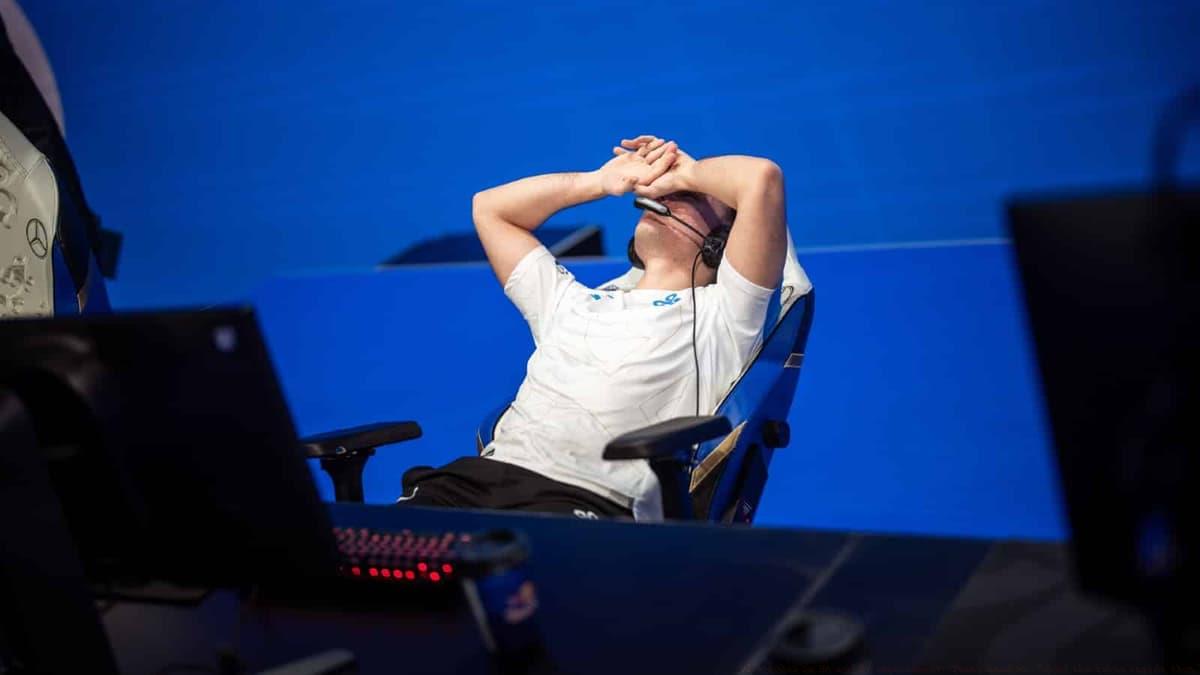 Riot Games
Cloud9’s elimination by Gen.G highlighted the gap in strategic preparation between regions.
Since the inaugural LoL World Championship in 2011, Western representatives consistently managed to claim at least one elimination stage victory annually. This consistency created expectations of baseline competitive performance that the 2021 tournament dramatically shattered.
Breaking Down the 2021 Elimination Stage Failures
The 2021 tournament saw MAD Lions and Cloud9 carry Western hopes as the only teams progressing from groups. MAD Lions faced defending champions DAMWON Gaming (now DWG KIA) and suffered a decisive 3-0 defeat. Simultaneously, Cloud9 encountered Gen.G and experienced an identical 3-0 series loss. These twin outcomes produced the first complete Western shutout in knockout stage history.
First time in World's history that EU & NA combined have won 0 total knockout stage games.#Worlds2021
— Isaac CB (@AzaelOfficial) October 25, 2021
Examining Worlds’ eleven-year timeline reveals this marked only the third instance where neither EU nor NA secured semifinal representation, previously occurring in 2014 and 2017. Crucially, during those earlier tournaments, Western teams still managed to claim individual game victories against Eastern opponents. The complete absence of victories in 2021 signals a concerning competitive regression.
Practical Analysis: Western teams’ draft phases consistently revealed predictable patterns that Eastern analysts exploited. Developing more flexible champion pools and practicing multiple compositional strategies before international events could mitigate this vulnerability.
Historical Context and Western Competitive Trajectory
Western regions secured their sole World Championship victory during Season 1 (2011), before Korean and Chinese organizations entered the competitive ecosystem. Since Eastern regions joined the tournament, they’ve dominated the championship landscape, though Western teams periodically demonstrated respectable performances.
Europe’s competitive resurgence between 2018-2019, with back-to-back finals appearances, suggested Western teams could bridge the gap through innovative playstyles and regional talent development. The 2021 results, however, indicate either stagnation in Western development or accelerated advancement in Eastern training methodologies.
Optimization Strategy: Western organizations should consider establishing boot camps in Eastern regions during regular season breaks. Immersion in Korean and Chinese solo queue environments and scrimmage cultures provides invaluable exposure to different playstyles and meta interpretations.
Path Forward: Strategies for 2022 and Beyond
With the 2022 World Championship scheduled for North American venues, Western teams face both increased pressure and unique opportunity. Home region advantage could provide psychological benefits, but substantive improvements require systematic changes.
Key Improvement Areas:
1. Analytical Depth: Invest in larger analytical teams with specialized focus on Eastern region VOD review and meta prediction
2. Talent Pipeline Development: Create structured programs identifying and nurturing mechanical talents earlier in their careers
3. International Scrimmage Networks: Establish consistent practice partnerships with Eastern teams throughout the season, not just before tournaments
The 2021 performance should serve as a catalyst for structural reform rather than merely a disappointing result. Western organizations possess the resources to compete internationally but must optimize their application of those resources against evolving Eastern methodologies.
No reproduction without permission:SeeYouSoon Game Club » Western teams record worst Worlds performance after quarterfinals shutout Understanding Western teams' historic 2021 Worlds failure and strategies for future international success