
Master Broken Arrow unit stats to build effective battlegroups and dominate the battlefield strategically
Introduction: Why Stats Matter in Broken Arrow
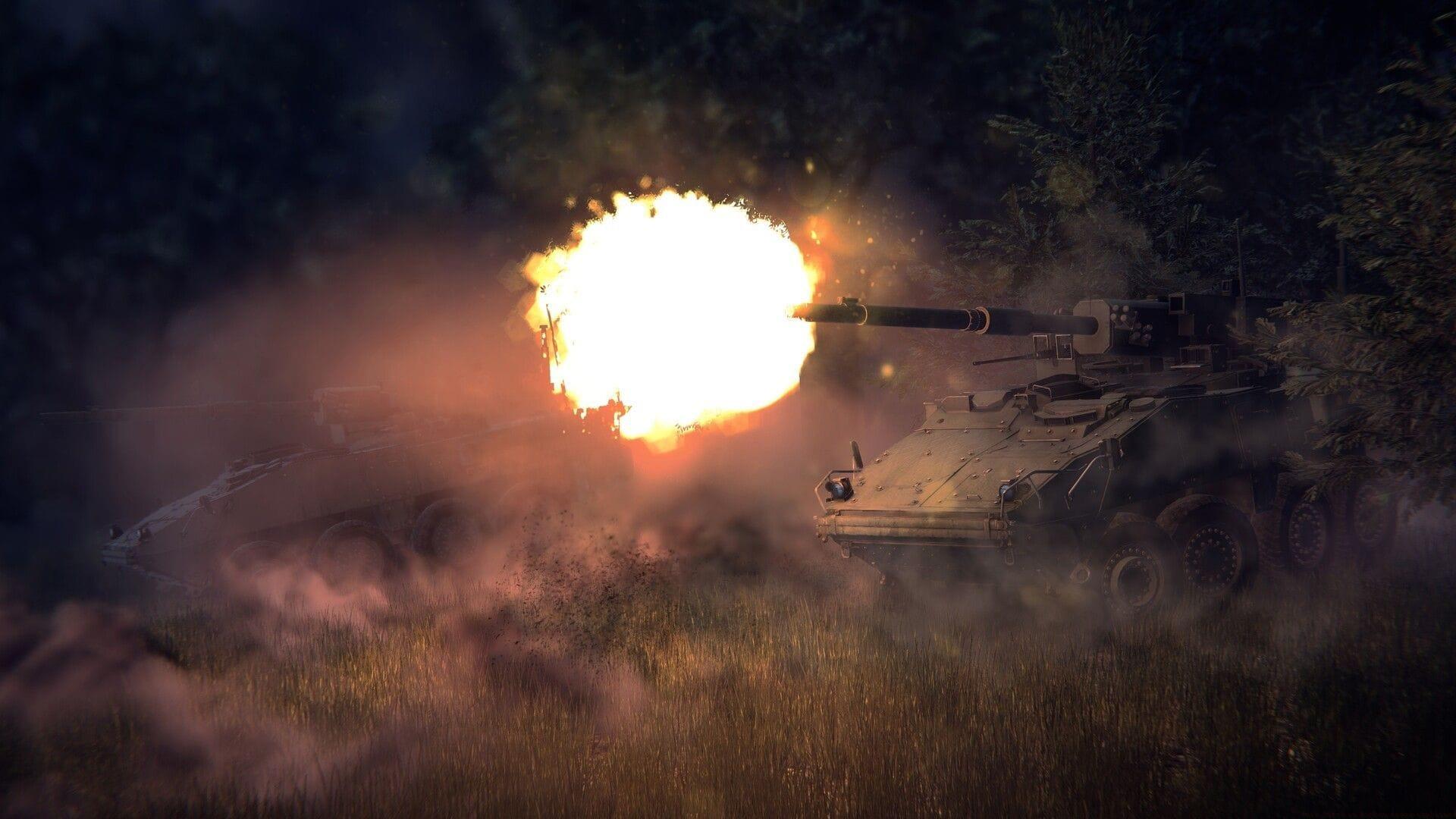
Broken Arrow operates on a foundation of precise statistical mechanics where every numerical value translates directly to battlefield performance. Unlike many real-time strategy games that allow for brute force approaches, this modern warfare simulator demands analytical thinking and statistical awareness. Casual players who select units based solely on appearance quickly discover that visually impressive equipment without proper statistical backing becomes expensive wreckage within minutes of engagement.
The game’s design philosophy emphasizes realistic combat dynamics where superior statistics consistently outperform inferior ones when properly utilized. Understanding these numbers transforms random unit selection into calculated force composition, turning potential defeats into decisive victories through statistical superiority.
Detection and Visibility Systems
Visibility mechanics in Broken Arrow create a critical information warfare layer that determines engagement initiation and tactical positioning. Optical systems define detection ranges, with superior optics spotting ground threats at greater distances, providing crucial reaction time advantages. Air units follow distinct visibility rules tied to altitude management, creating three-dimensional detection dynamics that skilled players leverage for aerial dominance.
Reconnaissance units typically excel in both optical and stealth characteristics, forming your battlefield intelligence network. Strategic placement of these units behind cover or on elevated terrain maximizes their effectiveness, creating information superiority that enables your primary combat units to engage with precision and safety. Advanced players use recon units not just for spotting, but for creating engagement traps and baiting enemy forces into unfavorable combat scenarios.
Common mistake: Positioning recon units too aggressively, resulting in their premature destruction and subsequent intelligence blindness. Proper recon preservation often proves more valuable than marginal positioning advantages.
Transport and Deployment Logistics
Logistical planning forms the backbone of successful deployment strategies, with weight management and transport capacity dictating which units reach the battlefield and when. Each unit carries specific weight characteristics, while every transport vehicle operates within strict carrying limitations that cannot be exceeded without deployment failure.
Air transport operations demand particular attention to weight distribution, as helicopters and planes have strict maximum capacities that ground transports might more flexibly accommodate. Strategic oversight during deck construction prevents the frustrating scenario where premium infantry squads remain in reserve because no available transport can accommodate their weight or size requirements.
Pro tip: Create transport groups with complementary capabilities – pair light transports with heavy ones to ensure all unit types can reach optimal deployment zones. Advanced players often dedicate specific transport squads to particular unit types, creating streamlined deployment pipelines that function efficiently under combat pressure.
Combat Effectiveness and Survivability
Survivability systems in Broken Arrow deviate from traditional hit point mechanics, introducing nuanced damage modeling that rewards tactical positioning and armor understanding. Infantry units distribute health points across individual squad members, meaning each casualty directly reduces combat effectiveness through diminished firepower and capabilities.
Vehicle armor operates with directional effectiveness, where frontal plating typically offers maximum protection while flank and rear armor present vulnerability points. Positional awareness becomes critical – exposing vehicle sides to enemy fire dramatically increases destruction probability. Advanced players master angle management, presenting strongest armor facets toward threats while minimizing exposure of weak points.
Armor penetration mechanics create rock-paper-scissors dynamics where certain units counter others based on statistical matchups. Recognizing these relationships enables force composition that anticipates and counters opponent strategies through statistical superiority in expected engagement scenarios.
Weapon Systems and Combat Performance
Weapon statistics form the execution component of your tactical planning, translating positioning advantages into actual combat results. Each weapon system operates within specific statistical parameters that determine engagement effectiveness across different combat scenarios and against various target types.
Modern combat units typically field multiple weapon systems designed for complementary roles. Main battle tanks might combine high-penetration cannons for armored threats, coaxial machine guns for infantry suppression, and missile systems for ranged engagements. Understanding each weapon’s primary function enables proper target prioritization and weapon selection during dynamic combat situations.
Advanced tactic: Create overlapping engagement zones where units with different weapon characteristics cover each other’s limitations. Pair long-range low-rate-of-fire weapons with shorter-range high-rate-of-fire systems to create defensive positions that remain dangerous at all engagement distances.
Advanced Combat Timing Mechanics
Combat timing statistics introduce rhythmic elements to engagements, where shot preparation and reload cycles create windows of vulnerability and opportunity. These often-overlooked metrics separate novice players from experienced commanders who understand combat flow management.
Weapons with exceptional damage output but extended reload requirements demand backup systems or strategic positioning to avoid vulnerability during reload cycles. Skilled players synchronize unit actions to maintain continuous pressure, staggering engagements so that while some units reload, others remain combat-ready.
Professional insight: High-damage slow-firing weapons excel in ambush scenarios and defensive positions where the first shot determines engagement outcome. Rapid-firing lower-damage weapons prove more effective in prolonged exchanges and offensive maneuvers where sustained pressure matters more than individual shot power.
Strategic Implementation and Deck Building
Mastering individual statistics represents only the foundational knowledge – true expertise emerges from understanding statistical synergies and force composition principles. Successful battlegroup construction requires complementary unit selection where statistical strengths cover teammate weaknesses, creating combined arms effectiveness exceeding individual unit capabilities.
Statistical awareness transforms deck building from arbitrary unit collection to calculated force design. Each selection should fulfill specific statistical roles within your overall strategy, whether providing reconnaissance coverage, anti-armor capability, infantry support, or logistical functions. Advanced players design decks with engagement sequencing in mind, planning not just which units deploy, but how they interact statistically throughout battle progression.
Once you internalize how these statistical systems interconnect, the entire game transforms from chaotic conflict to calculated execution. Your battlegroups will demonstrate fluid operational capability rather than disconnected unit clusters, achieving victories through statistical superiority rather than random chance.
No reproduction without permission:SeeYouSoon Game Club » Unit Stats in Broken Arrow explained Master Broken Arrow unit stats to build effective battlegroups and dominate the battlefield strategically