
Master Rimworld’s Nutrient Paste Dispenser for efficient colony management and survival strategies
Understanding the Nutrient Paste Dispenser
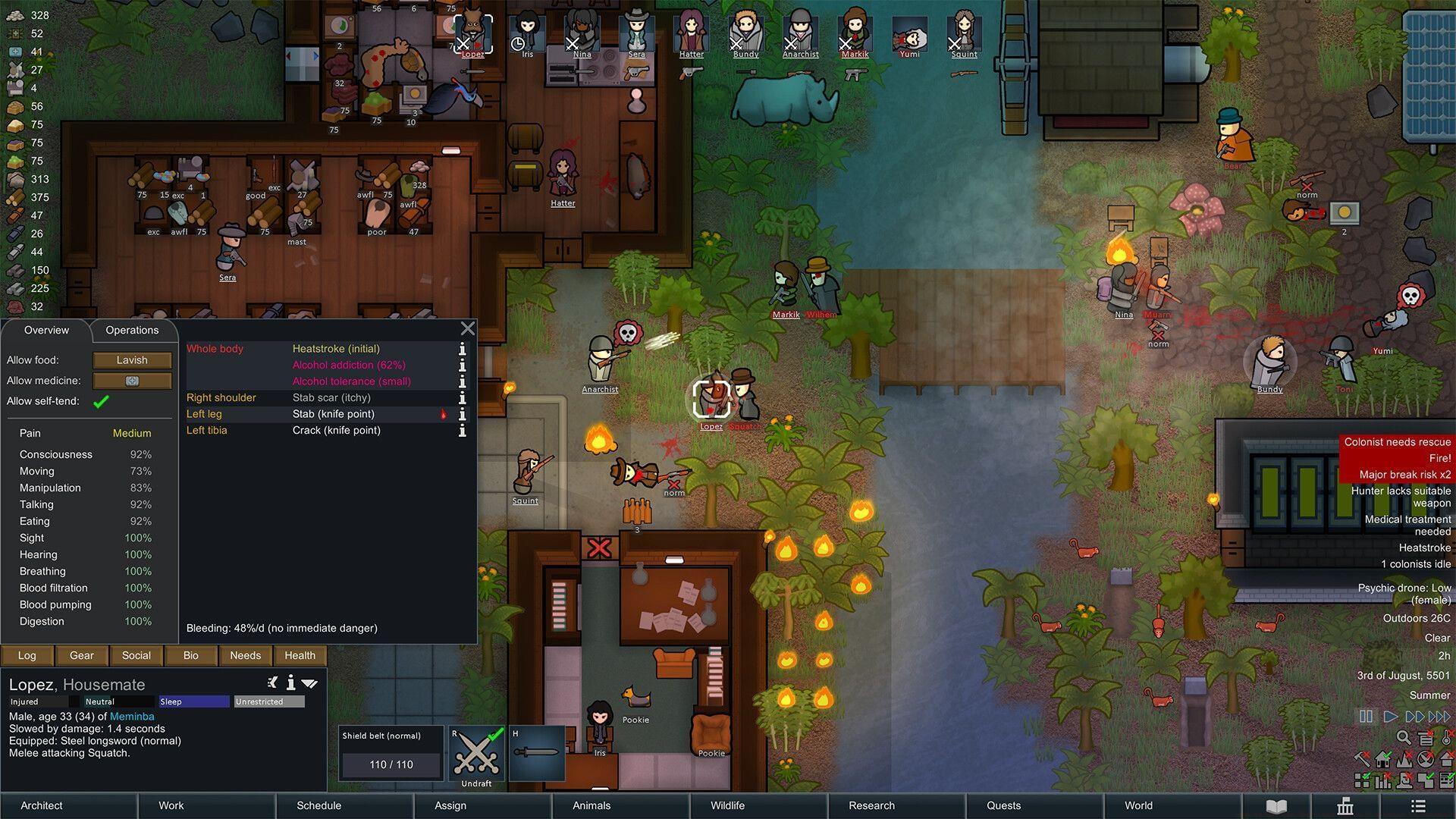
The Nutrient Paste Dispenser in Rimworld represents one of the most resource-efficient food production systems available to colony managers. Inspired by dystopian sci-fi concepts, this automated feeding solution eliminates labor requirements while maximizing raw food utilization. Unlike traditional cooking that demands skilled colonists and significant time investment, paste dispensers instantly convert ingredients into edible meals without any cooking skill dependency.
This system offers exceptional efficiency during resource-scarce scenarios, though it does carry a mood penalty that requires careful colony management. The dispenser converts raw food at 100% efficiency compared to cooking’s typical 80-90% conversion rates, making it particularly valuable during winter months or on maps with limited growing seasons.
Building and Setup Requirements
Constructing your nutrient paste infrastructure requires specific resources and strategic planning. The dispenser itself demands 80 Steel and 4 Components crafted at a Fabrication Bench. Seasoned players recommend stockpiling these materials early, as component scarcity can bottleneck colony development.
The Nutrient Paste Dispenser operates as part of an integrated system rather than a standalone device. You must position at least one Hopper directly adjacent to the dispenser unit, with the tube connection facing toward the feeding mechanism. These hoppers function as bulk storage for raw ingredients that the dispenser automatically retrieves when colonists request meals.
Critical setup considerations include:
- Continuous power connection – the system ceases functioning during electrical outages
- Strategic hopper placement – multiple hoppers allow ingredient variety and increased capacity
- Component allocation planning – ensure fabrication bench priority for component production
- Backup power systems – consider connecting to secondary power sources for reliability
Strategic Placement and Optimization
Optimal dispenser placement significantly impacts colony efficiency and workflow. The meal output tile (marked with a circular indicator) determines where colonists stand during food retrieval. Position this access point near dining areas or high-traffic zones to minimize travel time between work stations and meal collection.
Advanced placement strategies include:
- Centralized kitchen positioning – place near recreation and sleeping areas
- Prison complex integration – install separate dispensers for inmate feeding
- Remote work site placement – consider secondary dispensers for mining or farming outposts
- Temperature control – avoid placing in unroofed areas or extreme temperature zones
Experienced players often create dedicated nutrition hubs that combine paste dispensers with food storage, dining tables, and recreation facilities. This consolidated approach reduces colonist transit time and improves overall efficiency, particularly in large, spread-out colonies.
Advanced Usage Scenarios
Beyond basic colonist feeding, nutrient paste systems enable sophisticated colony management strategies. Automated prisoner feeding represents one of the most valuable applications – installing a dispenser within jail facilities eliminates manual meal delivery, freeing colonists for more productive tasks while ensuring consistent inmate nutrition.
Emergency stockpiling techniques provide crucial food security during anticipated power outages or resource shortages. By drafting a hungry colonist and repeatedly using the dispenser while forbidding dropped meals, you can rapidly accumulate emergency rations. This pause-and-draft method creates substantial food reserves without refrigeration requirements.
Additional advanced applications include:
- Resource conservation – paste meals use 30% less raw food compared to fine meals
- Bulk food production – ideal for supporting large colonist populations or animal feeding
- Disease outbreak management – reduces food poisoning risks associated with poor cooking
- Caravan preparation – creates non-perishable meals for extended expeditions
Common Pitfalls and Solutions
Despite their efficiency, nutrient paste systems introduce unique operational challenges. The most significant drawback involves colonist meal carrying behavior – unlike prepared meals, colonists cannot transport paste meals for later consumption. This forces distant workers to repeatedly return to the dispenser, creating substantial efficiency losses in expansive colonies.
Common implementation mistakes and their solutions:
- Single dispenser dependency – deploy multiple units across large colonies to reduce travel time
- Power vulnerability – connect to backup generators or battery banks for outage protection
- Ingredient diversity issues – stock hoppers with multiple food types to prevent nutrient deficiencies
- Mood penalty accumulation – complement paste meals with impressive dining rooms and recreation
- Hopper access problems – ensure clear paths for colonist restocking operations
Pro players often combine paste dispensers with limited fine meal production, using paste for general feeding while reserving cooked meals for mood management during critical periods.
No reproduction without permission:SeeYouSoon Game Club » How to use the Nutrient Paste Dispenser in Rimworld Master Rimworld's Nutrient Paste Dispenser for efficient colony management and survival strategies