
Tyler1’s explosive reaction to Riot’s champion balance claims and what it reveals about League’s direction
The Season 12 Announcement That Sparked Controversy
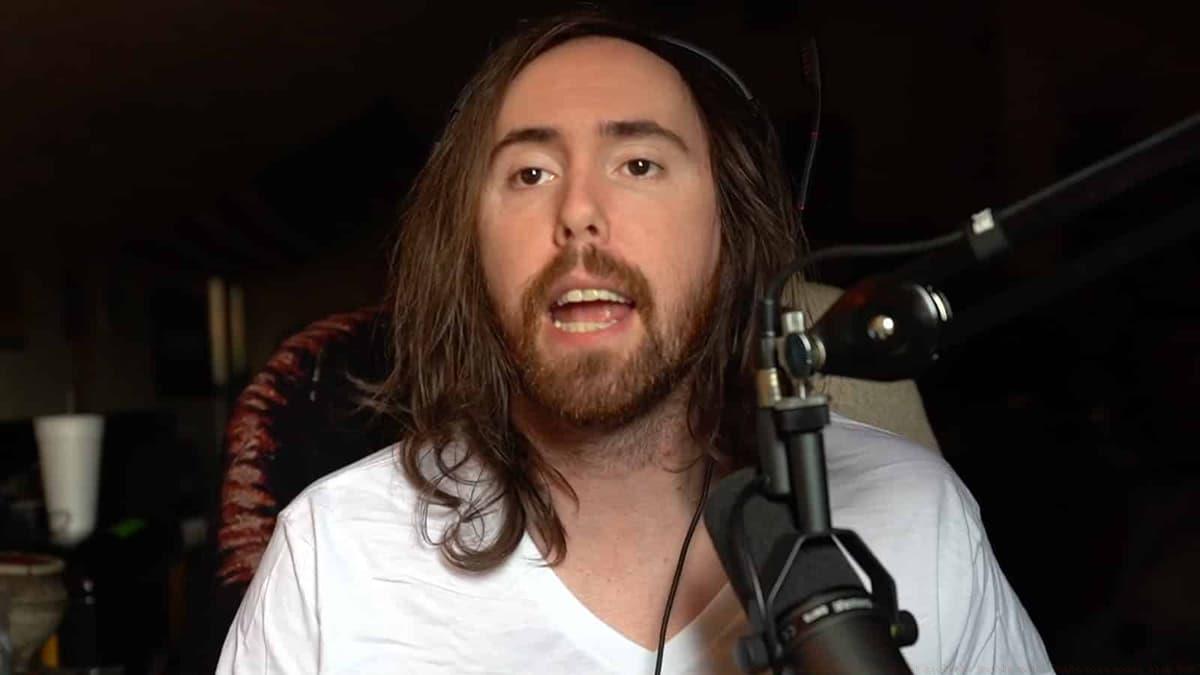
Tyler1’s explosive reaction to Riot Games’ Season 12 preview revealed deep-seated frustrations about champion balancing philosophy that many players share but rarely express so vehemently.
The popular Twitch streamer’s meltdown during Riot’s development update exposed fundamental disagreements about what constitutes proper champion balance in League of Legends.
When Riot Games unveiled their October 7 Season 12 preview, they highlighted significant gameplay evolution including two drake additions—Hextech and Chemtech variants—each bringing unique buff mechanics to the Rift. The update also introduced several Mythic item innovations alongside enhanced Legendary-tier equipment tailored for Mage, Assassin, and Tank archetypes. However, the segment addressing recent champion releases triggered Tyler1’s outburst, particularly Jessica Nam’s assertion about this year’s balance track record.
 Riot Games
Vex represents the 157th champion addition to League’s roster and exemplifies Riot’s recent design approach.
Breaking Down the Champion Balance Debate
Jessica Nam’s statement during the development update—”We’ve actually seen that new champions have been pretty balanced on release this year, except for Dr. Mundo”—immediately drew Tyler1’s ire and sparked broader discussion about balance perception gaps.
Tyler1’s incredulous response—”What are they f**kin’ talking about. Dude, Mundo, what do you mean?!”—highlighted a fundamental disconnect between developer data and player experience. His assertion that “Dr. Mundo was the most balanced drop you’ve had!” suggests players evaluate balance through different metrics than developers.
The 2021 Dr. Mundo rework represented the year’s only complete champion overhaul, yet received multiple post-release buffs indicating initial underperformance. This contrasts with Riot’s assessment that other champions launched in balanced states, raising questions about what criteria each party uses to determine “balance.”
Understanding this discrepancy requires examining win rate data, pick/ban rates, and professional play presence versus community sentiment and perceived frustration factors—metrics that often tell different stories about a champion’s actual game impact.
Understanding Tyler1’s Game Balance Philosophy
Tyler1’s threat to “close this s**t” just 29 seconds into the video reflects a common player frustration: the perception that developers don’t understand actual gameplay experiences.
His dramatic reaction—”I’m about to punch my monitor”—while extreme, represents genuine concerns shared by many dedicated players. High-elo streamers like Tyler1 encounter champion balance issues more frequently than average players due to extended playtime and competitive environments, making them sensitive to perceived imbalances that might not appear in broader statistics.
This incident reveals three common balance assessment mistakes players make: overvaluing recent negative experiences, underestimating adaptation periods for new champions, and conflating personal performance issues with systemic balance problems. Meanwhile, developers must balance statistical data with community perception, often a challenging tightrope walk.
The gap between professional player perspectives and casual enjoyment highlights one of League’s enduring challenges: creating champions that satisfy competitive integrity while remaining accessible and enjoyable for the broader player base.
Practical Takeaways for League Players
For players navigating these balance discussions, several strategies can help form more informed perspectives on champion strength and game direction.
First, cross-reference multiple data sources before forming strong opinions about balance. Sites like OP.GG, U.GG, and League of Graphs provide statistical context that might explain developer decisions. Second, recognize that personal experiences—while valid—represent anecdotal evidence that may not reflect broader game state.
When providing feedback, specific examples and constructive suggestions prove more effective than emotional reactions. Instead of “this champion is broken,” explain which abilities feel overwhelming and suggest specific number adjustments or mechanic changes.
Finally, understand that game balance represents an ongoing process rather than a final destination. The meta constantly evolves as players discover new strategies and counters, meaning today’s overpowered champion might become manageable tomorrow as the community adapts.
No reproduction without permission:SeeYouSoon Game Club » Tyler1 loses it over Riot’s League Season 12 champion comments: “I’m gonna punch my monitor” Tyler1's explosive reaction to Riot's champion balance claims and what it reveals about League's direction