
How Call of Duty Warzone revolutionized battle royale gaming and reshaped the FPS landscape forever
Introduction: A Gaming Revolution
Call of Duty stands as the most dominant first-person shooter franchise in gaming history, but Warzone represents its most transformative chapter yet.
When Call of Duty: Warzone launched on March 10, 2020, it didn’t just release another battle royale – it fundamentally altered the trajectory of both the CoD franchise and competitive gaming overall. This is the story of how a single game reshaped an entire genre in just two years.
The official announcement for Warzone came astonishingly late – just one day before its March 10 release. Despite months of industry speculation, Infinity Ward’s battle royale masterpiece arrived with virtually no advanced marketing yet achieved instant success. Building upon lessons from CoD’s earlier Blackout mode and studying competitors like Apex Legends and Fortnite, Warzone incorporated the best elements while adding revolutionary new mechanics. The timing proved perfect as the game provided an essential social outlet during global lockdowns, transforming from mere entertainment to cultural touchstone.
 Activision
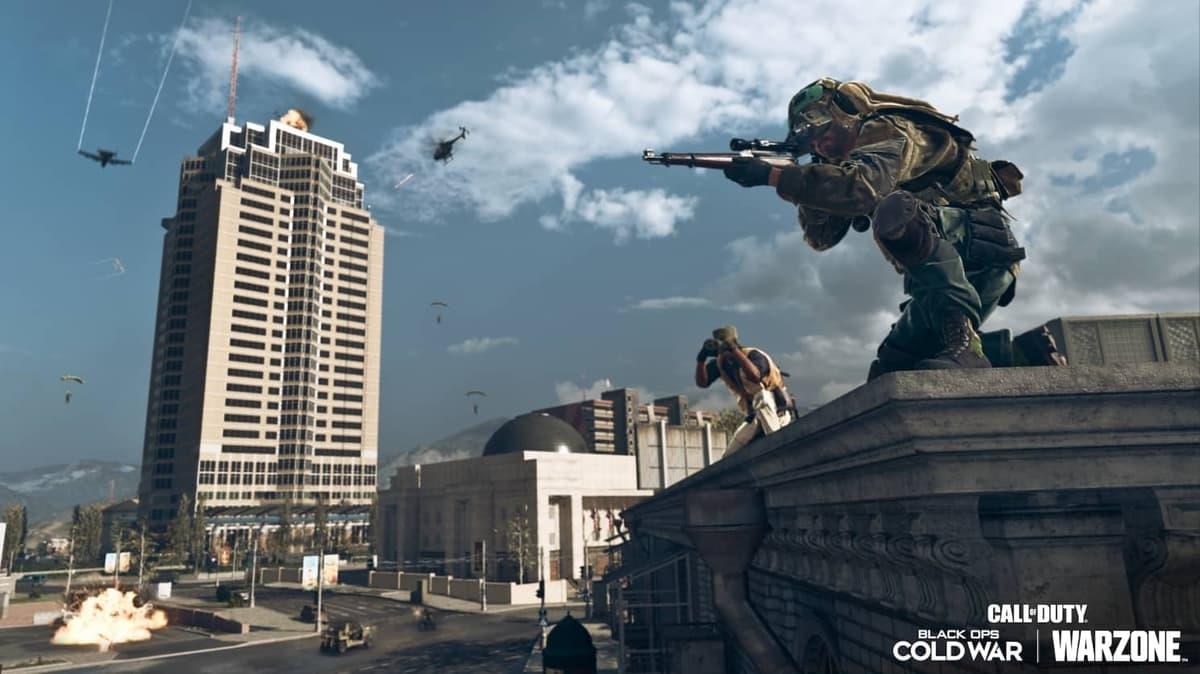
Verdansk’s urban combat zones became instantly recognizable landmarks for millions of players worldwide. Warzone captured lightning in a bottle precisely when Call of Duty needed reinvention. Following the divisive jetpack era and waning player enthusiasm, many had migrated to competing titles like Fortnite. Warzone’s arrival reversed this trend dramatically.
Cultural Impact and Content Creator Revolution
Warzone’s release triggered an unprecedented migration of gaming talent and viewership. The game’s accessibility and high skill ceiling attracted players across multiple genres simultaneously.
Content creators became Warzone’s most powerful evangelists. Streaming giants including NICKMERCS, TimTheTatman, xQc, and Shroud embraced the title immediately, with many maintaining dedicated Warzone content for years. The game dominated Twitch viewership charts, often surpassing established favorites. Beyond established stars, Warzone cultivated new talent organically. Emerging creators like JoeWo, the Baka Brothers, Swagg, and Tommey built massive followings through tournament performances and engaging streams. While perhaps not reaching Fortnite’s peak cultural saturation, Warzone launched numerous full-time streaming careers and established sustainable creator ecosystems.
 Activision
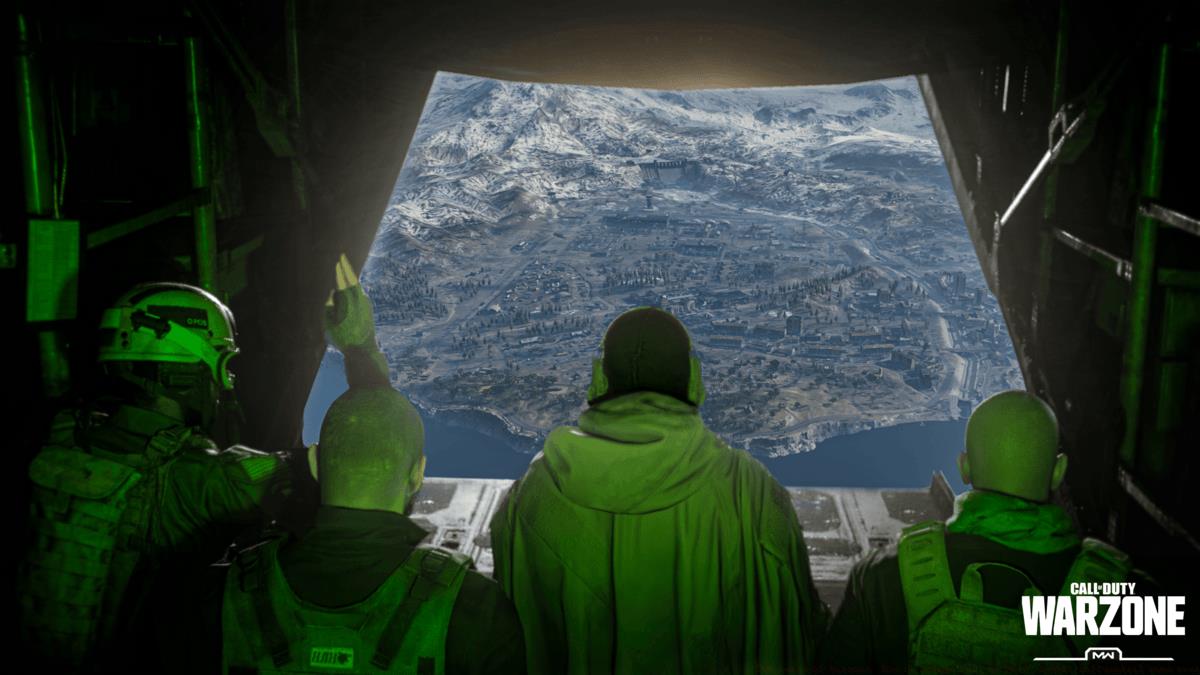
Warzone’s consistent top-tier Twitch presence demonstrated its lasting appeal beyond initial hype cycles. Warzone’s influence extended beyond viewership metrics to fundamentally alter battle royale design philosophy. While genre leaders traditionally borrowed features from each other, Warzone introduced mechanics that competitors eventually replicated.
Gameplay Innovations That Redefined Battle Royale
Warzone’s Contract system represents one of its most copied innovations. Whether pursuing Bounty targets or completing Supply Runs, these dynamic objectives create strategic depth missing from earlier battle royales. Fortnite’s subsequent implementation of similar quest mechanics demonstrates Warzone’s design influence.
The Gulag mechanic fundamentally changed player engagement. This second-chance system seemed counterintuitive for a elimination-based genre but eliminated frustrating downtime between matches. Unlike Apex Legends’ Respawn Beacons or Fortnite’s Reboot Vans, the Gulag maintained tension through one-on-one combat rather than simple revival mechanics. This innovation kept players actively engaged throughout entire gaming sessions.
For advanced players, mastering Contract timing separates average performers from elite competitors. Optimal strategy involves prioritizing high-value contracts during early game while avoiding unnecessary risks during final circles. Common mistakes include overcommitting to bounties during vulnerable positioning or neglecting contract opportunities during loot-rich phases.
How many people play Warzone? Player count in 2025
Everything coming in Warzone Season 01: Roadmap
All Call of Duty games in release order
Franchise Transformation and Industry Impact
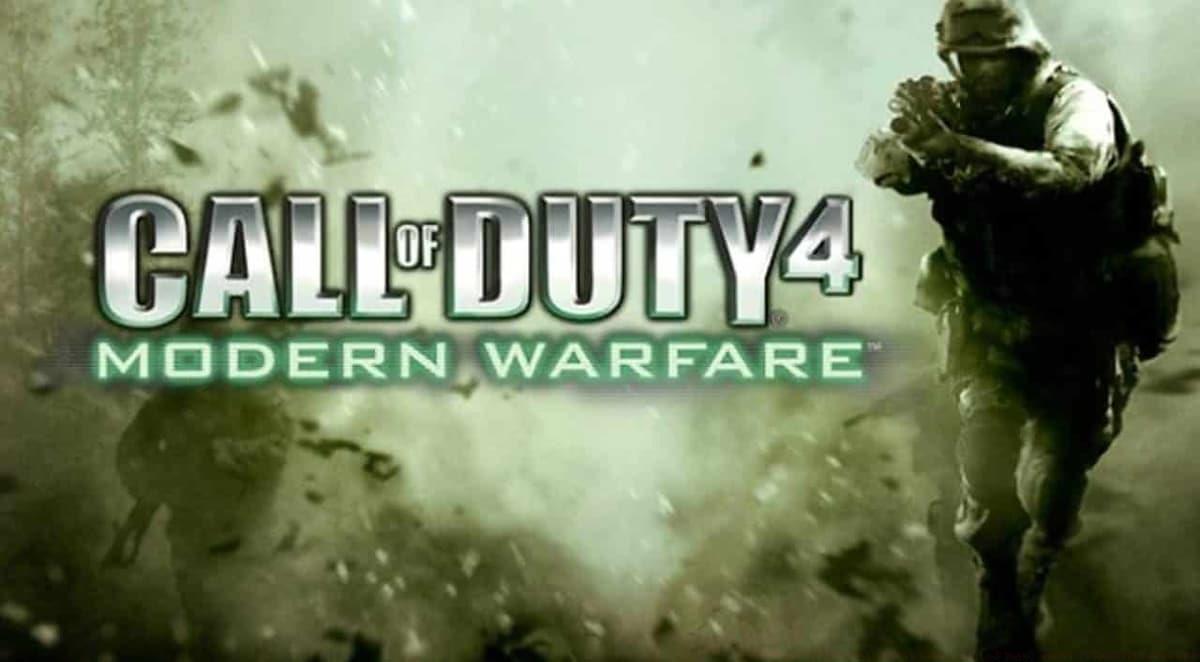
Warzone’s success fundamentally redirected Call of Duty’s development priorities. The franchise had produced influential titles before – Call of Duty 4: Modern Warfare revolutionized military shooters with its killstreak systems, weapon customization, and cinematic presentation – but Warzone represented a different kind of influence.
 Activision
Modern Warfare established design conventions that defined FPS games for generations. Warzone delivered genuine innovation that reinvigorated a franchise many considered stagnant despite consistent sales. Lapsed players returned enthusiastically, and subsequent titles like Vanguard incorporated Warzone-inspired mechanics including the gunsmith system, time-to-kill balance, and movement mechanics.
Warzone’s impact extends to unprecedented development decisions. For the first time in franchise history, Activision delayed a mainline Call of Duty release, with Treyarch’s 2023 title (now scheduled for 2024) receiving extended development time for polishing. This shift demonstrates Warzone’s financial importance, as its success mitigated Vanguard’s underwhelming commercial performance. https://twitter.com/charlieINTEL/status/1496269112108064772 While Warzone’s peak popularity has naturally declined since 2020-2021, and community reception of Caldera proved mixed compared to beloved Verdansk, the game’s legacy remains secure. In just two years, Warzone permanently altered Call of Duty’s development roadmap and battle royale design conventions. The ongoing challenge involves maintaining this momentum, particularly with Warzone 2’s development underway.
No reproduction without permission:SeeYouSoon Game Club » Two years of Warzone: How it became Call of Duty’s most influential game ever How Call of Duty Warzone revolutionized battle royale gaming and reshaped the FPS landscape forever