
Analyzing Tahm Kench’s failed rework: Why the River King struggles in Season 11
The Numbers Don’t Lie: Popularity vs. Performance
The recent Tahm Kench rework presents a paradox that’s rare even in League of Legends’ volatile balance history. While champion updates typically follow predictable patterns, the River King’s overhaul defies conventional wisdom with its inverse relationship between popularity and effectiveness.
Statistical analysis reveals alarming trends following patch 11.13. Tahm Kench’s playrate skyrocketed from 2.3% to 8.1%, indicating strong player interest in the reworked kit. However, his win rate simultaneously plummeted from an already concerning 47% to a dismal 43.1% according to League of Graphs. This inverse correlation between popularity and performance suggests fundamental flaws in the rework’s execution.
When comparing to successful reworks like Irelia (2018), Fiddlesticks (2020), and Volibear (2020), we see a stark contrast. These champions experienced similar playrate spikes but stabilized at higher win rates within weeks. Irelia maintained above 50% win rate post-rework despite her popularity tripling, while Fiddlesticks settled at 52% after initial adjustments. Tahm Kench’s continued decline suggests his issues run deeper than typical rework growing pains.
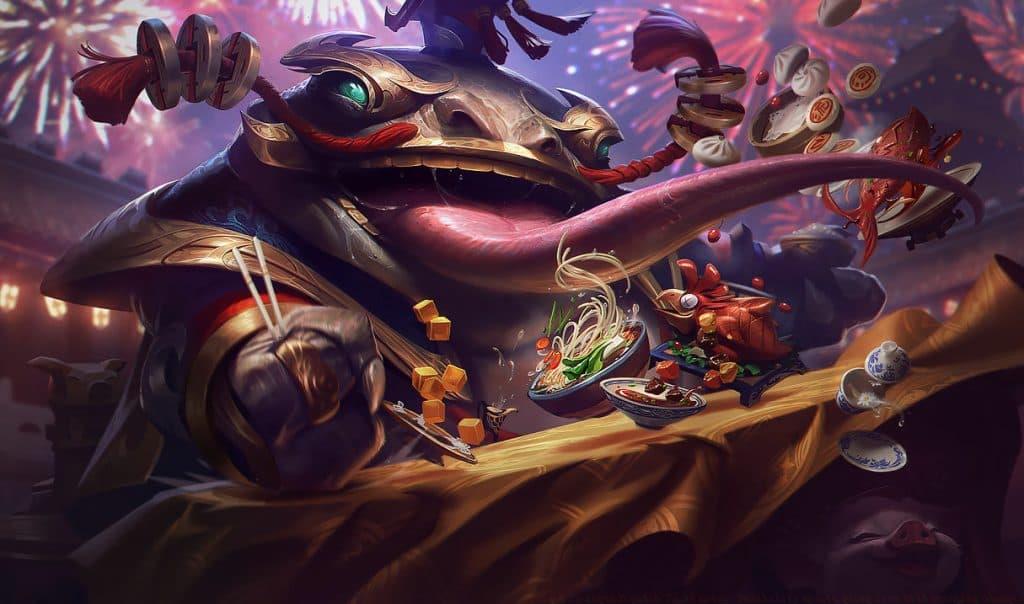 Riot Games
The data suggests Tahm Kench’s rework failed to address core balance issues while introducing new problems.
Lane Identity Crisis: Top or Support?
Tahm Kench’s rework has forced players into an impossible choice between two suboptimal roles, removing the champion’s previous flexibility. The ability swap between Devour (W) and Abyssal Voyage (R) has fundamentally altered his lane dynamics in ways that punish both playstyles.
Top lane Kench suffers from three critical weaknesses post-rework: First, moving Devour to his ultimate removes his early trading power. Second, the new Abyssal Dive is easily dodged and punished. Third, the extended grey health delay (4 seconds) makes sustain unreliable. These changes collectively neuter his laning phase, forcing players to either play defensively or risk constant unfavorable trades.
As a support, Tahm Kench faces different but equally severe issues. With Devour gated behind a long cooldown ultimate, he essentially functions with only two abilities during laning phase. His new Abyssal Dive provides minimal utility compared to other engage supports, while his protective capabilities arrive too late to counter modern burst damage.
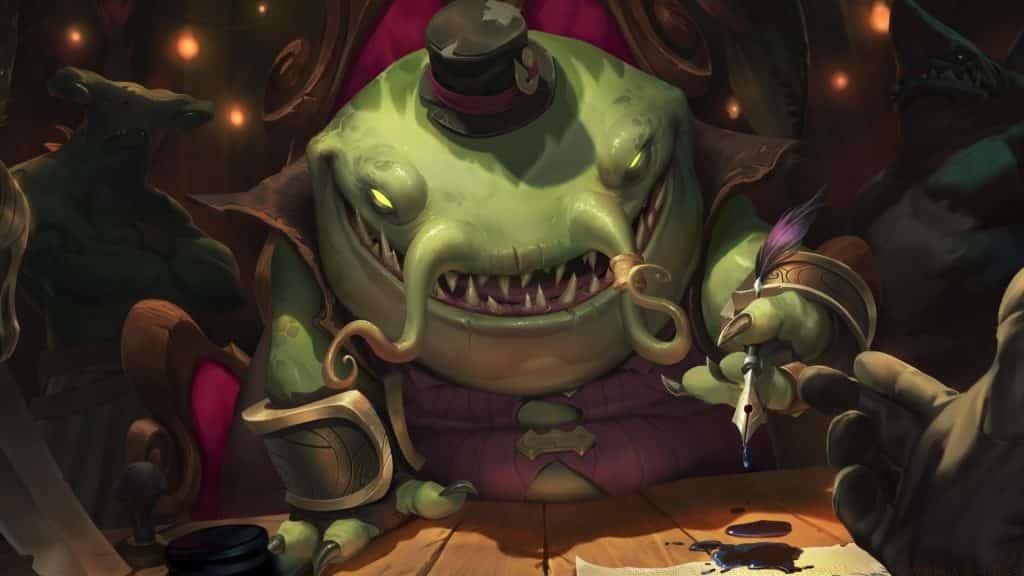 Riot Games
Tahm Kench’s kit now fails to excel in either role, leaving players without a clear competitive niche.
Practical Tip: If forced to play Tahm Kench currently, focus on his mid-game teamfight potential. His ultimate-empowered Devour can still turn fights when timed correctly, especially when paired with mobile carries who can capitalize on the repositioning.
The Pro Play Paradox: Balancing Impossible
Tahm Kench’s fundamental design creates an unsolvable balancing dilemma for Riot Games. His kit contains inherent contradictions that make simultaneous viability in casual and professional play nearly impossible to achieve.
The core issue stems from Tahm Kench’s binary power curve. In professional play, his Devour ability provides too much coordinated utility when strong, while in solo queue, his kit requires too much teamwork to execute effectively. This creates a no-win scenario where buffs make him oppressive in coordinated play, while nerfs render him useless for casual players.
Common Mistake: Many players attempt to build Tahm Kench as a pure tank, overlooking the importance of ability haste to mitigate his long cooldowns. While tank items are necessary, strategic CDR purchases can help bridge the gap between his impactful abilities.
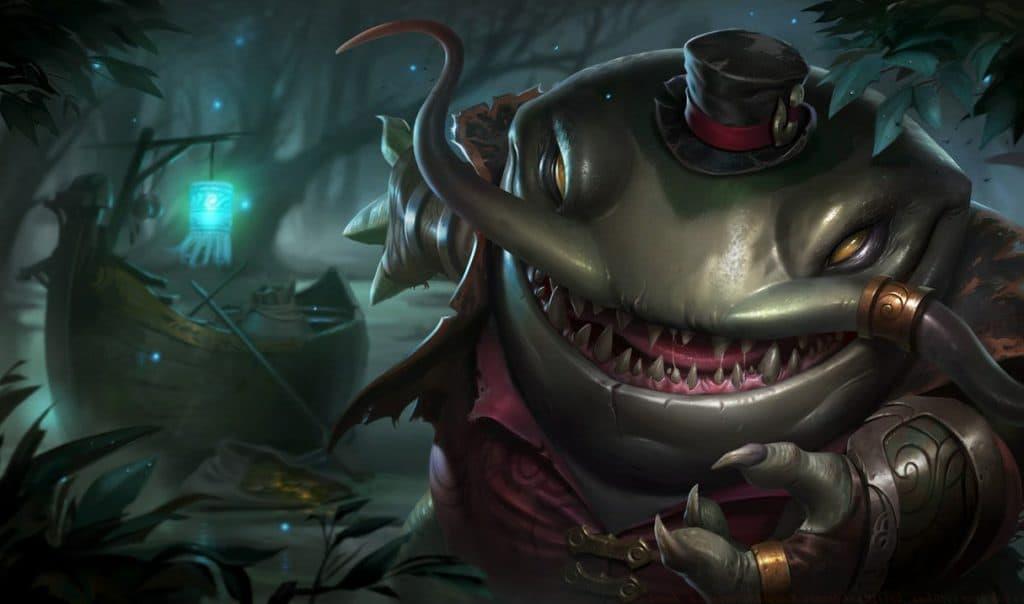 Riot Games
Riot may need to choose between balancing for pro play or casual play, as attempting both appears impossible.
Looking ahead, Riot faces difficult decisions. They could: 1) Fully commit to Tahm Kench as a support by reworking his top lane capabilities, 2) Double down on his top lane identity by removing support-oriented mechanics, or 3) Implement separate balancing for competitive play (unlikely given Riot’s design philosophy). The current middle-ground approach satisfies neither playstyle and risks alienating both player bases.
No reproduction without permission:SeeYouSoon Game Club » Tahm Kench’s League of Legends rework has failed, and Riot must fix it Analyzing Tahm Kench's failed rework: Why the River King struggles in Season 11