
RGG Studio’s Stranger Than Heaven: 1943 Detective Adventure with Overhauled Combat System and Story Choices
Revealing the Transformation: From Project Century to Stranger Than Heaven
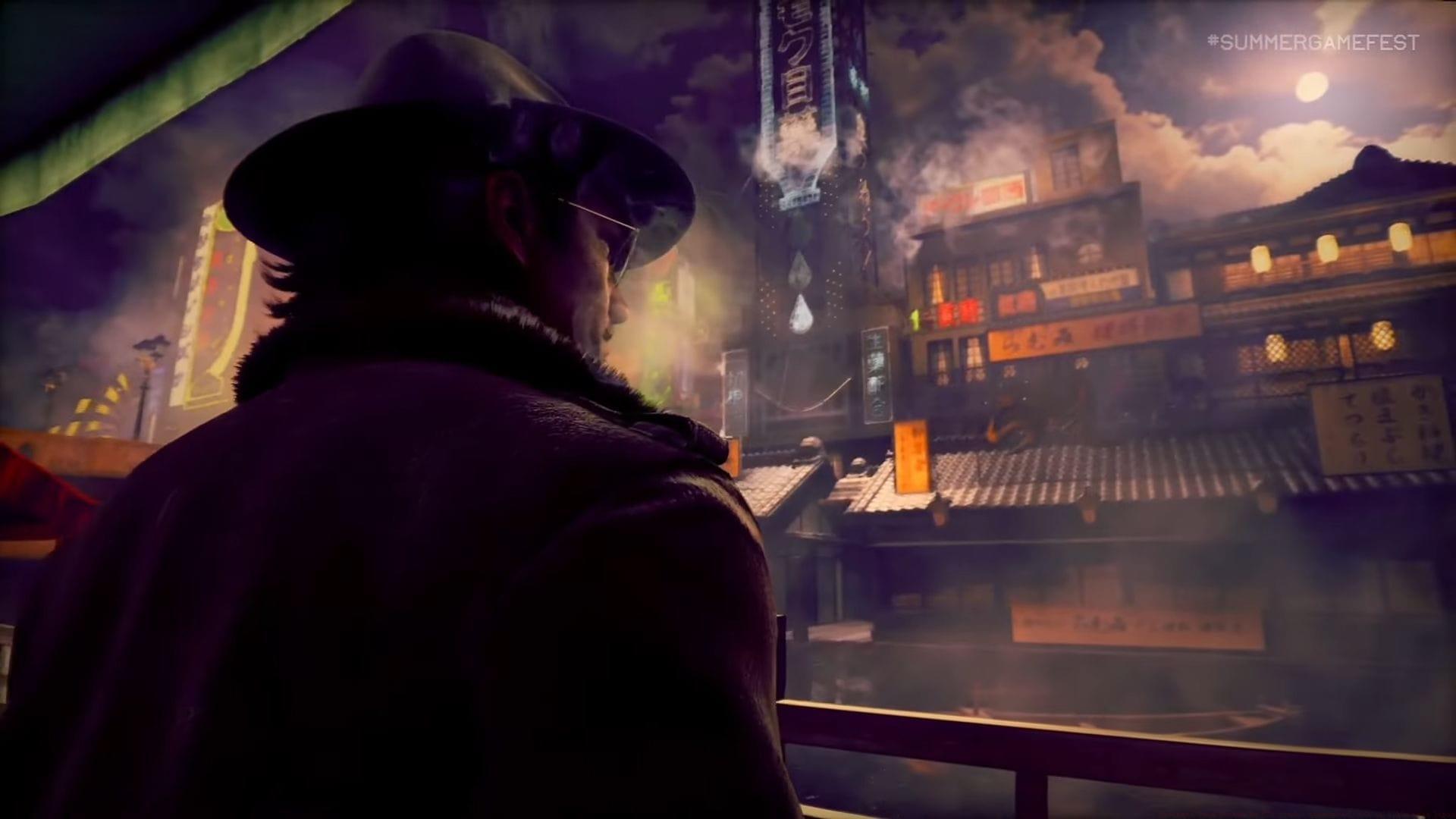
RGG Studio made a significant announcement at Summer Game Fest 2025, officially unveiling their latest creation now titled Stranger Than Heaven. This project, initially introduced as Project Century during The Game Awards 2024, represents a bold departure from the developer’s established formula. The studio is venturing into uncharted territory by exploring the Japanese criminal underworld during 1943, marking a dramatic shift from the contemporary settings that defined both the Yakuza and Judgment series.
For gaming enthusiasts seeking additional entertainment between major reveals, various puzzle resources remain available including NYT Mini Crossword solutions and other popular crossword platforms.
The rebranding from Project Century to Stranger Than Heaven signals RGG Studio’s commitment to delivering a completely fresh intellectual property. Set in Japan’s tumultuous 1943 era, this timeframe presents a stark contrast to the modern urban landscapes familiar to fans of the developer’s previous work. Early visual analysis suggests the game will feature the iconic Dotonbori district of Osaka, though reimagined through a historical lens that captures the atmosphere of wartime Japan.
Historical Setting: Exploring 1943 Japan’s Criminal Underworld
Stranger Than Heaven transports players to a meticulously recreated 1943 Japan, offering a gaming experience far removed from the neon-lit streets of Kamurocho. The wartime setting introduces unique environmental challenges and social dynamics that will fundamentally shape gameplay mechanics. Historical accuracy appears to be a priority, with the Dotonbori district serving as the primary backdrop, though transformed to reflect the austerity and tension of Japan during World War II.
This temporal shift represents more than just cosmetic changes. The 1943 setting enables exploration of criminal organizations operating within the constraints of wartime rationing, military police presence, and societal upheaval. Players should anticipate navigating black markets, dealing with military officials, and encountering characters shaped by the pressures of conflict. The environment will likely feature period-appropriate architecture, transportation, and technology, creating an immersive experience that educates while it entertains.
Practical tip: Research 1940s Osaka history before playing to better appreciate the environmental details and historical references. Understanding the social hierarchy and economic challenges of wartime Japan will enhance your immersion and help you make more informed decisions within the game’s narrative.
Protagonist and Narrative: Detective Story with Branching Choices
Following RGG Studio’s established pattern of compelling character-driven narratives, Stranger Than Heaven introduces a new protagonist who appears to be a detective based on trailer analysis. This professional background suggests investigative gameplay mechanics will complement the action elements, potentially including crime scene examination, witness interrogation, and evidence collection systems. The detective angle provides natural justification for exploring the game’s historical setting and interacting with its diverse character roster.
The branching narrative system represents a significant evolution for the studio. Early indications suggest player choices will impact story outcomes, relationships with supporting characters, and potentially even the game’s ending. This mechanic encourages multiple playthroughs to experience different narrative paths and consequences. Common mistake to avoid: making hasty dialogue choices without considering long-term implications. The wartime setting likely means decisions carry weight beyond immediate outcomes, affecting your reputation with various factions throughout the game.
Advanced players should pay close attention to character relationships and faction allegiances when making story decisions. The 1943 setting implies complex moral choices where traditional notions of right and wrong may be blurred by wartime necessities and survival imperatives.
Combat Revolution: From One-Man Army to Strategic 1v1 Encounters
Stranger Than Heaven completely overhauls RGG Studio’s combat philosophy, transitioning from the series’ trademark one-versus-many brawls to a more focused beat-em-up system emphasizing one-on-one encounters. This strategic shift suggests combat will prioritize timing, positioning, and individual opponent analysis over crowd control techniques. The trailer indicates sophisticated animation systems for both the protagonist and adversaries, with what appears to be contextual grappling, countering, and environmental interaction mechanics.
Crowd dynamics introduce an innovative layer to combat scenarios. Unlike previous titles where bystanders typically served as backdrop, pedestrians now actively respond to violence by fleeing, potentially creating obstacles or altering battle conditions. This mechanic could be strategically manipulated—cornering opponents against panicking crowds or using chaotic scenes as cover. Optimization tip: Master environmental awareness during fights. Use the crowd’s movement to your advantage by positioning enemies between yourself and fleeing civilians to limit their attack angles and create openings for counterattacks.
The combat system appears designed to reward patience and observation over aggression. Studying opponent patterns and waiting for ideal moments to strike will likely prove more effective than relentless assault. This approach aligns with the detective protagonist’s character, emphasizing intelligence and strategy over brute force.
Release Strategy and Development Insights
While RGG Studio has not announced an official release date for Stranger Than Heaven, industry patterns and development cycles strongly point toward a 2026 launch. This timeline aligns with the studio’s historical release schedules and allows sufficient development time to polish the game’s ambitious new mechanics and historical setting. The gap between initial teaser and projected release suggests thorough development to ensure the revolutionary combat and narrative systems meet quality standards.
The studio’s decision to reveal the game at both The Game Awards 2024 and Summer Game Fest 2025 indicates strategic marketing planning to build sustained anticipation. This approach helps manage player expectations while gradually revealing gameplay elements to maintain interest throughout development. Common mistake: expecting rushed development. RGG Studio’s reputation for quality suggests they won’t release Stranger Than Heaven until all innovative systems are properly implemented and tested.
Based on the studio’s track record, players can anticipate additional reveals throughout 2025, potentially including character deep dives, gameplay demonstrations, and more detailed exploration of the branching narrative system. Following official RGG Studio channels will provide the most current information as development progresses toward the expected 2026 release.
No reproduction without permission:SeeYouSoon Game Club » Stranger Than Heaven by RGG Studio announced, set in 1940s noir Japan RGG Studio's Stranger Than Heaven: 1943 Detective Adventure with Overhauled Combat System and Story Choices