
Understanding the copyright investigation facing Schedule 1 and what it means for Breaking Bad-inspired gaming
The Copyright Investigation Unfolds
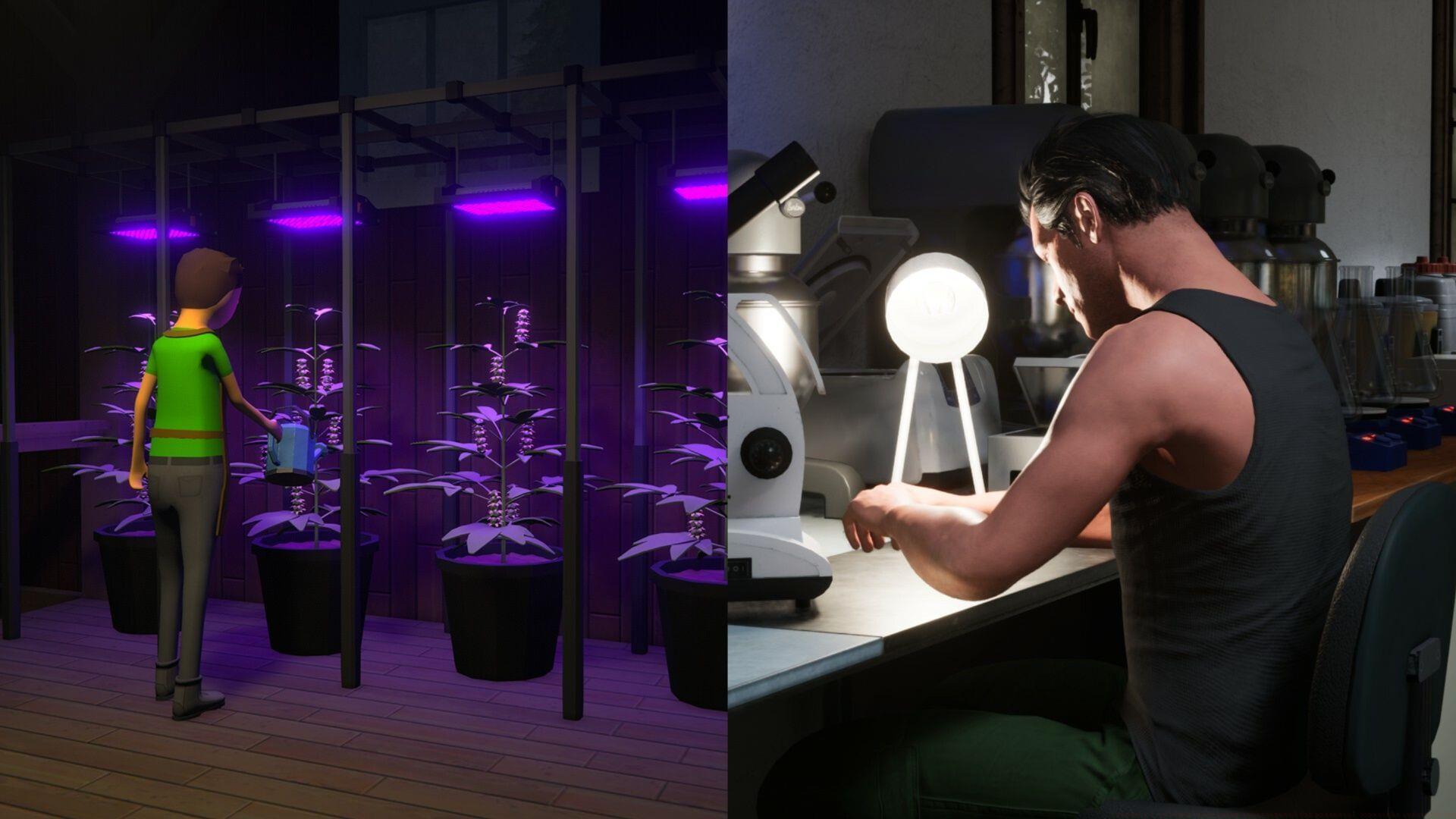
An unexpected development has emerged in the gaming legal landscape, with Schedule 1 currently facing scrutiny for potential intellectual property violations. Developed by TVGS (Tyler’s Video Game Studio), this crime simulation title draws heavy inspiration from the Breaking Bad universe and has generated significant community buzz due to its immersive drug trade mechanics and narrative depth.
Legal analysis indicates that Schedule 1 might have encroached upon Drug Dealer Simulator’s protected intellectual property according to emerging documentation. The core complaint focuses on multiple overlapping elements that allegedly cross copyright boundaries.
Despite TVGS having ambitious update plans and new feature roadmaps prepared, this legal challenge threatens to derail the indie studio’s momentum. Court filings related to the inquiry specifically highlight “narrative progression systems, core gameplay loops, along with user interface design patterns” as the primary investigation targets.
Comparative Gaming Legal Precedents
The investigation process commenced immediately following the game’s marketplace debut on March 25, 2025. Current status suggests the preliminary inquiry hasn’t advanced sufficiently to reveal additional substantive details. However, veteran gamers recognize parallels to previous industry disputes, particularly the high-profile Pokemon versus Palworld copyright confrontation that dominated gaming news cycles.
This isn’t the first time similar legal tensions have surfaced in game development. The Palworld case demonstrated how copyright claims can significantly impact game development trajectories and community perception. Understanding these precedents helps contextualize the current Schedule 1 situation within broader industry patterns of intellectual property protection.
Legal experts note that copyright investigations in gaming often focus on the delineation between inspiration and infringement—a boundary that becomes particularly blurred when games operate within similar thematic genres or mechanical frameworks.
Practical Implications for Players
Should Movie Games S.A. proceed with formal legal action, they must navigate Australian legal frameworks given TVGS’s operational base in Australia. Presently, neither development studio has issued official commentary to confirm or deny the investigation’s existence, leaving the gaming community speculating about potential outcomes.
For current Schedule 1 players, this situation creates uncertainty around future content updates and feature implementations. Community discussions reveal concerns about saved game compatibility, planned feature accessibility, and long-term server availability should legal complications intensify.
Smart players should consider backing up their save files regularly and staying informed through official channels rather than speculation. The developer’s update roadmap might experience delays or modifications depending on how the legal proceedings evolve in coming weeks.
For more information on Schedule 1, follow Sportskeeda:
- How to get rid of items in Schedule 1
- Can you play Schedule 1 on PlayStation and Xbox?
- How to make the best Strains in Schedule 1
Legal Process and Timeline
The Australian legal system introduces specific procedural considerations for this case. Unlike US copyright law, Australian intellectual property regulations emphasize different aspects of creative protection and infringement standards. This jurisdictional factor could significantly influence how the investigation progresses and what evidence carries weight.
Typically, such investigations follow a multi-phase process: initial claim assessment, evidence gathering, formal notice delivery, response period, and potential litigation. The current stage appears to be evidence compilation, based on available information about surfaced legal documents.
Potential outcomes range from case dismissal to settlement agreements or full litigation. Historical gaming industry cases suggest settlement remains the most common resolution, often involving mechanical adjustments, financial compensation, or licensing agreements rather than complete product removal from markets.
No reproduction without permission:SeeYouSoon Game Club » Schedule 1 is reportedly being investigated for potential copyright infringement Understanding the copyright investigation facing Schedule 1 and what it means for Breaking Bad-inspired gaming