
Strategic guide to the 2022 LCS format overhaul and Champions Queue launch: What players need to know
The 2022 LCS Overhaul: Responding to International Struggles
The League of Legends Championship Series (LCS) is undergoing significant structural reform for the 2022 season, marking Riot Games’ latest attempt to elevate North America’s competitive standing. This comprehensive overhaul addresses both competitive format and practice environment deficiencies that have plagued the region.
Following a disappointing 2021 international campaign—highlighted by NA’s historically poor Worlds performance—Riot is implementing dual reforms: revamping the LCS competitive structure and introducing Champions Queue to fix systemic practice problems.
North America’s competitive decline reached a critical point in 2021, with no teams advancing beyond the quarterfinals at the World Championship. This performance gap prompted Riot’s November 16 roadmap announcement, which targets two core issues simultaneously: an oversaturated regular season schedule that contributes to player burnout, and the notoriously low-quality North American solo queue environment that hampers professional development. The solution package represents a recognition that format tweaks alone cannot solve deep-seated regional challenges.
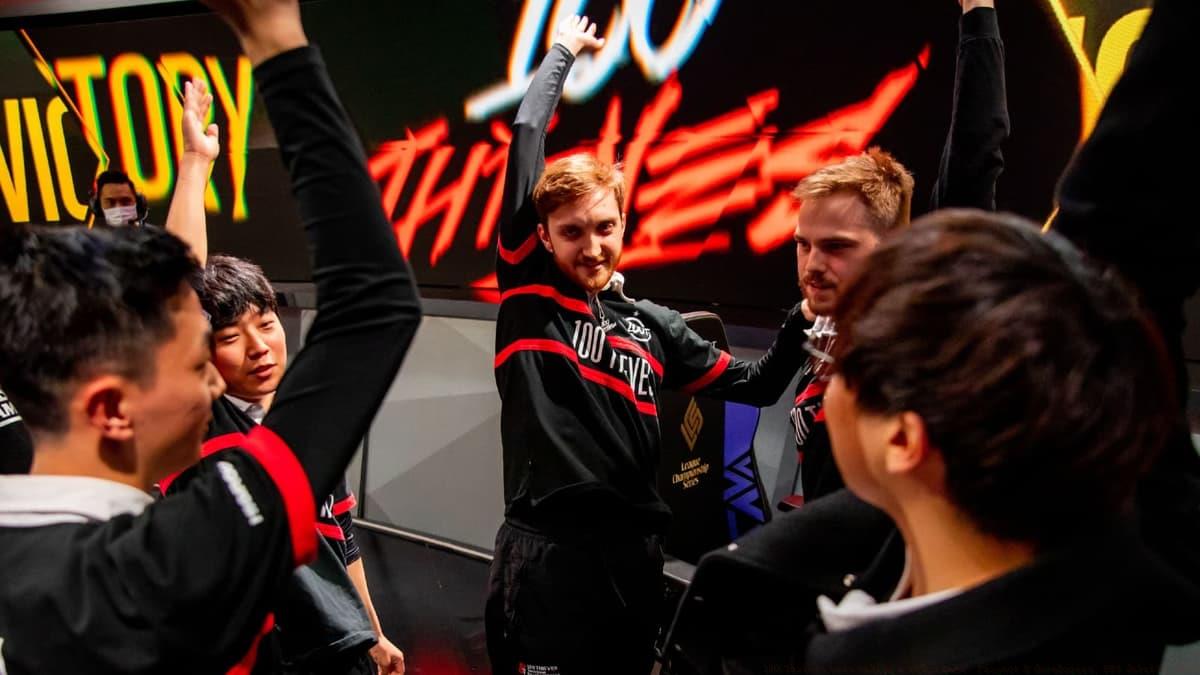 100 Thieves
These structural reforms aim to create conditions where NA teams can develop the consistency needed to challenge top international regions.
Lock In Tournament & Revised Competitive Calendar
Building on its successful 2021 trial, the Lock In tournament returns as the 2022 preseason centerpiece, running from January 14 to January 30. This LAN event at the LCS Studios in Santa Monica provides teams with crucial early-chemistry testing before the Spring Split begins on February 5. Strategically, the tournament offers more than just exhibition matches—it allows organizations to evaluate roster synergy under competitive pressure without split standings consequences.
A major structural change eliminates the combined Spring and Summer standings system, which created controversial scenarios in 2021 where teams like Golden Guardians nearly missed Summer playoffs despite reasonable split performances. Under the new format, each split functions as a distinct competitive phase with its own playoff qualification. This adjustment prevents early-season struggles from permanently derailing a team’s championship hopes, potentially encouraging more aggressive strategic experimentation during Spring.
Riot is implementing a condensed regular season schedule where each team plays others twice per split, reducing the total game count to “help combat player burnout while delivering more meaningful matches for our fans.” The primary competitive rhythm will feature Saturday and Sunday matchdays, with two designated “super weeks” adding Friday matches to increase stakes density. This schedule design acknowledges esports athletes’ need for adequate recovery and practice time between competitive engagements—a frequent complaint under previous formats. https://twitter.com/LCSOfficial/status/1460669353813164035
Practical Tip for Competitors: Teams should approach the Lock In tournament with specific developmental goals rather than pure victory focus. Use this zero-stakes environment to test unconventional drafts, refine early-game sequences, and build team communication patterns. The condensed regular season means each match carries greater weight, requiring more focused preparation between game days.
Champions Queue: A Targeted Fix for NA’s Core Problem
The most innovative 2022 addition is Champions Queue, Riot’s direct response to the longstanding “NA solo queue problem.” This exclusive matchmaking environment operates on west coast servers to minimize ping disadvantages and is restricted to LCS professionals, Academy players, and select high-level competitors. By creating a walled-garden practice ecosystem, Riot addresses years of criticism about the public North American ladder’s insufficient competitive quality.
“For years, we’ve heard and respected the criticism leveled against the North American solo queue environment. It’s been a frequent pain point cited by pro players and aspiring amateurs as an obstacle to their growth,” Riot acknowledged. Champions Queue represents a philosophical shift from hoping public ladder quality improves to actively constructing an optimal practice environment. The west coast server placement specifically targets the geographic disadvantage faced by most professional players concentrated in Los Angeles, who previously experienced 60-80ms ping to central servers.
Initial access will extend to all LCS and Academy competitors, with plans for broader integration of qualified amateur players. This tiered access model ensures the environment maintains high skill density while providing a developmental pathway. Champions Queue will feature visible rankings and potentially unique rewards, creating competitive stakes within the practice environment itself.
Common Mistake to Avoid: Players should not treat Champions Queue as a replacement for structured team practice or vod review. Its greatest value lies in mechanical sharpening, matchup familiarity, and individual skill development—not coordinated team play. The most effective users will set specific improvement goals for their Champions Queue sessions rather than treating it as casual gameplay.
Optimization Tip for Advanced Players: Use Champions Queue to test limit-case scenarios you wouldn’t risk in official matches. Experiment with unconventional rune setups, aggressive trading patterns, or niche champion picks in this consequence-free high-level environment. The condensed regular season format makes in-split innovation riskier, making Champions Queue the ideal laboratory for developing unexpected strategies.
Practical Implications for Players, Teams, and Fans
The 2022 LCS changes create ripple effects across the competitive ecosystem. For players, the condensed schedule demands more efficient time management—with fewer games determining playoff fate, each match requires intensified preparation. The reduction from previous formats means players have more time for Champions Queue practice, vod review, and physical recovery, potentially extending career longevity.
Teams must adapt strategic planning to the new standalone split structure. Spring Split performance no longer guarantees Summer playoff positioning, encouraging organizations to field competitive rosters from season start. The Lock In tournament becomes strategically valuable for testing new player integrations without competitive penalty.
For viewers, the changes promise higher-stakes matches throughout the season. With fewer total games, each regular season encounter carries greater importance for playoff qualification. The two primary weekend matchdays (Saturday/Sunday) create consistent viewing patterns, while super weeks deliver concentrated excitement. Champions Queue may eventually provide additional content through streamed high-level practice matches, offering fans unprecedented access to professional development processes.
Strategic Consideration: Organizations should consider structuring practice weeks around the matchday rhythm—dedicating early week days to Champions Queue individual development, mid-week to team strategy sessions, and pre-match days to specific opponent preparation. This structured approach maximizes the benefits of both the condensed schedule and the new practice environment.
No reproduction without permission:SeeYouSoon Game Club » Riot Games scraps combined LCS seasons in major 2022 format shake-up Strategic guide to the 2022 LCS format overhaul and Champions Queue launch: What players need to know