
Inside Riot’s TFT Set 5 development: From concept to Reckoning’s launch
From Inspiration to Implementation
When Dota Auto Chess emerged in early 2019, it sparked a genre revolution that Riot Games couldn’t ignore. In just 18 weeks, a small team of 12 developers transformed League of Legends’ foundation into Teamfight Tactics – an autobattler that would quickly become a phenomenon. Jordan ‘Wrekz’ Anton recalls those early days as building with “duct tape and popsicle sticks,” yet the team’s rapid prototyping created something special.
From humble beginnings, TFT has evolved through multiple sets – Rise of the Elements, Galaxies, Fates – each refining the formula. Now with Reckoning, Riot demonstrates their mastery of the genre they once sought to emulate.
The development cycle for Reckoning began almost immediately after Fates launched in September 2020. While players were still discovering Set 4’s mechanics, the team was already brainstorming themes for Set 5. This overlapping development cycle ensures continuous content delivery while maintaining quality – a challenging balance few games achieve.
 Riot Games
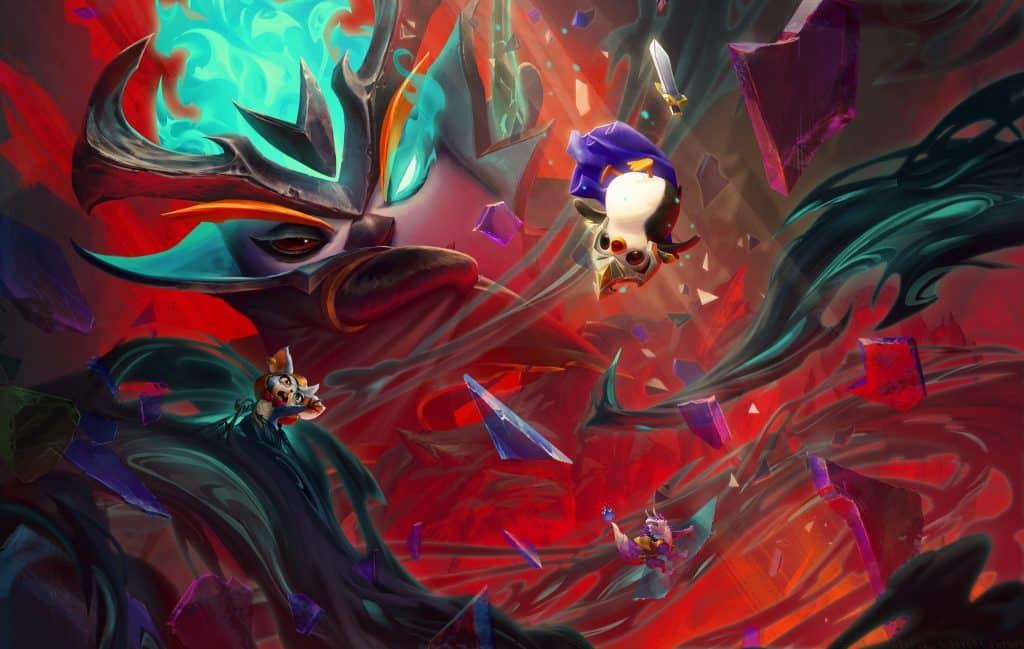
Reckoning represents both an evolution of TFT’s mechanics and Riot’s growing confidence in the autobattler space.
Designing the Reckoning Experience
The theme selection process for Reckoning was more data-driven than ever before. “We gather all discipline leads and select the theme that’s most exciting for both players and our team,” explained senior developer Xavier Fabre. Player surveys helped validate internal pitches, with the “Good vs Evil” concept emerging as the clear favorite.
Visual development began simultaneously with game design – establishing color palettes, mood boards, and thematic pillars while determining champion rosters and traits. This parallel workflow allows for cohesive theming where mechanics and aesthetics reinforce each other.
 Riot Games
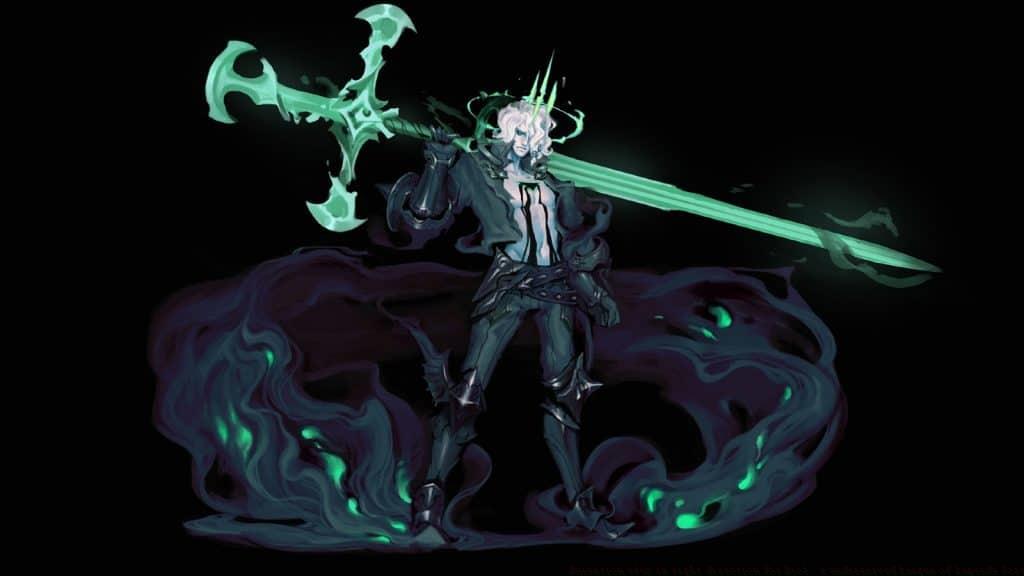
Close coordination with League’s Champions team ensured Reckoning’s release aligned with Viego’s thematic.
Prototyping moved quickly, with playtesting expanding from internal teams to wider Riot employees. Developer Christine Lai notes: “Different pods on the team participate at different stages,” allowing specialized focus areas to contribute when most relevant. This modular approach maintains momentum throughout the development cycle.
Evolution of Player Agency
Reckoning represents Riot’s most significant step yet in addressing player complaints about excessive randomness. Design lead Matthew ‘Wittrock’ Wittrock explained: “Player agency is critical for any competitive game.” Shadow Items provide more build flexibility while the Armory system offers greater control over item acquisition.
The team experimented with several mechanics before settling on Shadow Items, including “Relics” (enhanced standard items) and a Good/Evil alignment system. These iterations demonstrate Riot’s willingness to test radical ideas before implementing the most promising ones.
 Riot Games
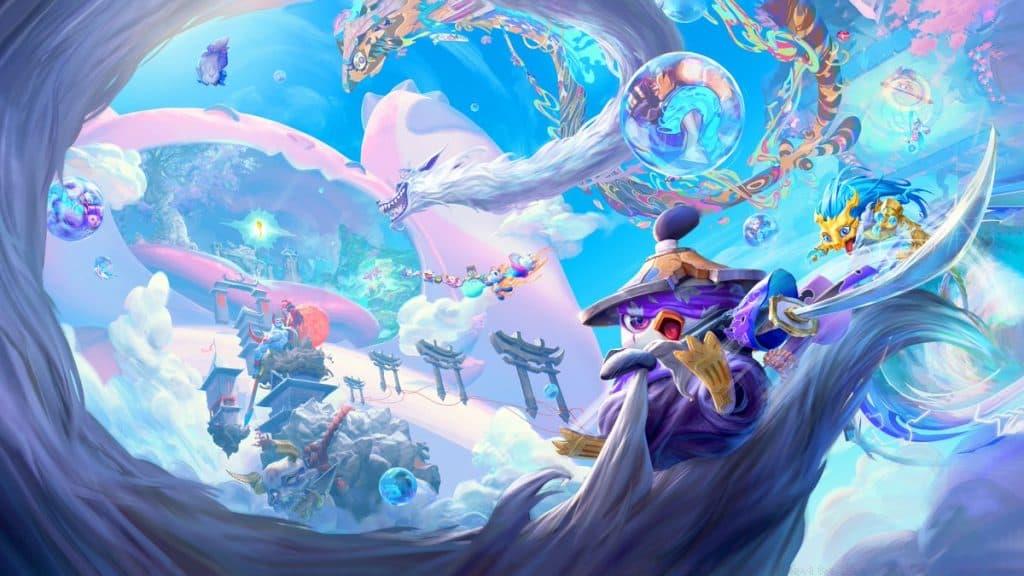
Shadow Items dramatically expand strategic possibilities compared to previous sets’ mechanics.
With 10 million daily players, TFT has reached a stability that allows for more ambitious design risks. Product lead TJ ‘GreenTeej’ Bourus notes they’ve found a good rhythm with biannual sets and midset updates, but remain flexible: “The exact length of different stages within a set may shift over time.”
The Future of TFT
As Reckoning settles into the live environment, the team is already contemplating future directions. While Stephen ‘Mortdog’ Mortimer has joked about plans up to Set 12, developers maintain a more pragmatic outlook. Christine Lai reveals they “have a couple ideas floating around,” while keeping the process open to team-wide pitches.
The emotional connection between developers and players remains strong. “Surreal is one word, grateful is another,” GreenTeej reflects on TFT’s success. This mutual appreciation fuels ongoing innovation while preserving the core experience Wittrock described as “observing a Bronze teamfight” – chaotic yet comprehensible.
 Riot Games
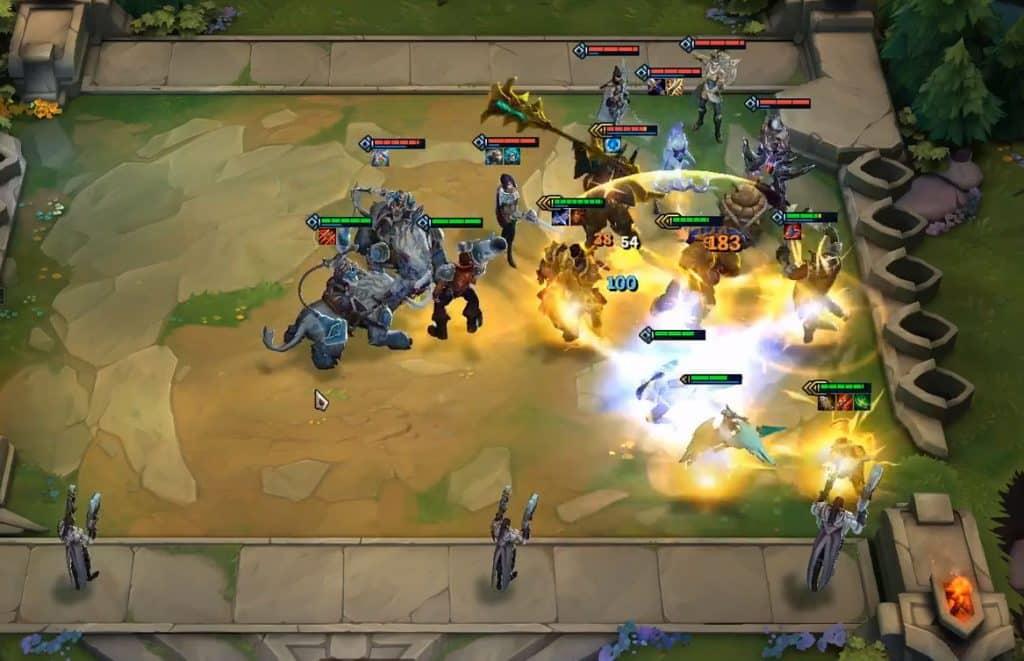
From experimental prototype to genre leader, TFT’s journey reflects Riot’s development philosophy.
Looking ahead, Riot plans to maintain their iterative approach – learning from each set while staying open to fundamental changes. As Fabre notes: “New things are what keep TFT awesome!” This balance between consistency and innovation will determine whether TFT remains a “game for years to come.”
No reproduction without permission:SeeYouSoon Game Club » Riot exclusive: How TFT Set 5 is a launchpad for LoL autobattler’s bright future Inside Riot's TFT Set 5 development: From concept to Reckoning's launch