
How Resident Evil Requiem’s return to Raccoon City redefines survival horror for modern players
The Raccoon City Renaissance
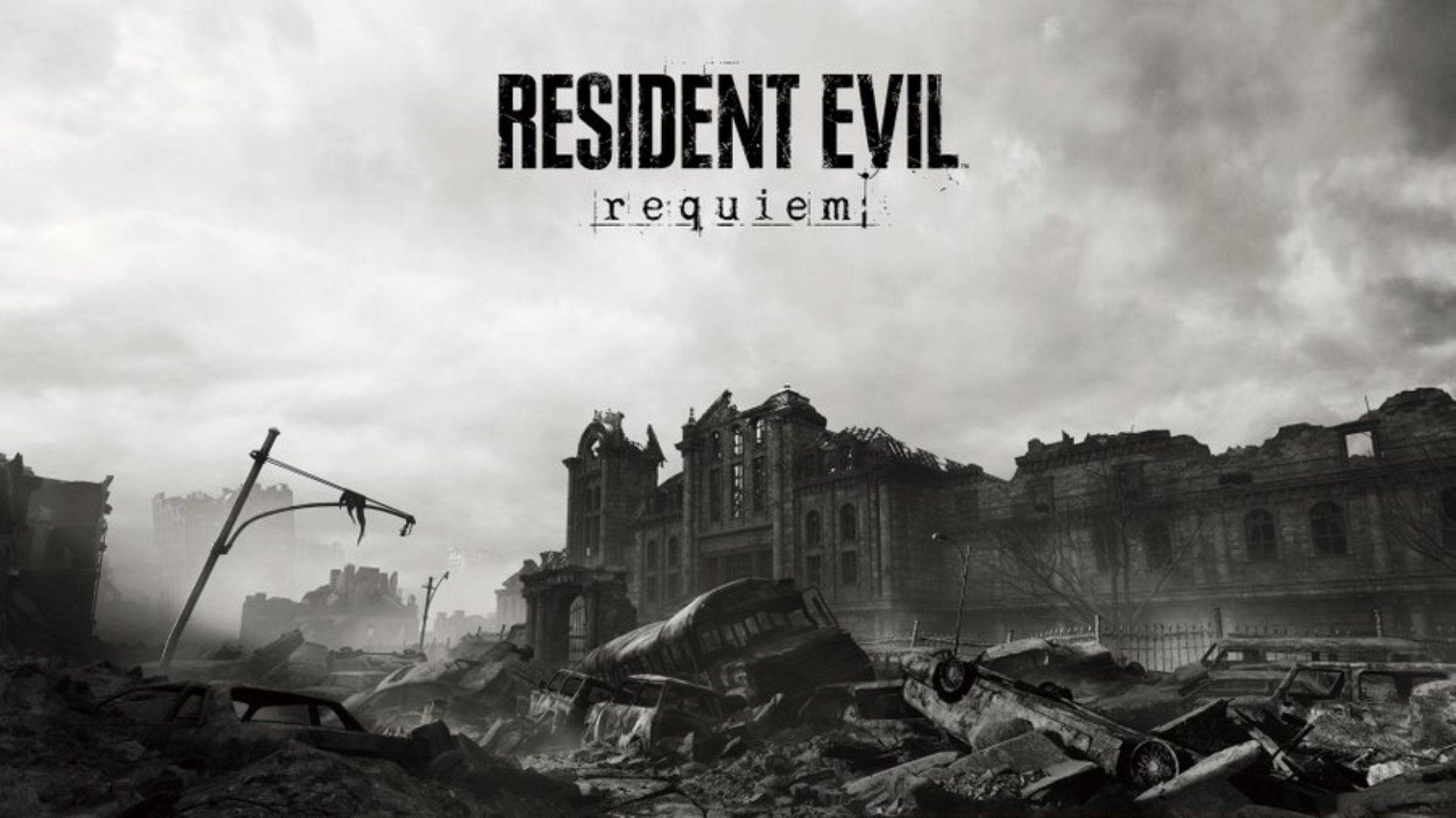
During Gamescom Asia 2025, Masawa Kumazawa (Producer) and Koshi Nakanishi (Director) revealed their vision for Resident Evil Requiem—a deliberate return to the atmospheric horror that originally catapulted the series to fame. Unlike recent globe-trotting installments, this upcoming title narrows its focus to the psychologically rich environment of Raccoon City, where cramped corridors and limited resources created unparalleled tension.
The development team’s commitment to revisiting this iconic setting signals a recognition of what veteran players cherish most: the claustrophobic environments, resource scarcity, and narrative-driven horror that defined the series’ golden era. This strategic direction acknowledges that while expansive locales offer variety, they often dilute the concentrated fear factor that made early Resident Evil titles so memorable.
What Makes Raccoon City Special
The Raccoon City Incident represents more than just a location—it’s the emotional core of the Resident Evil universe. This setting introduced players to the series’ signature blend of biological horror and survival mechanics, creating moments that have lingered in gamers’ memories for decades. The confined police stations, abandoned laboratories, and zombie-infested streets established a template that countless horror games have since emulated.
Modern players often overlook how revolutionary these environments felt during the original releases. The limited camera angles, while occasionally frustrating, masterfully concealed threats and built anticipation. Resident Evil Requiem appears poised to recreate this atmospheric tension while leveraging current technology to eliminate the technical limitations that sometimes hampered the classic experience.
Critical to this approach is maintaining what developers call “calculated vulnerability”—the delicate balance between player capability and overwhelming threat that defines superior survival horror. This philosophy ensures that while controls and visuals will meet contemporary standards, the essential feeling of being barely equipped to survive remains intact.
Gameplay Evolution Strategy
The developers’ emphasis on avoiding a return to tank controls demonstrates their understanding of modern gaming expectations. While nostalgic elements have their place, clunky movement systems that frustrated even original players won’t make a comeback. Instead, expect refined third-person navigation similar to Resident Evil 2 and 3 remakes, combined with inventory management that rewards strategic thinking rather than punishing players arbitrarily.
Advanced players should prepare for nuanced gameplay mechanics that go beyond simple zombie disposal. Environmental interaction will likely play a crucial role, with destructible elements and multi-path scenarios creating replay value. The development team’s comments suggest they’re studying why certain classic Resident Evil puzzles remain beloved while others felt like unnecessary obstacles.
Common mistakes in survival horror gaming include over-conservation of resources and under-utilization of environmental advantages. Veteran players often hoard ammunition and healing items for “emergencies” that never arrive, while newcomers frequently miss subtle audio and visual cues that signal impending encounters. Resident Evil Requiem will probably incorporate tutorial elements that gently guide players toward optimal playstyles without compromising the series’ challenging nature.
Survival Horror Mastery Guide
Optimization in survival horror requires understanding the game’s resource economy. Instead of engaging every enemy, strategic evasion conserves ammunition for unavoidable confrontations. Pay attention to enemy behavior patterns—many creatures in Resident Evil games have specific attack telegraphs that alert observant players to incoming threats.
Environmental mastery separates competent survivors from perpetual victims. Note breakable walls, alternative routes, and interactive elements that might provide tactical advantages. The Raccoon City setting traditionally featured numerous hidden passages and secret items for thorough explorers.
Inventory management remains crucial—balance healing items, weapons, and key items without overcrowding your storage. Modern Resident Evil titles typically provide more flexibility than classics, but strategic packing still determines mission success. Consider creating “loadout templates” for different mission types once you understand the game’s structure.
Explore additional gaming insights through our comprehensive Gamescom Asia 2025 coverage
No reproduction without permission:SeeYouSoon Game Club » Resident Evil Requiem will focus on a classic storyline instead of being inspired by other titles/media, says developers [Exclusive] How Resident Evil Requiem's return to Raccoon City redefines survival horror for modern players