
TL;DR
- Start by mastering your Pokemon’s class role before customizing builds
- Understand physical vs special attack mechanics for optimal item selection
- Coordinate move choices with held items for maximum synergy effects
- Avoid mixing offensive and defensive items on specialized Pokemon
- Practice timing and positioning to complement your build strategy
Once you’ve moved beyond the fundamental MOBA mechanics in Pokemon Unite, the next critical step involves mastering the art of creating personalized character builds that maximize your competitive potential.
While Pokemon Unite streamlines traditional MOBA complexity, it retains the genre’s core strategic depth where high-level gameplay revolves around meticulously crafted builds with nuanced variations and counter-play dynamics. Elite competitors have already established meta strategies for optimal gear combinations and ability selections, but independent builders can leverage several proven principles to enhance their character performance.
Constructing an effective Pokemon Unite configuration begins with clearly defining your intended battlefield function. This foundational understanding starts with comprehending your Pokemon’s designated class category—whether Attacker, Defender, or other specialization. This classification determines your team contribution archetype, which subsequently guides all other build decisions. Selecting a Defender, for instance, yields dramatically better results when you align every component—from ability choices to held items—with defensive priorities.
With this strategic framework established, here’s your comprehensive guide to developing superior builds. For additional insights, explore our complete collection of Pokemon Unite tutorials, featuring comprehensive class analyses.
The game provides clear structural guidance through five distinct class archetypes:
- Attacker – High-damage specialists focused on eliminating opponents through superior offensive capabilities
- Defender – Durable Pokemon excelling at area denial and protecting allies
- All-Rounder – Adaptable fighters capable of switching combat roles as situations demand
- Speedster – Agile specialists designed to rapidly secure strategic map positions
- Supporter – Utility-focused Pokemon specializing in healing teammates or hindering enemies
Understanding the distinction between physical and special attackers represents a crucial advancement in build optimization that many intermediate players overlook. This damage type differentiation directly influences which held items and battle strategies will prove most effective.
| Physical Attackers: | Special Attackers: |
|---|---|
|
|
Physical attackers benefit tremendously from items like Muscle Band and Attack Weight, which directly amplify their basic attack damage and scaling. These Pokemon typically excel at sustained damage output through auto-attacks and physical ability combinations.
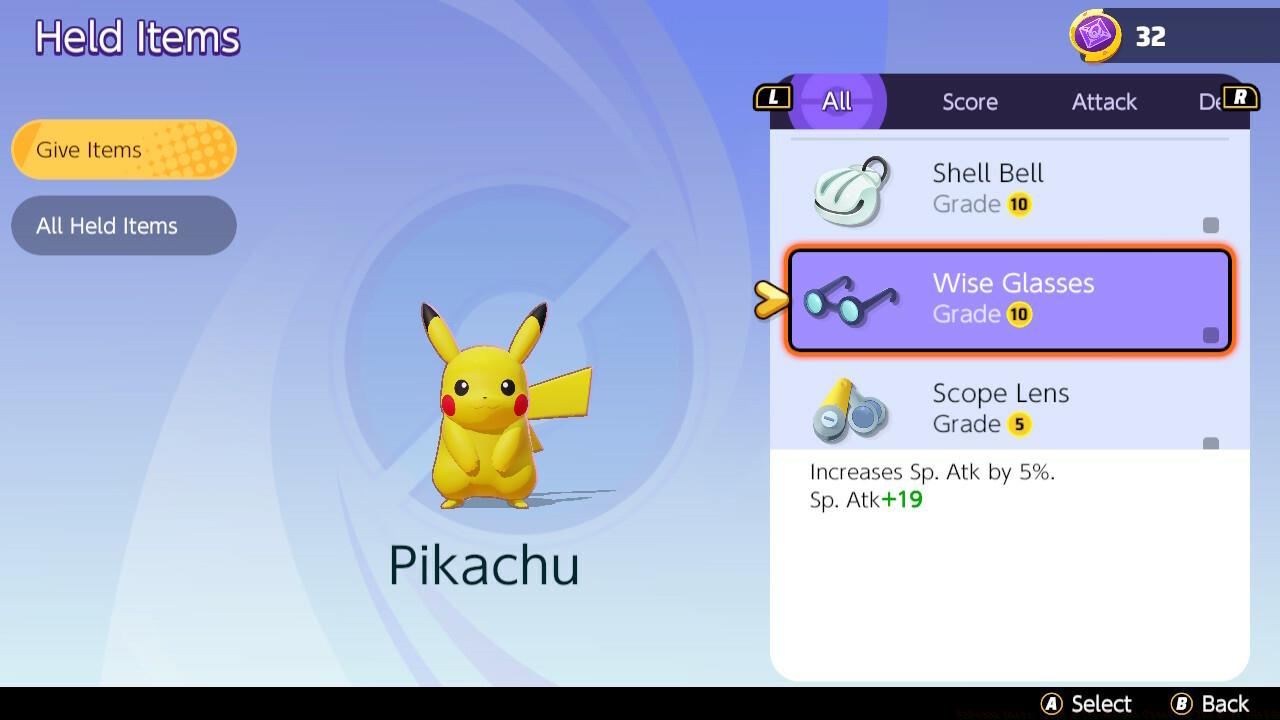
Special attackers, conversely, achieve peak performance with items such as Wise Glasses and Special Attack Specs, which enhance their ability-based damage. These characters often specialize in burst damage or control effects that can dictate engagement terms.
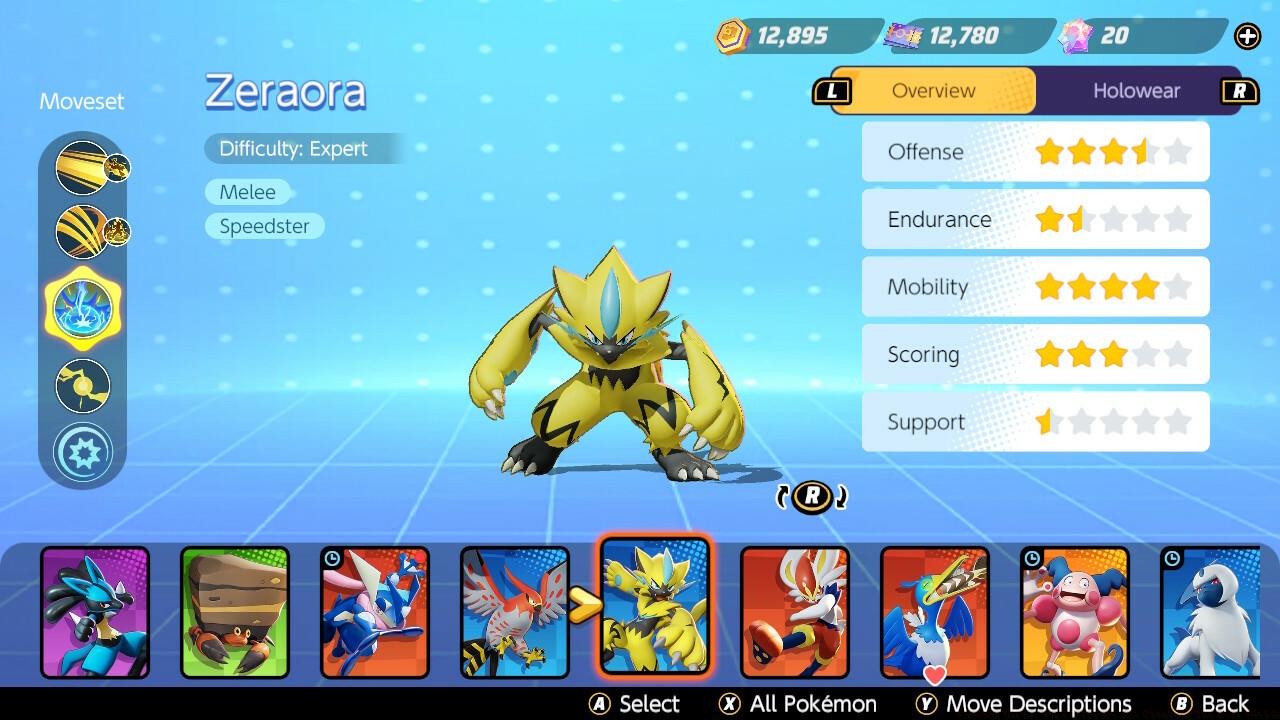
A common mistake involves equipping special attack items on physical attackers (or vice versa), resulting in significant performance degradation. Always verify your Pokemon’s primary damage type before committing to item investments.
Moving beyond basic class comprehension, advanced build optimization requires synthesizing multiple game systems into a cohesive strategy. This involves aligning your move selections, held items, and battle item into a synergistic package that amplifies your Pokemon’s strengths.
Move Selection Strategy: Your choice between branching move paths should complement both your playstyle and team needs. For example, Snorlax players must choose between Heavy Slam’s area control and Yawn’s disruption utility—each supporting different defensive approaches.
Held Item Synergy: The most effective builds coordinate three held items that mutually reinforce your primary combat function. Attackers might combine Scope Lens for critical hits with Muscle Band for sustained damage, while Defenders could pair Focus Band with Buddy Barrier for enhanced survivability.
Battle Item Coordination: Your chosen battle item should address your build’s weaknesses or amplify its strengths. Eject Button provides mobility for immobile attackers, while Potion offers additional sustain for frontline defenders.
Advanced players also consider enemy team composition when finalizing builds. Against multiple special attackers, Assault Vest becomes significantly more valuable, while teams with high mobility might warrant Full Heal to prevent crowd control lockdown.
Many players struggle with build optimization due to several recurring errors that undermine their effectiveness. Recognizing these pitfalls early can dramatically accelerate your improvement curve.
Role Confusion: Attempting to build Attackers as pseudo-Defenders or vice versa typically results in mediocre performance. Each class has clearly defined strengths—respect these boundaries while maximizing within your specialization.
Item Misapplication: Equipping items that don’t synergize with your Pokemon’s damage type or intended role represents the most common optimization error. Always prioritize items that directly enhance your primary function.
Timing Misjudgment: Even perfect builds require proper execution. Understanding when to engage, retreat, or secure objectives is equally important as your item selections.
Over-Specialization: While focusing on your primary role is crucial, completely neglecting survivability on fragile attackers often leads to frequent defeats. Balance extreme specialization with sufficient durability to execute your role effectively.
For players transitioning to more complex strategies, our Class Guide provides deeper insights into role mastery and team dynamics that complement build strategies.
Action Checklist
- Identify your Pokemon’s primary damage type (physical vs special) and class role
- Select held items that synergize with both damage type and intended battlefield function
- Coordinate move selections with item choices to create synergistic effects
- Test your build in practice matches and adjust based on performance gaps
- Analyze enemy team compositions and adapt your build for counter-play opportunities
No reproduction without permission:SeeYouSoon Game Club » Pokemon Unite: Tips & Tricks For Creating The Best Builds Master Pokemon Unite character builds with expert strategies, optimization tips, and common pitfalls to avoid