
Discover how a talented artist recreated Pokemon Sword & Shield’s Galar region in Game Boy Color style with nostalgic pixel art animations
The Artist Behind the Pixel Magic
Have you ever imagined how Pokemon Sword & Shield’s vibrant Galar region would translate to the limited color palette and resolution of a Game Boy Color? Digital artist Sindorman has brought this fascinating concept to life through meticulously crafted pixel art animations that capture the essence of classic Pokemon gaming.
Sindorman’s remarkable talent for reinterpreting modern Pokemon content through a retro lens has generated tremendous excitement across the gaming community, with his animations quickly going viral for their nostalgic charm and technical precision.
While Pokemon Sword & Shield represent the current generation of main series titles with their expansive 3D environments and detailed character models, Sindorman’s work demonstrates how effectively the United Kingdom-inspired Galar region translates to pixel art. The project specifically reimagines Postwick, the quaint farming community where players begin their journey, through the constrained but charming visual language of 1990s handheld gaming. What makes Sindorman particularly qualified for this retro transformation is his established reputation for creative reinterpretations—he has previously adapted everything from Disney characters to drag queens as Pokemon Trainers, showcasing versatile artistic range.
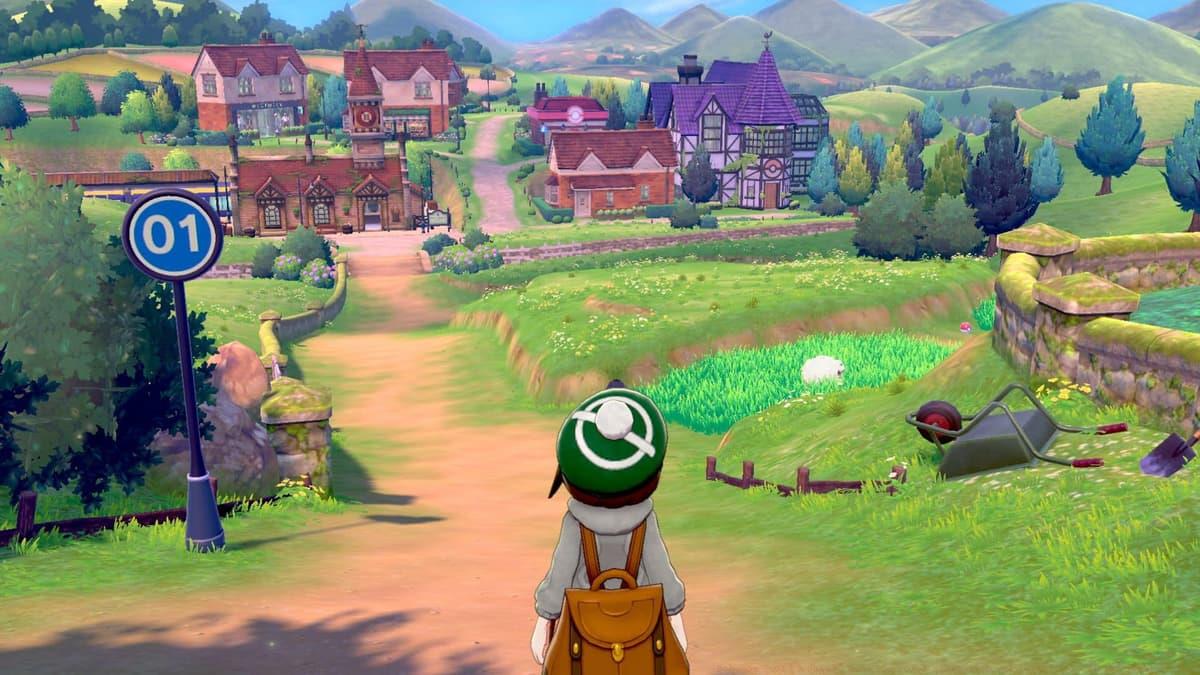 Game Freak
The Galar region maintains its distinctive character and charm when rendered through both modern 3D graphics and classic pixel art aesthetics.
Galar Region: Then and Now
Sindorman’s viral Twitter post, which amassed over 37,000 likes at the time of publication, meticulously recreates one of Sword & Shield’s most memorable early sequences—the pivotal moment where new Trainers select their starter Pokemon. The pixel art versions of Grookey, Scorbunny, and Sobble retain their distinctive personalities and appeal despite the simplified visual style, demonstrating how strong character design transcends graphical limitations. The animation also provides our first glimpse at how Hop, the player’s enthusiastic neighbor and rival, would have appeared in a classic Pokemon adventure.
https://twitter.com/sindorman/status/1479986120377131009 Following the initial success, Sindorman expanded the project to include another crucial story moment—the first encounter with the antagonistic Team Yell and their admired leader Marnie, who has emerged as one of Sword & Shield’s most beloved characters. This additional scene further demonstrates how the artist captures not just visual elements but the emotional tone and narrative significance of key moments. https://twitter.com/sindorman/status/1480677107260923908 It’s important to clarify that these creations represent artistic animations rather than functional game builds, as Sindorman explicitly noted they were “just an animation made by yours truly in Photoshop.”
Key Scenes Recreated
Despite being non-playable animations, Sindorman’s work offers a compelling glimpse into an alternate gaming history where the Galar region and its three starter Pokemon debuted during the handheld gaming golden age of the 1990s. The project successfully taps into potent nostalgia while demonstrating how core Pokemon elements—character personality, regional identity, and narrative moments—remain effective regardless of graphical fidelity. This retro reimagining has sparked considerable discussion about the potential for entirely new Pokemon games embracing pixel art aesthetics, though for now fans must look forward to Pokemon Legends: Arceus, scheduled for Nintendo Switch release on January 28.
For aspiring pixel artists interested in similar projects, understanding color limitation strategies is crucial. The Game Boy Color’s palette restrictions—typically 4 colors per 8×8 pixel tile with only 10 simultaneous colors per background—require creative approaches to conveying depth and detail. Studying authentic Game Boy Color games like Pokemon Crystal provides essential insight into how professional developers worked within these constraints while maintaining visual appeal and clear character differentiation.
The Impact and Community Response
The viral success of Sindorman’s Galar region animations highlights several important trends in gaming culture. First, it demonstrates the enduring appeal of retro aesthetics and the strong emotional connection players maintain with earlier gaming eras. Second, it shows how talented artists can bridge generational gaps in gaming, creating works that resonate with both longtime fans who grew up with pixel art and newer players familiar with modern 3D graphics.
Common pitfalls for artists attempting similar retro transformations include misunderstanding authentic color palettes, improperly scaling sprites, or failing to capture the distinctive “feel” of the target platform. Successful retro recreations require both technical knowledge of the original hardware limitations and artistic sensitivity to what made those games visually appealing despite their constraints.
For advanced creators looking to expand on this concept, consider exploring how other Sword & Shield elements might translate to retro aesthetics. The Wild Area’s expansive environments, Dynamax battles’ scale implications, and the Pokemon Camp feature all present fascinating challenges for pixel art interpretation. Studying the evolution of Pokemon art styles from Red and Blue through the DS era provides valuable insights into how the series has balanced technological advancement with consistent visual identity.
No reproduction without permission:SeeYouSoon Game Club » Pokemon Sword & Shield Game Boy Color recreation goes viral for all the right reasons Discover how a talented artist recreated Pokemon Sword & Shield's Galar region in Game Boy Color style with nostalgic pixel art animations