
TL;DR
- Boredom reduces character performance through unhappiness penalties affecting action speed
- Outdoor activities provide immediate boredom relief regardless of specific action type
- Food variety significantly impacts mood – complex meals outperform repetitive canned goods
- Reading materials and electronic entertainment offer safe indoor alternatives when power is available
- Proactive boredom management prevents performance degradation during critical survival moments
Surviving the zombie apocalypse presents unique psychological challenges beyond physical threats. While establishing secure shelter and stockpiling resources are essential, many survivors overlook the gradual erosion of their character’s mental wellbeing.
The bored moodle represents more than just temporary dissatisfaction – it directly impacts your survival capabilities. When boredom accumulates, it transforms into unhappiness, which manifests as tangible gameplay penalties. Your character will execute actions with reduced efficiency, from combat maneuvers to crafting tasks, potentially compromising safety during critical moments.
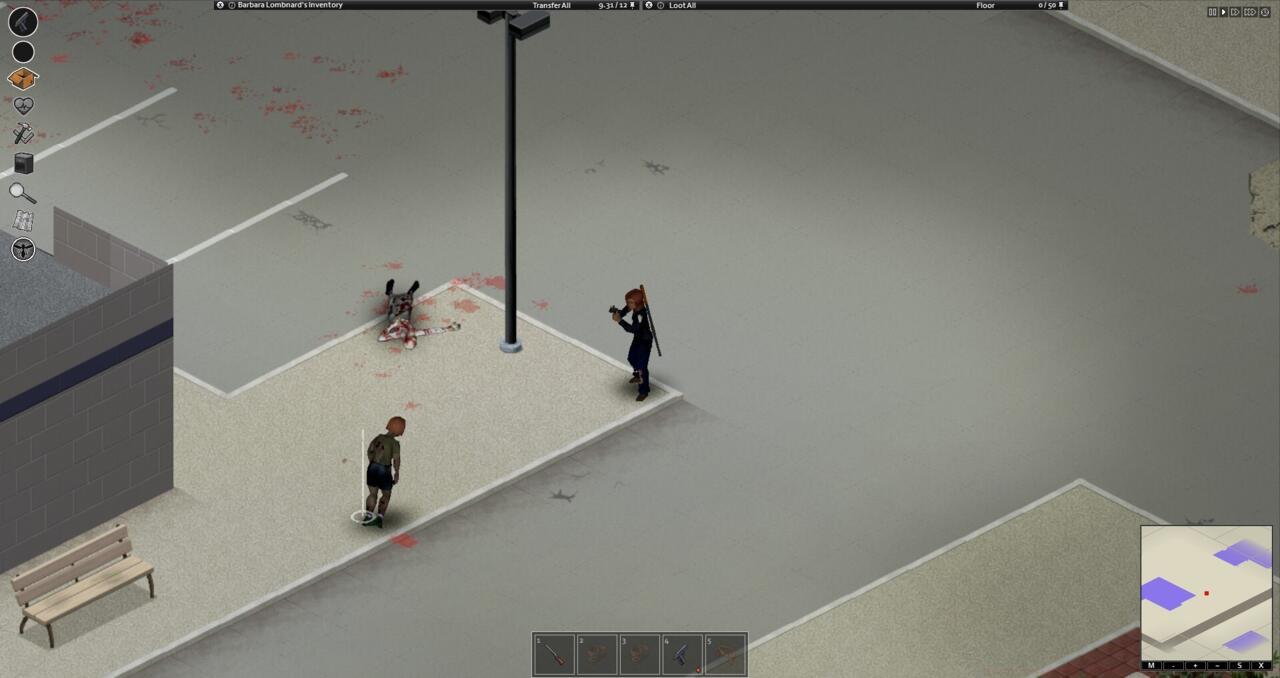
Many players mistakenly believe boredom is a minor concern, but experienced survivors recognize its compound effects. Extended periods of boredom can reduce action speed by up to 30%, making routine tasks like boarding windows or treating injuries dangerously slow when zombies are nearby.
Confinement within secure locations, while safe from the undead, creates psychological stagnation for your character. The primary source of entertainment deprivation stems from extended indoor stays, regardless of how well-fortified your shelter might be.
Venturing outside provides immediate psychological benefits through environmental stimulation. The key principle is activity diversity rather than specific action types. Whether you’re engaging in zombie combat, practicing driving skills, or performing physical exercises, the outdoor setting itself triggers boredom reduction.
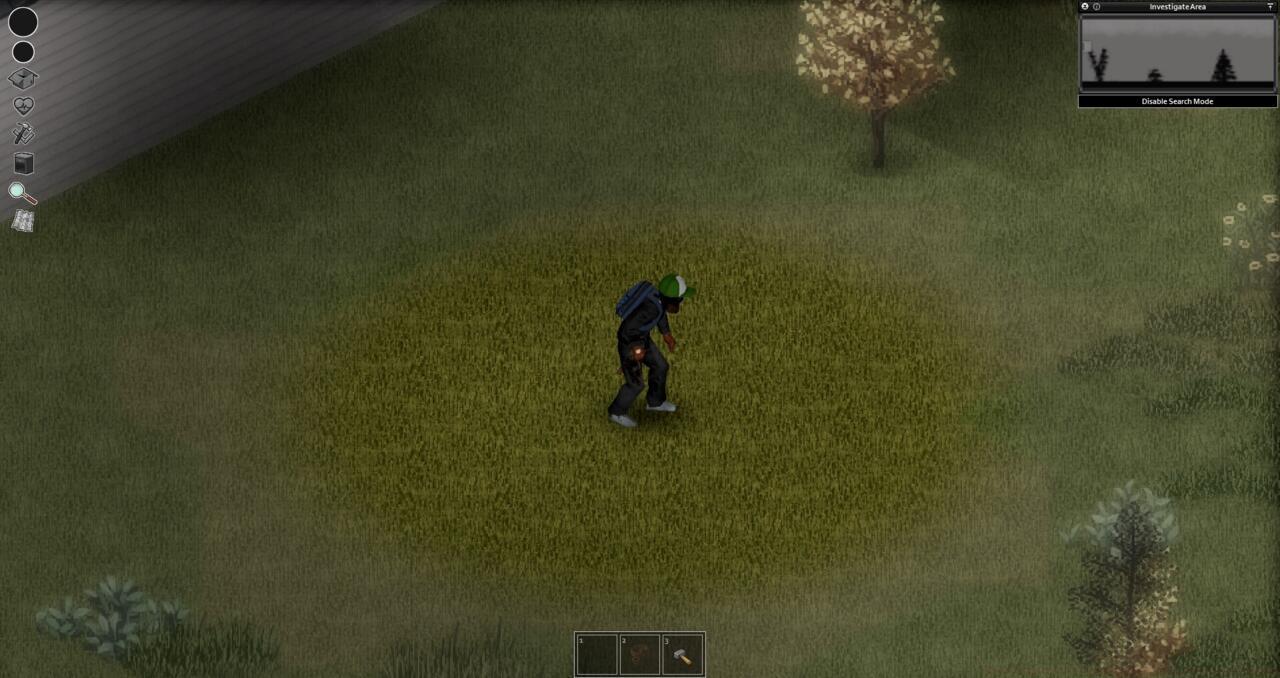
Strategic outdoor time management is crucial – brief 15-20 minute excursions can reset boredom meters without excessive risk. Plan routes through previously cleared areas and avoid high-density zones unless properly equipped. Many survivors make the mistake of staying outdoors too long, trading boredom relief for unnecessary danger.
Advanced players combine outdoor activities with resource gathering missions, addressing multiple survival needs simultaneously. Scouting for supplies while combating boredom creates efficient gameplay loops that maximize limited daylight hours.
Monotonous nutrition represents one of the most overlooked contributors to character dissatisfaction. Repeated consumption of identical food items, particularly canned goods, creates cumulative boredom penalties that many players attribute to other factors.
Food preparation complexity directly correlates with mood improvement. Meals incorporating 3+ ingredients provide substantially greater entertainment value than simple canned foods. The cooking process itself offers additional boredom reduction, making kitchen activities doubly beneficial.
When infrastructure collapses and perishable food spoils, foraging becomes essential for both nutrition and psychological health. Edible berries, herbs, and other wild foods not only sustain your character physically but also break dietary monotony.
Seasoned survivors maintain dedicated food rotation systems, ensuring no single food type dominates their diet. A common mistake involves over-relying on abundant canned goods early game, creating entrenched boredom patterns that become difficult to reverse later.
Preservation techniques like drying, smoking, and canning allow for maintaining food diversity during extended survival scenarios. Planning seasonal foraging expeditions ensures continuous access to fresh ingredients that combat both hunger and boredom simultaneously.
During inclement weather or nighttime hours when outdoor activities pose excessive risk, indoor entertainment systems provide crucial psychological maintenance. Reading materials offer the most reliable option, with varying entertainment values based on publication type and condition.
Skill books deliver dual benefits – they reduce boredom while accelerating proficiency development in critical survival abilities. This makes them particularly valuable during extended shelter periods, transforming downtime into skill advancement opportunities.
Electronic entertainment requires functional infrastructure but delivers superior boredom reduction. Television programs and radio broadcasts provide passive entertainment that doesn’t consume character energy, making them ideal for recovery periods.
VHS tapes represent high-value entertainment items, providing hours of distraction from single acquisitions. However, their utility diminishes as power grids fail, making them early-game priorities for collection and use.
A strategic approach involves maintaining entertainment caches in multiple safe locations, ensuring access regardless of current position. Many experienced survivors deliberately scavenge entertainment items with the same priority as medical supplies, recognizing their long-term importance.
Proactive boredom management separates novice survivors from veterans. Rather than reacting to moodle appearances, establish routines that incorporate entertainment naturally into daily survival activities.
During initial survival phases, boredom management takes secondary priority to immediate threat neutralization. However, establishing good habits early prevents compound performance issues as your survival timeline extends.
Time-block your day to include dedicated entertainment periods, similar to real-world psychological maintenance. Brief 30-minute sessions spread throughout the day prove more effective than extended single periods.
Advanced techniques include boredom forecasting – anticipating periods of confinement due to weather or horde movements and preparing appropriate entertainment resources in advance.
Remember that while early survival focuses on brute force endurance, long-term thriving requires sophisticated psychological management. Your character’s mental state directly influences survival capability, making boredom prevention as crucial as zombie defense.
Action Checklist
- Schedule daily 20-minute outdoor excursions regardless of immediate needs
- Establish food rotation system with minimum 3-day variety cycle
- Collect and distribute entertainment materials across multiple safe locations
- Implement time-blocking with dedicated 30-minute entertainment sessions
- Monitor boredom moodle progression and intervene before unhappiness develops
No reproduction without permission:SeeYouSoon Game Club » How To Improve The Boredom Moodle In Project Zomboid Comprehensive guide to managing boredom and maintaining character happiness in Project Zomboid survival scenarios