
TL;DR
- Experience is earned through exploration and crafting, not just battling
- Manual evolution initiation replaces automatic level-based evolution
- Stealth backstrikes dramatically increase capture success rates
- Alpha Pokemon require careful preparation and strategic engagement
- Time-sensitive Pokemon can be accessed through strategic resting at camps
Pokemon Legends: Arceus represents a fundamental transformation of the traditional Pokemon formula, blending familiar RPG elements with groundbreaking mechanics that redefine monster collection. This prequel adventure transports you to ancient Sinnoh—now called the Hisui region—where you’ll pioneer the creation of the first Pokedex through extensive wilderness exploration and innovative capture techniques.
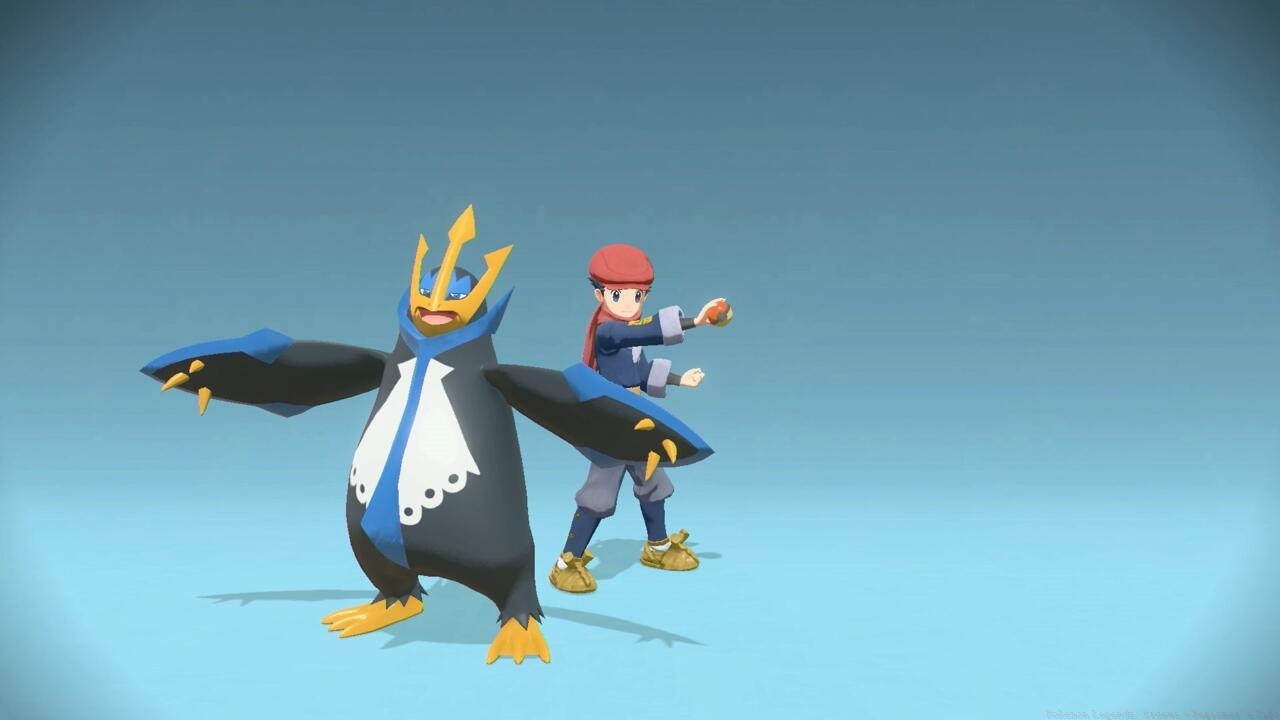
While veteran trainers will recognize core concepts like type advantages and evolution, many established skills require significant adaptation. The shift from structured routes to expansive open areas demands new approaches to navigation, Pokemon interaction, and resource management that prioritize observation and strategic planning over brute force battling.
The progression system in Pokemon Legends: Arceus fundamentally reimagines how your team gains strength. Unlike traditional games where combat serves as the primary experience source, this installment rewards diverse activities including resource gathering, crafting, and successful captures. Your entire party receives shared experience from nearly every action, creating organic leveling through natural exploration.
Passive experience accumulation occurs through multiple channels: capturing wild Pokemon (even without engaging in battle), harvesting crafting materials from the environment, and completing research tasks for the Pokedex. Even seemingly minor actions like gathering Apricorns by striking trees contribute meaningful progress, allowing trainers to strengthen their teams through comprehensive engagement with the world rather than repetitive grinding.
Advanced players should prioritize multi-purpose activities that simultaneously advance multiple objectives. For example, targeting Pokemon that drop valuable crafting materials while also completing Pokedex research tasks maximizes efficiency. A common mistake is overlooking the experience value of crafting—creating Poke Balls and healing items not only provides essential resources but also steadily boosts your team’s levels.
Evolution operates on a player-initiated system rather than automatic level triggers in Pokemon Legends: Arceus. When your Pokemon reach the required experience threshold, a small evolution indicator appears in your party menu, signaling readiness for transformation. You must then manually select the “Evolve” option to commence the process, giving you complete control over timing and strategic deployment.
This manual evolution system provides significant tactical advantages. You can delay evolution to learn specific moves available only to pre-evolved forms, or time transformations to coincide with challenging encounters. Evolved Pokemon receive substantial base stat improvements that enhance both offensive capabilities and defensive resilience, making evolution timing a critical strategic consideration.

Each evolution also contributes to Pokedex completion by registering the new form. Strategic evolution planning should consider both immediate combat needs and long-term research objectives, balancing power spikes with completion requirements.
Poke Ball technology in the Hisui region reflects the pioneering nature of Pokemon capture. Traditional battle-dependent variants like Quick Balls are absent since combat plays a reduced role in capture mechanics. Instead, specialized balls designed for specific environmental and situational challenges dominate the arsenal.
The Feather Ball excels at long-distance throws, allowing you to capture flying Pokemon or skittish ground-dwellers from safe distances. Conversely, the Heavy Ball delivers exceptional capture rates when you successfully surprise Pokemon from behind, though it requires close proximity and precise timing to deploy effectively.
Understanding ball specialization dramatically improves capture efficiency. Feather Balls work best for open areas where maintaining distance is crucial, while Heavy Balls prove ideal for stealth approaches in confined spaces. Intermediate players often struggle by not matching ball types to situations—using standard balls for difficult captures when specialized options would succeed.
Stealth represents your most powerful asset for successful Pokemon capture in Legends: Arceus. The backstrike mechanic—striking a Pokemon from behind without detection—functions as a critical capture multiplier, significantly boosting success probabilities regardless of ball type used. This makes positioning and awareness more valuable than raw power in many capture scenarios.
Vigilant observation of detection indicators above targeted Pokemon provides crucial information about their awareness state. When this indicator turns red with an eye symbol, the Pokemon has become aggressive and will resist capture attempts until either weakened through battle or you retreat and re-approach.
Successful backstrikes produce distinct auditory feedback—a heavier, more substantial sound than regular captures—providing immediate confirmation of your successful approach. When detected, your strategic options narrow to engaging in combat to reduce the Pokemon’s health for easier capture, or executing a tactical withdrawal to reset the encounter.

Advanced stealth techniques include using environmental cover like grass and terrain features to mask approach, timing movements to coincide with the Pokemon’s attention direction changes, and preparing escape routes before initiating capture attempts on particularly skittish species.
Many Pokemon species in the Hisui region congregate in social groups, presenting opportunities for rapid Pokedex progression through consecutive captures. With precise timing and rapid throwing, you can capture multiple group members before they react to their companions’ disappearance.
Speed proves essential for successful group captures. Pokemon will eventually notice disappearing group members and either become aggressive or flee the area entirely. Prioritizing capture order based on rarity, evolution stage, or research task requirements maximizes the value of each multi-capture opportunity.
Optimal strategy involves targeting the most valuable or rarest group members first, then working through remaining specimens. Beginners frequently make the mistake of targeting common Pokemon first, allowing rare variants to escape when the group becomes alarmed.
Group Pokemon behavior introduces the risk of simultaneous engagements through multi-battle scenarios. These situations become challenging because you can only deploy one Pokemon at a time against multiple opponents, creating potential overwhelm scenarios that require careful management.
Alpha Pokemon present particularly dangerous encounters marked by distinctive red eyes and unique musical cues. These oversized, powerful specimens typically exceed the average level of their habitat by significant margins, making unprepared engagements potentially disastrous.
Successful Alpha Pokemon capture requires thorough preparation including stocked healing items, type-advantaged team members, and strategic battle approaches. Many players underestimate Alpha aggression ranges and find themselves unexpectedly engaged in combat with severely underleveled teams.
When facing multiple opponents, prioritize disabling the most dangerous threat first, use area-of-effect moves when available, and don’t hesitate to retreat if the situation becomes unmanageable. Strategic withdrawal and re-engagement often proves more effective than stubborn persistence against overwhelming odds.
Pokemon Legends: Arceus abandons real-time clock mechanics in favor of regulated in-game day/night cycles. While this eliminates the need to play at specific real-world times, certain Pokemon species remain tied to specific in-game time periods, requiring strategic time management for complete Pokedex completion.
Nocturnal Pokemon emerge during evening and night cycles, while diurnal species dominate daylight hours. Observing the sun’s position and sky coloration provides visual cues for time-sensitive Pokemon availability.
The rest mechanic at base camp tents allows precise time manipulation, enabling you to fast-forward to desired periods without unnecessary waiting. This system provides controlled access to time-exclusive species while maintaining gameplay flow and reducing frustration.
Efficient time cycling involves planning multiple time-sensitive activities during each rest period. For example, resting from day to night allows you to capture nocturnal Pokemon, complete night-specific research tasks, and explore areas with different atmospheric conditions—all within minutes of gameplay time.
Successful Pokemon capture frequently depends on mastering nuanced throwing mechanics, particularly when targets position themselves at awkward distances from concealment. While holding both triggers typically provides adequate auto-aiming, edge cases require manual adjustment for consistent success.
When Pokemon linger just beyond comfortable throwing range from grass cover, slight manual aiming adjustments often resolve the issue. Typically, aiming just high enough that the reticle barely contacts the target produces reliable results where auto-aim fails.
Practice developing muscle memory for different distance throws significantly improves capture rates over time. Many players persist with failed auto-aim attempts rather than switching to manual precision, wasting valuable opportunities and resources.
For consistent long-range accuracy, spend time at each base camp practicing throws at varying distances. This investment pays substantial dividends when encountering rare Pokemon in challenging positions where multiple capture attempts may not be possible.
Action Checklist
- Practice stealth approaches and backstrike timing on common Pokemon
- {‘step’: ‘2’, ‘master’: ‘Manually initiate evolutions for 3 different Pokemon species’, ‘difficulty’: ‘Intermediate’, ‘time_estimate’: ’30-45 minutes’}
- Capture 5 Pokemon using specialized balls in appropriate situations
- Successfully complete a multi-capture on a group of 3+ Pokemon
- Use rest mechanics to capture 2 time-exclusive Pokemon species
No reproduction without permission:SeeYouSoon Game Club » Pokemon Legends: Arceus – Beginner’s Tips Essential strategies and mechanics for mastering Pokemon Legends: Arceus's unique gameplay systems