
Master Overwatch 2 Season 16’s new hero Freja, Stadium mode, and competitive hero bans with expert strategies
Season 16 Core Updates Overview
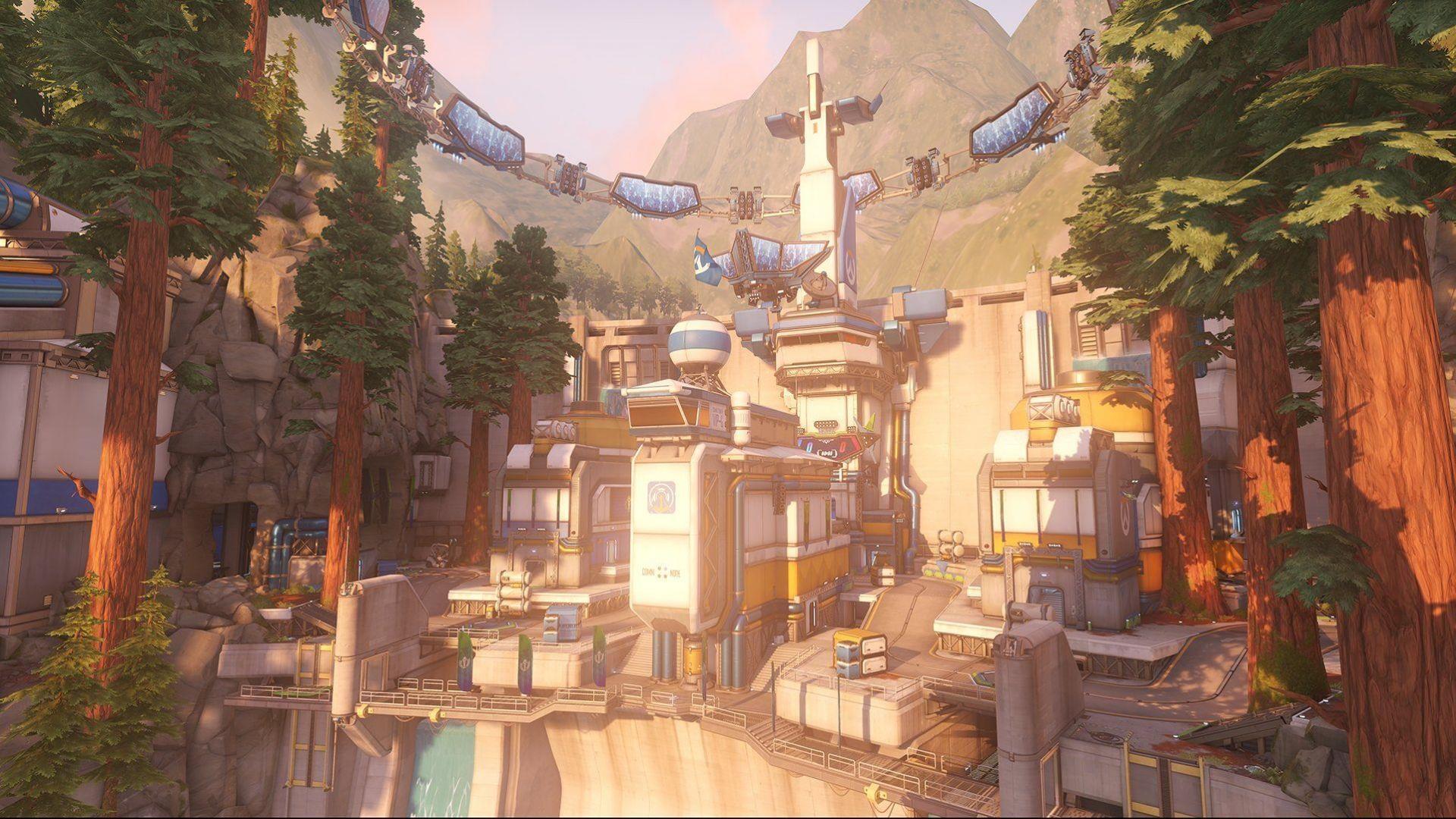
Overwatch 2 Season 16 launched globally on April 22, 2025, bringing transformative changes to the competitive landscape. This substantial update introduces the precision-based damage hero Freja alongside the innovative Stadium game mode, creating new strategic dimensions for players to master. Beyond content additions, significant balance adjustments will reshape the hero meta, requiring adaptation across all competitive tiers.
The Premium Battle Pass features the Dokiwatch team cosmetics, led by Mythic Heart of Hope Juno, with legendary skins for Ashe, Genji, Brigitte, Lifeweaver, and Mauga. These visual enhancements complement the gameplay evolution, offering fresh customization options for dedicated players.
New Damage Hero: Freja Deep Dive
Freja enters the roster as a relentless bounty hunter specializing in precision elimination and tactical mobility. Her kit emphasizes skill-based gameplay with tools designed for strategic positioning and target prioritization. Players mastering her mechanics will discover powerful flanking opportunities and backline disruption capabilities.
Pro Tip: Freja excels at creating crossfire situations—use her mobility to establish off-angles while your team engages from the front. This forces enemies to split their attention and creates openings for coordinated attacks.
Common Mistake: Many players overextend with Freja’s mobility tools. Remember she lacks sustain abilities, so positioning near health packs or support sightlines is crucial for survival. Avoid committing to engagements without an escape plan.
Team compositions that provide area denial (like Mei or Sigma) complement Freja perfectly by controlling space while she picks off isolated targets. Conversely, heroes with strong area healing can neutralize her pick potential.
Stadium Game Mode Explained
Stadium introduces a dynamic new battleground designed for intense objective-based combat. The mode features multi-level structures and strategic chokepoints that reward coordinated team play and map knowledge. Unlike traditional control points, Stadium incorporates environmental elements that can be leveraged for tactical advantages.
Winning Strategy: Control the high ground positions early in each round—these vantage points provide sightlines to multiple objectives while limiting enemy approach angles. Teams that establish positional dominance typically maintain control throughout engagements.
Avoid This Error: Don’t overcommit resources to a single flank route. Stadium’s layout offers multiple attack vectors, and teams that become predictable in their approaches will struggle against adaptable opponents. Rotate between lanes to keep enemies guessing.
The mode particularly favors heroes with vertical mobility and area control abilities. Consider compositions that can quickly reposition between objectives while maintaining defensive integrity.
Competitive Hero Bans System
The new hero ban system fundamentally changes competitive match preparation and strategy. Before each match, teams participate in a dedicated ban phase where they collectively remove four heroes from play—two per role. This system encourages strategic thinking and adaptation beyond individual hero mastery.
Ban Phase Mechanics: Teams enter the ban phase before the versus screen appears, allowing communication only with allies. The ranked choice voting system weights first choices most heavily, with secondary and tertiary choices contributing proportionally fewer votes. Players can pass on voting or reset their selections using interface controls.
Strategic Voting Approach: Coordinate with your team during the ban phase—target heroes that counter your intended composition while considering the current meta. Don’t automatically ban the most popular heroes; sometimes banning niche counters to your strategy provides greater value.
Advanced Tactic: Watch what your teammates are banning and their preferred hero selections. This information reveals your team’s intended strategy before the match begins, allowing you to adjust your own picks accordingly.
The system limits bans to two heroes per role and resolves ties through vote counts, with random selection as the final tiebreaker. This prevents any single role from being completely unavailable while maintaining strategic diversity.
Reporting and Social Features
Season 16 introduces comprehensive privacy controls and enhanced reporting systems to improve the player experience. New options allow players to customize how much of their identity is visible to others, including hiding player icons, name cards, and titles from public view.
The Instant Reporting Feedback system now provides immediate confirmation when reporting players who have already received disciplinary action. This transparency helps players understand that their reports contribute to maintaining community standards.
Pro Tip: Use the new replay reporting feature to review questionable plays from multiple angles before submitting reports. This ensures accurate reporting based on complete information rather than in-the-moment reactions.
Blizzard has implemented safeguards against organized mass reporting through replays, protecting players from coordinated abuse while maintaining the system’s effectiveness against genuine violations.
These social features work alongside the gameplay updates to create a more balanced and respectful competitive environment where skill and sportsmanship can flourish.
No reproduction without permission:SeeYouSoon Game Club » Overwatch 2 Season 16 patch notes: Stadium released, New hero Freja, and more Master Overwatch 2 Season 16's new hero Freja, Stadium mode, and competitive hero bans with expert strategies