
TL;DR
- Stars are the primary progression currency, consumed to enter story-critical dungeons
- Forms upgrade through combat quests, creating an interconnected progression tree
- Guilds provide structured quest chains with substantial star rewards
- Story dungeons restrict Form progression to encourage strategic ability usage
- Underutilized Forms offer quick star gains through basic ability completion
Nobody Saves the World revolutionizes RPG advancement through a shapeshifting-focused system that rewards experimentation across multiple character forms. Unlike traditional level-based progression, this approach encourages players to master diverse playstyles while unlocking new capabilities.
Developed by Drinkbox Studios, creators of the acclaimed Guacamelee series, Nobody Saves the World marks their debut in the action-RPG genre. While sharing some structural similarities with The Legend of Zelda, its progression mechanics diverge significantly through a sophisticated integration of transformable classes (Forms) and structured sidequest systems that drive narrative advancement.
Story progression primarily hinges on conquering specific dungeons, though the world brims with optional demi-dungeons that serve as crucial star-farming locations. Key story dungeons enforce star requirements for entry, visibly indicated by numerical thresholds at their entrances. With hundreds of stars available throughout the game, later challenges demand substantial collections—mid-game dungeons typically require 40+ stars each. Crucially, stars are permanently consumed upon dungeon entry, meaning if two separate dungeons each demand 40 stars, you’ll need 80 total to access both and continue the main narrative.
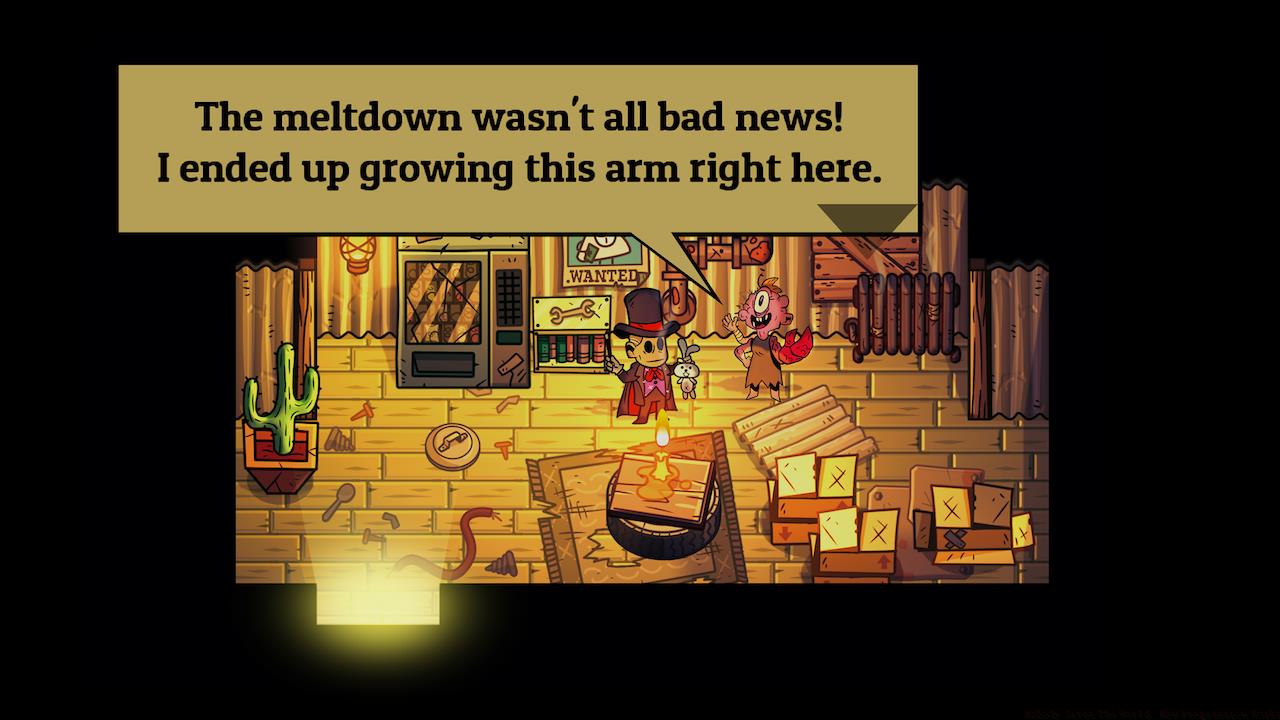
A conversation with a Magician
Star acquisition occurs through diverse activities, ranging from simple NPC interactions to complex multi-stage quest chains. The most reliable methods involve systematic Form development and strategic dungeon selection. Many players underestimate the efficiency gains from proper route planning—aim to complete multiple Form quests simultaneously by targeting enemy types that overlap across different Form requirements.
The game’s Forms system enables transformation into over a dozen distinct characters, from conventional archetypes like Ranger and Knight to unconventional options such as Mouse or Turtle. Each Form upgrades through task completion, predominantly combat-oriented objectives like defeating specific enemies with particular abilities. Once you unlock ability cross-training—mixing skills between Forms—additional quests emerge requiring borrowed abilities from other classes, creating synergistic progression opportunities.
Every completed objective awards one star while simultaneously advancing your Form’s progression. This dual-reward system efficiently contributes to unlocking additional Forms through the upgrade tree’s letter-grade pathways (F through S). Forms requiring multiple connection paths indicate that achieving the specified grade with several different Forms is necessary for unlocking.
Consequently, your primary star-generation capacity stems from upgrading existing Forms, discovering new ones, and subsequently enhancing those. When urgently needing stars for critical story progression, select a minimally-used Form—you’ll likely have unfinished quests requiring only basic ability usage. Revisiting completed dungeons or entering demi-dungeons provides concentrated enemy populations ideal for combat quest completion.
Important distinction: most story dungeons implement Form locking, preventing Form quest progression. This design encourages players to utilize their most potent Forms without distraction from grinding activities.
Three specialized Guilds represent classic fantasy archetypes: knights, wizards, and thieves. These organizations provide multiple concurrent quests, with completion rewarding both individual step stars and additional stars for advancing through guild ranks. Finishing an entire guild quest tier unlocks new objective sets with increasingly complex challenges. Some involve specialized combat arenas, while others demand creative Form ability combinations to solve environmental puzzles.
Many players struggle with inefficient star farming by focusing too narrowly on high-level Forms. The most effective approach involves rotating through all available Forms, as early-grade upgrades typically offer the fastest star-per-minute returns. For maximum efficiency, identify Forms with overlapping enemy type requirements and tackle them in coordinated sessions.
Advanced technique: When you hit a star deficit wall, don’t just grind mindlessly. Instead, analyze your Form progression tree for low-hanging fruit—Forms sitting at C or B grades that could be quickly advanced to A or S rank with focused effort. Target demi-dungeons with high enemy density and variety to maximize multiple quest completion simultaneously.
Common mistake avoidance: Many players waste time attempting Form quests in story dungeons where progression is disabled. Always verify your location permits Form advancement before committing to extended grinding sessions. Time estimates for star collection vary significantly—basic Form upgrades might take 10-15 minutes, while comprehensive guild quest chains could require 45-60 minutes for full completion.
Action Checklist
- Check star requirements for next story dungeon and identify deficit
- Rotate to underutilized Forms and complete basic ability quests
- Target demi-dungeons with diverse enemy types for multi-quest efficiency
- Complete guild quest chain steps for substantial star bonuses
- Use ability cross-training to complete synergistic quests across multiple Forms
No reproduction without permission:SeeYouSoon Game Club » Nobody Saves The World: How Progression Works Master Nobody Saves the World's progression system with expert strategies for star collection and Form optimization