
A comprehensive guide to navigating next-gen console upgrades, release rumors, and strategic purchasing decisions for gamers
The Next Wave: Decoding the 2023-2024 Console Upgrade Rumors
Industry whispers about mid-generation refreshes for the PlayStation 5 and Xbox Series X are gaining credibility through corporate channels. TCL Technology, a major display manufacturer with insights into hardware pipelines, has projected that enhanced “Pro” versions could materialize within the 2023-2024 window. This aligns with the traditional console lifecycle where manufacturers release more powerful iterations approximately three years after initial launch, targeting enthusiasts seeking peak performance.
TCL’s presentation specifically highlighted technical targets for these “half-generation” consoles, including native 8K video output, consistent 2160p (4K) rendering, and graphics processing units comparable to AMD’s RX7700XT.
The original ninth-generation consoles debuted in November 2020, making 2023-2024 the ideal timeframe for a performance-focused refresh. TCL’s claims during their technology showcase add weight to persistent industry speculation. These upgraded machines would represent a “half-step” rather than a full generational leap, focusing on enhanced resolution, frame rates, and visual fidelity for existing game libraries. The reference to RX7700XT-class GPUs suggests a significant graphical uplift over current console hardware, potentially enabling stable 4K/60fps or even 120fps performance in demanding titles. This rumor ecosystem isn’t new—Sony patents emerged last year detailing a potential PS5 Pro configuration with both standard and high-end variants, indicating planned product segmentation.
This timing presents a complex dilemma for consumers. Many gamers still struggle to purchase current-generation consoles at retail price due to ongoing supply constraints and scalper activity. Furthermore, the software landscape remains dominated by cross-generation releases, with few titles exclusively leveraging the full power of existing PS5 and Xbox Series X hardware. This raises questions about the immediate value proposition of even more powerful consoles. Pricing for these rumored Pro models remains speculative, with potential premiums over current $499 MSRPs. Neither Sony nor Microsoft has officially acknowledged TCL’s projections or announced hardware revisions, maintaining their standard policy of neither confirming nor denying such rumors until formal reveals.
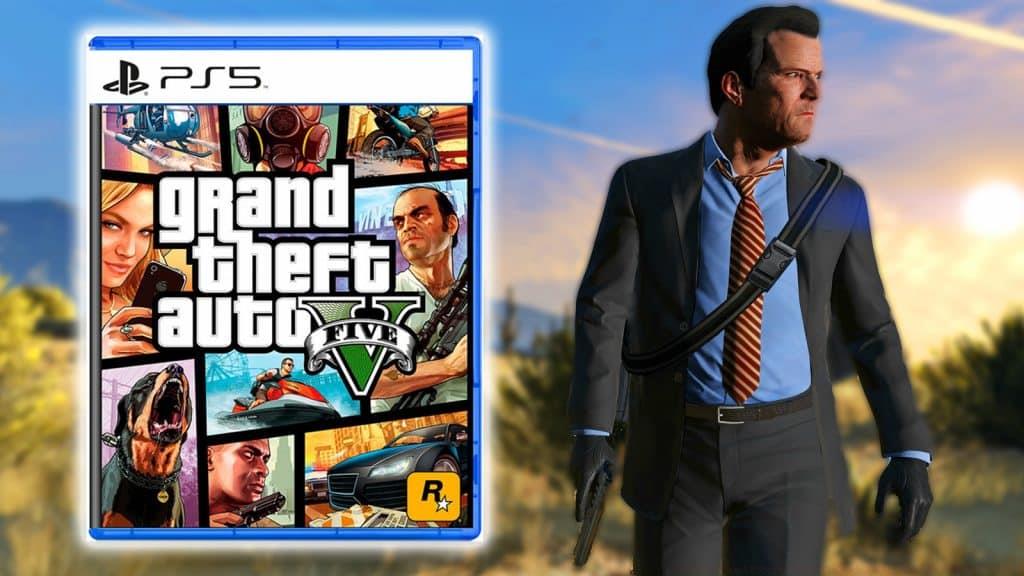 Rockstar Games
 Many of the biggest current-gen games have been rereleases or cross-gen.
The situation creates an ironic parallel with Nintendo’s strategy. Despite years of Switch Pro speculation, Nintendo has maintained its original hardware lineup while Sony and Microsoft potentially accelerate their refresh cycles. This could result in mid-generation PlayStation and Xbox consoles launching before Nintendo’s next hardware iteration, reshaping competitive dynamics. For consumers, this means carefully weighing whether to purchase currently available hardware or wait for unconfirmed but potentially superior alternatives.
The broader context includes aggressive studio acquisitions by both platform holders (Sony’s Bungie purchase, Microsoft’s Activision Blizzard acquisition) combined with these hardware rumors. This suggests a two-pronged strategy: securing exclusive content while advancing hardware capabilities. Despite limited true next-gen software thus far, these moves indicate the ninth generation’s competitive phase is just beginning. The “console war” is evolving beyond mere hardware specs to encompass content ecosystems, subscription services, and backward compatibility strategies—all areas where mid-generation refreshes could play pivotal roles.
No reproduction without permission:SeeYouSoon Game Club » New Xbox and PS5 pro console models expected as early as 2023 A comprehensive guide to navigating next-gen console upgrades, release rumors, and strategic purchasing decisions for gamers