
TL;DR
- Craft tier-appropriate hunting knives starting with Makeshift (3x Rocks, 3x Sticks, 6x Plant Fiber)
- Always switch to hunting knife post-combat for optimal skinning and resource extraction
- Different creature types yield specialized meat and hide variants with unique properties
- Process hides through Simple Tanning Station (6x Sticks, 10x Plant Fiber) for leather production
- Animal Meat serves dual purposes for hunger management and advanced material crafting
Successfully harvesting Animal Meat and Leather in Nightingale requires strategic tool selection and material preparation. Understanding the progression from basic to advanced hunting implements significantly impacts your resource acquisition efficiency.
The realm of Nightingale presents abundant fauna that serve as valuable resource sources beyond mere combat encounters. Mastering the art of harvesting transforms these creatures into sustainable material providers for your crafting and survival needs.
Resource acquisition begins with proper tool selection. The Makeshift Hunting Knife represents your entry-level option, requiring minimal resources: 3x Rocks, 3x Sticks, and 6x Plant Fiber. This basic implement should be crafted immediately upon starting your adventure to ensure no hunting opportunities are wasted.
Mastering the hunting and skinning process separates novice gatherers from expert resource farmers. The transition from combat to harvesting requires precise timing and equipment management to maximize yield.
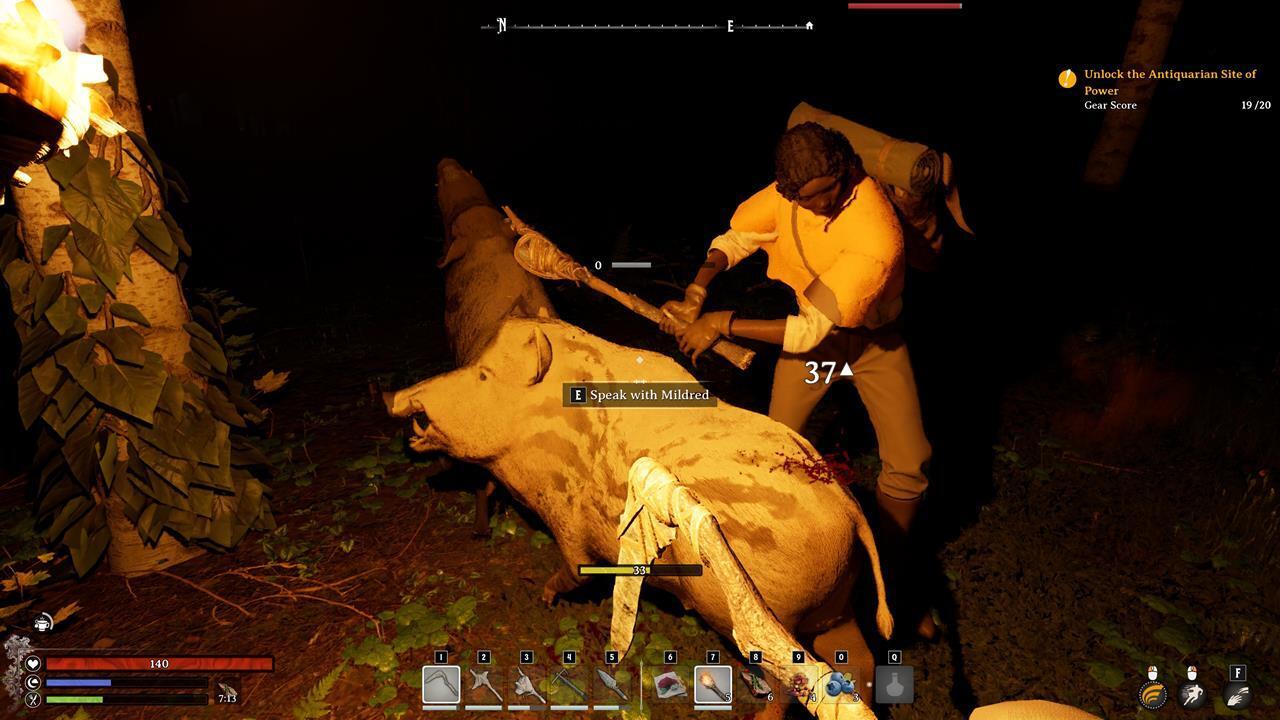
Strategic creature engagement in wilderness environments.
Post-combat procedures critically impact resource acquisition. After defeating any animal, immediately equip your Hunting Knife and perform the skinning action on the carcass. This specialized animation triggers the resource extraction process, yielding Animal Meat, Bones, Hides, and occasionally Essence currency.
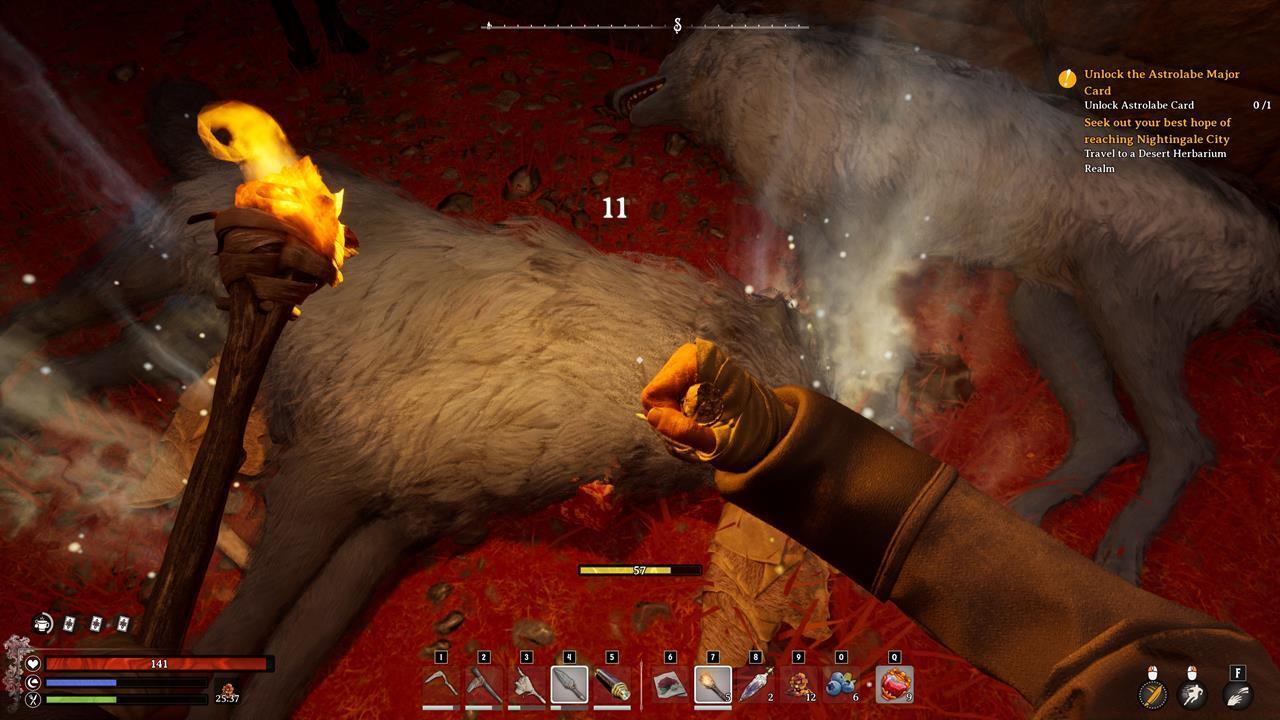
Proper knife application technique for maximum resource extraction.
The transformation of raw materials into usable goods represents the final stage of the resource acquisition pipeline. Proper processing unlocks the full value of your hunting efforts through multiple crafting pathways.
Establishing processing infrastructure early accelerates your progression. The Simple Tanning Station, requiring 6x Sticks and 10x Plant Fiber, serves as your primary processing hub for converting raw hides into workable leather.
For comprehensive survival strategies that complement your hunting proficiency, consult our Complete Guide to master all aspects of resource management and character development.
Action Checklist
- Craft Makeshift Hunting Knife (3x Rocks, 3x Sticks, 6x Plant Fiber)
- Establish Simple Workbench and upgrade to Simple Hunting Knife
- Practice combat-to-skinning transitions on low-level creatures
- Build Simple Tanning Station (6x Sticks, 10x Plant Fiber)
- Specialize hunting patterns based on needed material types
No reproduction without permission:SeeYouSoon Game Club » Nightingale – How To Get Animal Meat And Leather Master hunting mechanics and resource processing for optimal Animal Meat and Leather acquisition in Nightingale