
Master Valorant’s Pearl map with expert strategies, layout analysis, and actionable gameplay tips for competitive advantage
Pearl’s Arrival: Release Details and Map Introduction
Riot Games expanded Valorant’s competitive arena with Pearl, an underwater battleground that brings fresh tactical challenges to the game’s map rotation. This aquatic environment marks a significant addition following an extended period without new locations.
Valorant Episode 5 Act 1 introduced Pearl as a visually stunning underwater arena where teams clash within an Atlantis-inspired Portuguese city. This comprehensive guide covers strategic insights, layout analysis, and practical gameplay approaches to help you dominate this unique environment.
After a substantial gap since Fracture’s September 2021 debut, Pearl arrived to refresh the tactical landscape. This map transports combatants to Omega Earth’s submerged metropolis, deliberately engineered to test decision-making under pressure. Unlike previous maps with complex navigation mechanics, Pearl strips away mobility crutches, demanding decisive actions and tactical precision. The environment forces players to commit fully to engagements, creating intense showdowns that separate reactive players from strategic thinkers. Understanding its release context and design intentions provides the foundation for mastering its challenges.
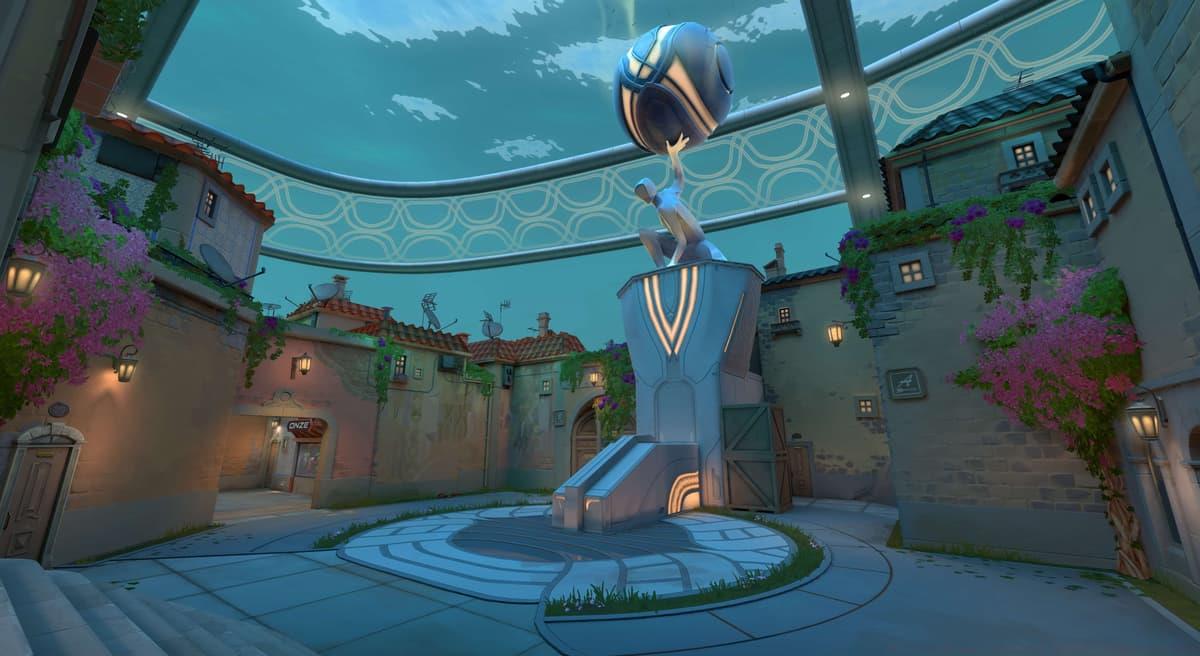 Riot Games
Pearl’s breathtaking underwater architecture creates a visually immersive combat environment that rewards careful positioning.
The map officially became available on June 22, 2022, launching simultaneously with Episode 5 Act 1’s battle pass and the Prologue to Chaos cosmetic collection. This coordinated release allowed players to immediately explore new content while adapting to Pearl’s distinct gameplay rhythm.
Pearl represents a deliberate return to fundamental map design principles. Following the experimental approaches of Fracture and Breeze, developers crafted a more traditional three-lane configuration reminiscent of early Valorant favorites. Level Designer Joe Lansford explained this intentional simplification: “After several maps with unique navigation mechanics, we sought to create something strategically transparent yet tactically deep.” The absence of teleporters, doors, and vertical elevators creates a pure test of positioning and engagement skills. While seemingly straightforward, this design conceals nuanced opportunities for creative playmaking.
Thematically, Pearl reimagines Atlantis through a climate-change narrative. Set in a Portuguese city submerged by rising oceans, it presents a thriving underwater civilization rather than a ruined one. Art Lead David Yam described the conceptual fusion: “We combined underwater aesthetics with climate-change storytelling, placing it in Portugal for architectural richness.” This setting on Omega Earth allowed exploration of Kingdom Industries’ technological adaptation to environmental challenges. The visual contrast between advanced corporate structures and traditional Portuguese architecture creates a distinctive aesthetic that influences gameplay readability. Strategic players leverage this visual clarity for better spatial awareness during intense engagements.
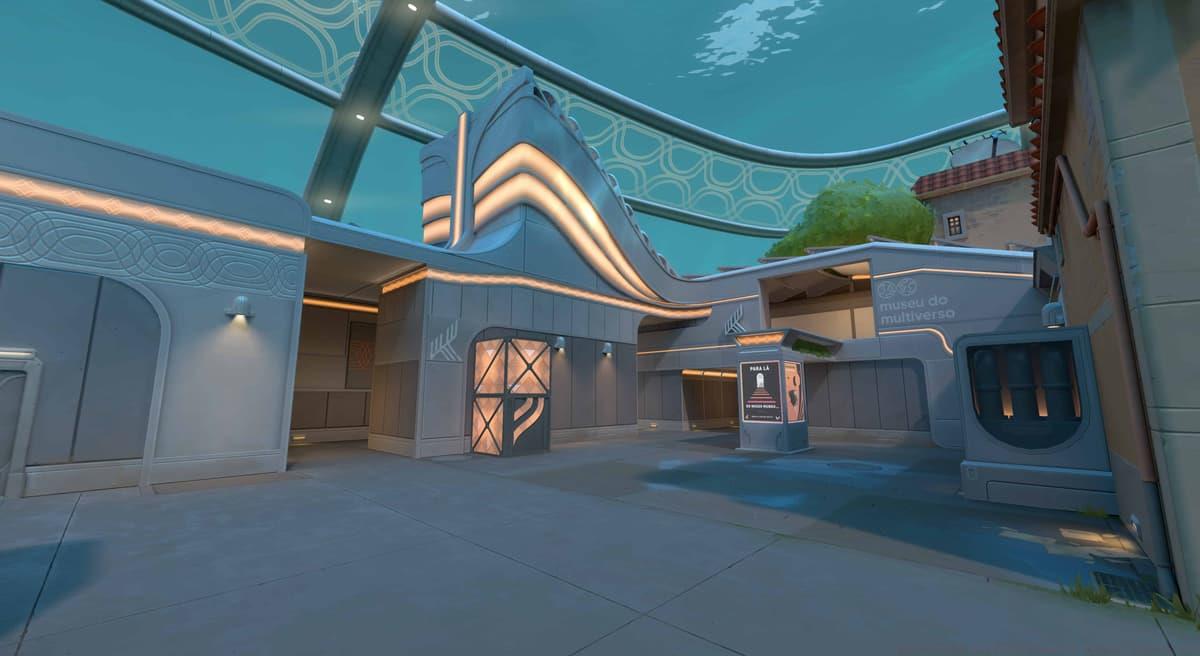 Riot Games
The submerged urban landscape provides unique sightlines and audio cues that experienced players exploit for tactical advantage. “Omega Earth’s approach to environmental challenges inspired our visual direction,” Yam continued. “Showing sustainable underwater cities excited our team and created compelling environmental storytelling.” This thoughtful design extends beyond aesthetics, influencing gameplay through intentional spatial relationships and visual landmarks that guide navigation during high-pressure situations.
Strategic Map Layout and Gameplay Dynamics
Pearl’s architectural blueprint demands analytical understanding before tactical execution. The map’s deceptively simple structure conceals sophisticated positional dynamics that reward systematic study.
Three-Lane Configuration and Flow Patterns
Unlike Fracture’s divided design, Pearl employs a classic three-corridor approach with clearly defined Attack/Defense flow. The A Main, Mid, and B Hall pathways create predictable yet flexible rotation options. However, the absence of rapid transit mechanics means rotation decisions carry significant consequence. Successful teams master timing between these lanes, understanding that overcommitment to one area creates vulnerabilities elsewhere.
Site-Specific Design Characteristics
Bomb Site A features tighter entry points with multiple elevation changes, favoring controlled executes and post-plant positioning. Site B offers wider approaches but longer sightlines, demanding precise utility usage and coordinated pushes. The connector areas between sites create natural choke points where well-timed utility can dictate round outcomes. Understanding these spatial relationships separates reactive players from proactive strategists.
Rotation and Mobility Constraints
Pearl’s most distinctive feature is its deliberate limitation of mobility tools. Without teleporters, zip lines, or mechanical doors, players cannot quickly reposition after committing to engagements. This design philosophy forces teams to make definitive strategic choices early in rounds. The map punishes indecisiveness while rewarding confident, coordinated play. Teams that master rotation timing and information gathering gain disproportionate advantages.
Practical Tip: Use auditory cues more aggressively on Pearl. Without mechanical sounds from doors or teleporters, footsteps and ability sounds provide clearer information about enemy movements.
Advanced Tactics and Common Pitfalls
Mastering Pearl requires moving beyond basic map knowledge to sophisticated tactical execution. These advanced insights address common information gaps that hinder player progression.
Optimal Attack Strategies
Successful attacks on Pearl balance methodical clearing with explosive execution. The map rewards teams that control Mid early in rounds, creating rotation pressure that limits defensive responses. A effective approach involves:
- Default Setup: Establish map control through methodical clearing of key areas
- Information Gathering: Use recon abilities to identify defensive weaknesses
- Coordinated Execution: Time site hits with utility combinations that overwhelm anchors
- Post-plant Positioning: Establish crossfires that cover multiple retake angles
Defensive Formations and Adaptations
Pearl’s defensive meta evolves around information denial and retake coordination. Common effective strategies include:
- Flexible Anchoring: Position defenders with rotation options to both sites
- Aggressive Information Play: Use early round presence to gather attack intentions
- Retake Protocols: Standardize utility usage and entry sequencing for consistent retakes
- Mid Control Priority: Contest mid area to limit attack options and gather intelligence
Agent Selection Recommendations
Pearl’s design favors certain agent categories that complement its gameplay dynamics:
- Controllers: Viper and Brimstone excel at dividing sites and controlling choke points
- Initiators: Sova and Fade provide crucial information in a map with limited visibility angles
- Sentinel: Killjoy and Cypher establish area denial that punishes predictable attacks
- Duelist: Jett and Raze offer entry flexibility despite the map’s commitment demands
Common Mistakes and Corrective Actions
Most Pearl struggles stem from these preventable errors:
- Overextension in Mid: Players often commit too many resources to mid control without clear follow-up plans. Solution: Establish mid presence with minimal investment, using it for information rather than full control.
- Predictable Site Hits: Attacks often follow obvious patterns. Solution: Vary execute timing and approach angles between rounds.
- Poor Retake Coordination: Defenders frequently retake individually. Solution: Standardize retake utility usage and entry sequencing.
- Utility Mismanagement: Players waste crucial abilities early in rounds. Solution: Preserve key utilities for execute or retake phases.
Advanced Optimization: High-level teams exploit Pearl’s audio propagation. The underwater environment modifies sound travel, allowing experienced players to pinpoint positions more accurately than on other maps.
No reproduction without permission:SeeYouSoon Game Club » New Valorant map Pearl revealed: Layout, release date Master Valorant's Pearl map with expert strategies, layout analysis, and actionable gameplay tips for competitive advantage