
Expert analysis of MTG’s Avatar crossover: mechanics, card strategies, and gameplay impact
Introduction and Set Overview
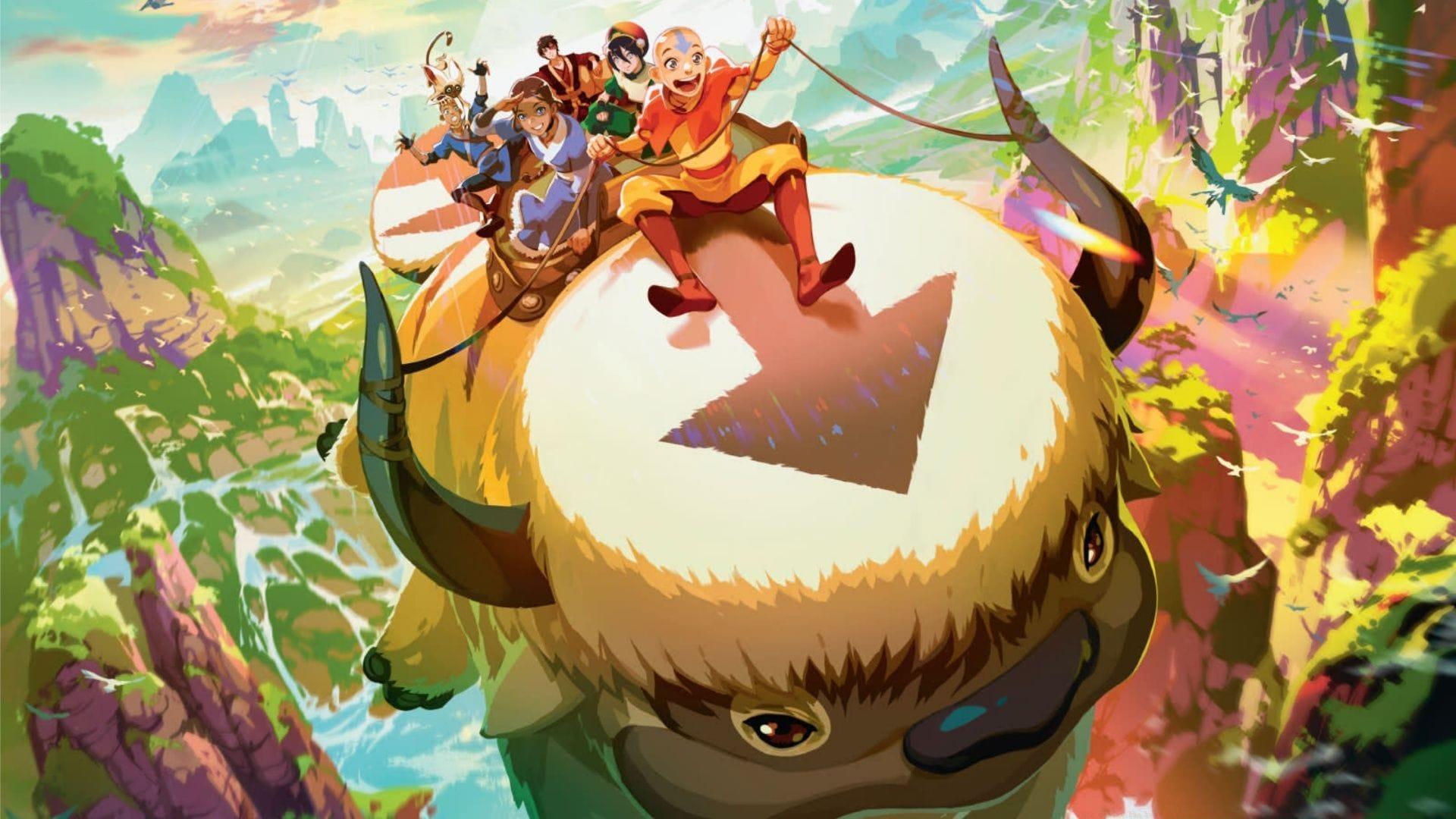
After extensive playtesting with the MTG x Avatar: The Last Airbender cards across multiple formats, I’m excited to share strategic insights about this ambitious crossover. As a longtime fan of both franchises, I approached this set with high expectations about how the elemental bending concepts would translate into Magic’s mechanical framework.
The character representation stands out immediately – each major figure from the Nickelodeon series receives careful attention through multiple card versions that track their narrative development. This approach avoids the character overload issue seen in previous Universes Beyond releases while providing meaningful deck-building options for fans. Key characters like Aang, Katara, Zuko, and Toph appear in forms that reflect their growth throughout the Avatar storyline.
What makes this crossover particularly successful is the thoughtful balance between fan service and competitive viability. Unlike some previous crossovers that felt forced, the Avatar integration maintains Magic’s core gameplay integrity while introducing genuinely innovative mechanics that enhance rather than disrupt established formats.
Bending Mechanics Deep Dive
The four bending mechanics – Airbending, Earthbending, Firebending, and Waterbending – represent the set’s most significant innovation. Each mechanic translates the show’s elemental combat into distinct gameplay advantages that reward different strategic approaches.
Airbending utilizes flicker effects that provide exceptional tempo advantages. The ability to temporarily exile your own creatures then return them untapped enables powerful combat tricks and protection from removal spells. This mechanic excels in aggressive decks that want to maintain board presence while pushing damage through.
Earthbending transforms land cards into active participants, creating overwhelming board states in longer games. The mechanic’s power ceiling becomes particularly evident in Commander format, where recurring powerful artifacts like Mindslaver can create nearly unstoppable loops. In Standard, earthbending enables resilient midrange strategies that outvalue opponents through persistent land threats.
Firebending rewards aggressive play patterns with temporary mana acceleration, perfectly capturing the element’s explosive nature. This mechanic shines in red-based aggressive decks where the additional mana can enable surprise combat tricks or earlier deployment of threatening creatures.
Waterbending, while mechanically useful, presents the least thematically satisfying implementation. Tapping creatures and artifacts for additional effects provides utility but doesn’t fully capture water’s adaptive, flowing nature from the source material. Strategic tip: Waterbending works best in control decks that can leverage the tapping for defensive purposes or combo enabling.
Common Mistake to Avoid: Don’t overcommit to multiple bending types in one deck. Focus on two complementary mechanics to maintain consistency. Earthbending pairs well with Waterbending for control, while Airbending synergizes with Firebending for aggression.
Top Card Highlights and Strategies
Beyond the obvious fan-favorite characters, several cards offer exceptional strategic value across different formats. Here’s an analysis of standout options with practical gameplay applications:
- Badgermole Cub: This creature represents premium mana acceleration with its land-searching ability. Optimal play involves dropping it turn two to guarantee land drops while applying early pressure. Pair with landfall mechanics for additional value.
- Fated Firepower: A devastating finisher in ramp decks. The flash capability allows surprise lethal damage calculations when opponents tap out. Use in combination with mana doublers for one-turn kills.
- Phoenix Fleet Airship: Excellent token synergy that transforms Clue, Food, and Treasure into aggressive threats. Essential in artifact-heavy decks that generate multiple token types.
- Day of Black Sun: Mass removal that also shuts down abilities, making it superior to traditional board wipes against decks relying on creature abilities.
- Fire Lord Azula: Potent Commander that enables spell-copying strategies. Build around instant and sorcery duplication for overwhelming value generation.
- Abandoned Air Temple: Mana-fixing land that also provides creature buffs. Ideal in multicolor aggressive decks that want to maintain pressure while fixing colors.
- Long Feng, Grand Secretariat: Graveyard engine that rewards self-mill strategies. Powerful in reanimator decks that can utilize the +1/+1 counters on recursive threats.
- Iroh’s Determination: Flexible removal that handles both wide boards and single threats efficiently. The modal design makes it maindeckable in various meta environments.
- Earth Kingdom Jailer: Efficient exile effect that maintains the Banisher Priest tradition while fitting the Avatar theme.
- Azula Always Lies: Low-cost disruption that punishes opponents’ game plans while advancing your own board state.
- Rocky Rebuke: Superior fight mechanic that avoids damage retaliation. Essential in green-based removal suites.
- It’ll Quench Ya!: Unique graveyard interaction that also serves as countermagic. Niche but powerful in specific combo or control builds.
Advanced Strategy: Combine Badgermole Cub with landfall payoffs and Earthbending mechanics for a synergistic deck that accelerates while creating multiple threats.
Art and Design Evaluation
The visual presentation largely succeeds in capturing Avatar’s distinctive aesthetic while maintaining Magic’s traditional art standards. Most cards feature original artwork that seamlessly blends the two universes, with particular success in depicting elemental effects and character expressions.
However, the subset using direct animation stills presents significant quality issues. These 480p captures from the original show appear pixelated and out of place alongside the commissioned artwork. The visual discrepancy creates an inconsistent experience that detracts from the overall product polish.
Notably, the digital Arena versions often enhance the viewing experience with smoother animations and better resolution scaling. Players primarily engaging with the set digitally may find the art more consistently appealing than physical card collectors.
Collector’s Tip: Focus on obtaining the traditionally illustrated versions for both play value and long-term collection appreciation. The animation still variants primarily appeal to completionists rather than aesthetic-focused collectors.
Product Structure and New Player Experience
The decision to forego traditional Commander decks in favor of a Beginner Box represents smart product strategy. Commander’s complexity makes it poorly suited for introducing new players, as The Professor at Tolarian Community College correctly emphasizes. The format’s overwhelming board states and card interactions frequently confuse beginners.
The Beginner Box provides curated decks and learning materials that properly onboard Avatar fans into Magic’s fundamentals. This approach acknowledges the crossover’s potential to attract new audiences who need gradual introduction to the game’s systems rather than immediate immersion into its most complex format.
Teaching Strategy: Use the preconstructed decks to demonstrate core concepts like mana curve, card advantage, and combat math before introducing more advanced topics. The elemental themes provide intuitive hooks for explaining color philosophies and strategic archetypes.
For existing players, the set integrates smoothly into Standard and Commander collections without requiring specialized product purchases. The cards stand effectively on their own mechanical merits rather than relying solely on franchise recognition.
Future of Universes Beyond
While the Avatar crossover executes successfully, it arrives amidst growing concerns about Universes Beyond product frequency. The upcoming schedule promises even more crossovers, raising valid questions about Magic’s brand identity and product saturation.
The ideal balance would maintain core Magic expansions as the primary focus while using Universes Beyond as strategic supplements rather than replacement content. This approach preserves the game’s unique identity while still benefiting from crossover audience expansion.
Collection Strategy: Focus on acquiring Universes Beyond products that offer genuine mechanical innovation rather than purely thematic appeal. The Avatar set justifies inclusion through its well-designed bending mechanics that enrich existing formats.
Despite these broader concerns, the Avatar collaboration stands as a high-quality implementation that respects both source materials while providing meaningful gameplay innovations. It serves as an excellent gift option for franchise fans and represents one of Universes Beyond’s most successful integrations to date.
- Available in: MTG Arena, MTG Online, Physical Card Game
- Reviewed in: Physical Card form (Product supplied by Wizards of the Coast)
- Developer: Wizards of the Coast
- Publisher: Wizards of the Coast
- Release date: November 21, 2025
No reproduction without permission:SeeYouSoon Game Club » MTG Avatar The Last Airbender review: One of the best Universes Beyond releases to date Expert analysis of MTG's Avatar crossover: mechanics, card strategies, and gameplay impact