
TL;DR
- Mike Trout’s stance offers balanced power and contact with easy timing mechanics for beginners
- Legend Stance 7 provides maximum power potential but requires precise swing timing for optimal results
- Shohei Ohtani’s high-hands technique delivers elite hitting but has a steeper learning curve
- Batting stances directly impact in-game statistics and swing animation timing windows
- Strategic stance selection should align with your player build and hitting approach preferences
Selecting the ideal batting stance in MLB The Show 23 can dramatically accelerate your progression and enhance your overall gameplay experience from the very first at-bat.
When building your custom player in MLB The Show 23, you’ll encounter numerous decisions affecting your player’s appearance and performance capabilities. The batting stance represents one of the most critical choices that directly influences your hitting statistics and swing timing. While visual customization through face scanning creates personal representation, the functional decisions on the “Create a Player” interface carry greater gameplay significance. After completing aesthetic adjustments, you’ll immediately access options to either craft a custom stance or select from pre-existing animations.
Players opting for custom stance creation face an extensive array of technical adjustments including hand rotation angles, waggle patterns, back elbow positioning, and numerous other biomechanical parameters. For those preferring streamlined setup, the game provides comprehensive lists of generic stances alongside those modeled after current and legendary MLB players. Most users gravitate toward preset options since they eliminate configuration complexity while delivering proven performance characteristics.
However, choosing established batting stances presents strategic considerations. Specific stances directly modify your contact ratings, power statistics, swing animation timing, and bat positioning relative to the strike zone. If you’re seeking top-tier batting stances that maximize run production with minimal adjustment requirements, our expert analysis provides the definitive guidance. Below, discover our curated selection of the five most effective batting stances in MLB The Show 23, complete with implementation strategies and performance optimization tips.
Beginning with baseball’s premier hitter makes logical sense for any player seeking immediate results. Mike Trout has dominated MLB offensive rankings throughout the past decade, maintaining his elite status into the 2023 season. The Los Angeles Angels superstar features one of the most polished batting stances and fluid swing animations within MLB The Show 23. This particular stance proves exceptionally accessible for timing mastery after minimal plate appearances. Its compact design generates substantial power while launching baseballs with impressive trajectory as you advance through minor league development.
You can locate Mike Trout’s batting stance on Page 48 within the “Current Players” batting stance selection interface.
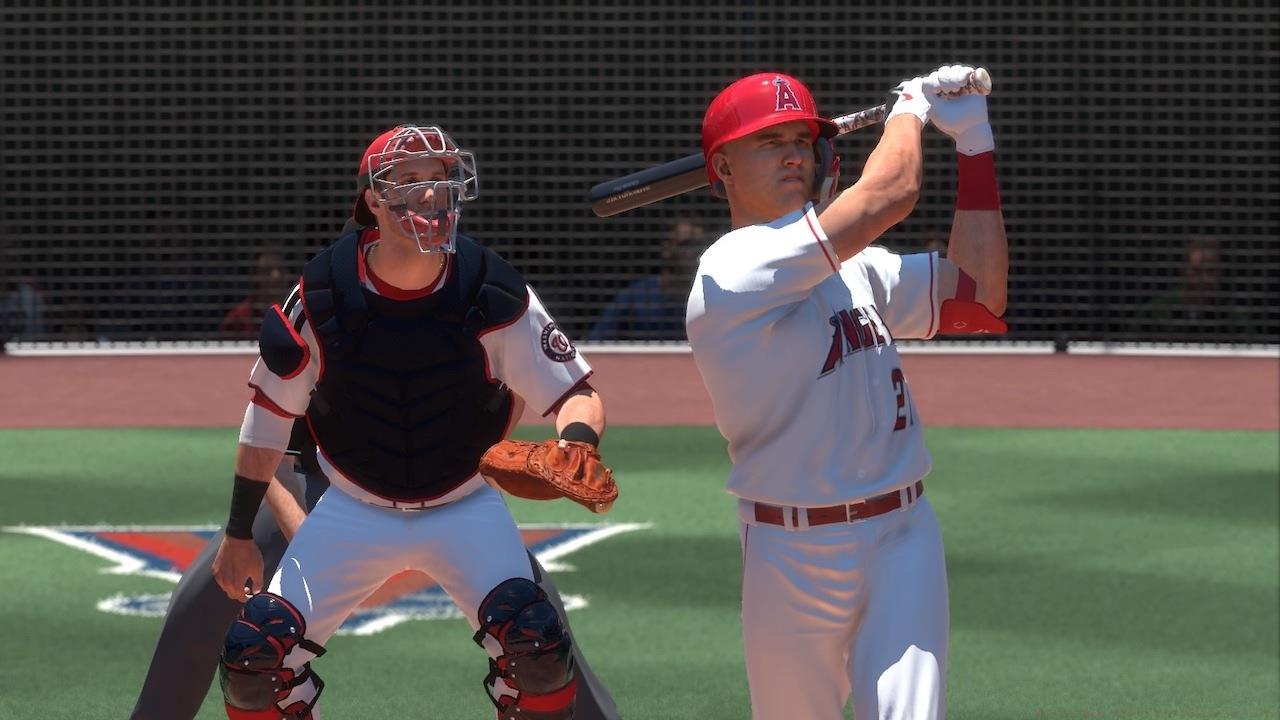
Pro Tip: Combine Trout’s stance with the Power Swing mechanic when ahead in the count for maximum extra-base hit potential. His balanced weight distribution creates exceptional plate coverage, making this ideal for players struggling with outside pitch recognition.
Common Mistake: Avoid over-adjusting hand positioning since the default configuration already optimizes swing path efficiency. Many players mistakenly tweak these settings and inadvertently reduce the stance’s inherent statistical benefits.
Generic stances deserve serious consideration, with Legend Stance 7 standing as the premier power-focused option. This batting stance primarily derives from Barry Bonds’ legendary setup, and who wouldn’t emulate baseball’s all-time home run leader (historical context notwithstanding)? Relative to Mike Trout’s balanced approach, Legend Stance 7 prioritizes raw power over contact consistency. Nevertheless, it presents reasonably manageable mechanics to master, and you’ll likely notice substantial home run production increases through continued utilization.
You can access Legend Stance 7’s batting stance on Page 39 within the “Generic Players” batting stance category.
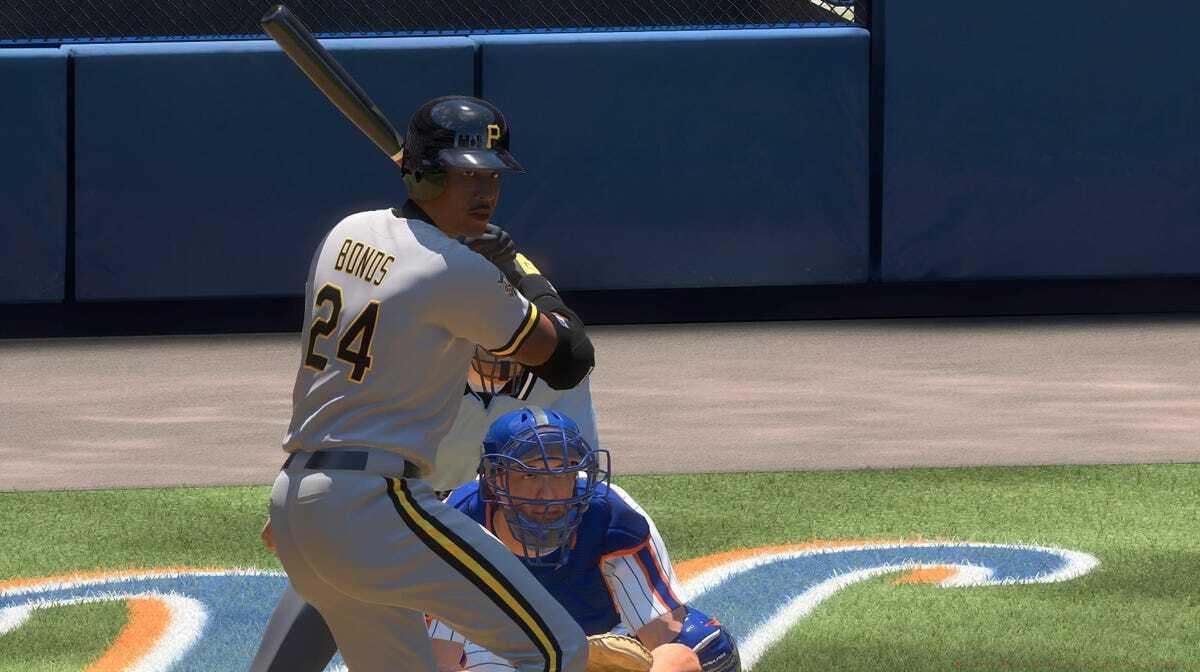
Advanced Technique: This stance particularly excels when facing power pitchers, as the inherent timing mechanism generates superior bat speed through the hitting zone. Consider pairing it with directional hitting for optimized pull-side power amplification.
Timing Consideration: The swing animation features a slightly longer load time, requiring earlier timing initiation on fastballs exceeding 95 mph velocity.
The World Baseball Classic MVP inevitably earns placement on this exclusive list. Shohei Ohtani represents one of baseball’s most fundamentally sound hitters, and this quality translates seamlessly into MLB The Show 23. The foundation begins with Ohtani’s distinctive batting stance, which presents moderately advanced mechanics compared to Trout’s or Legend Stance 7’s approaches. It demands additional practice for mastery since it positions the batter’s hands and bat elevated compared to conventional stances. This configuration necessitates precise timing development, though players can modify hand positioning if absolutely necessary. Regardless, Ohtani’s batting stance ranks among the most potent options available in MLB The Show 23 for players pursuing uncompromised hitting proficiency.
You can find Shohei Ohtani’s batting stance on Page 35 in the “Current Players” batting stance selection menu.
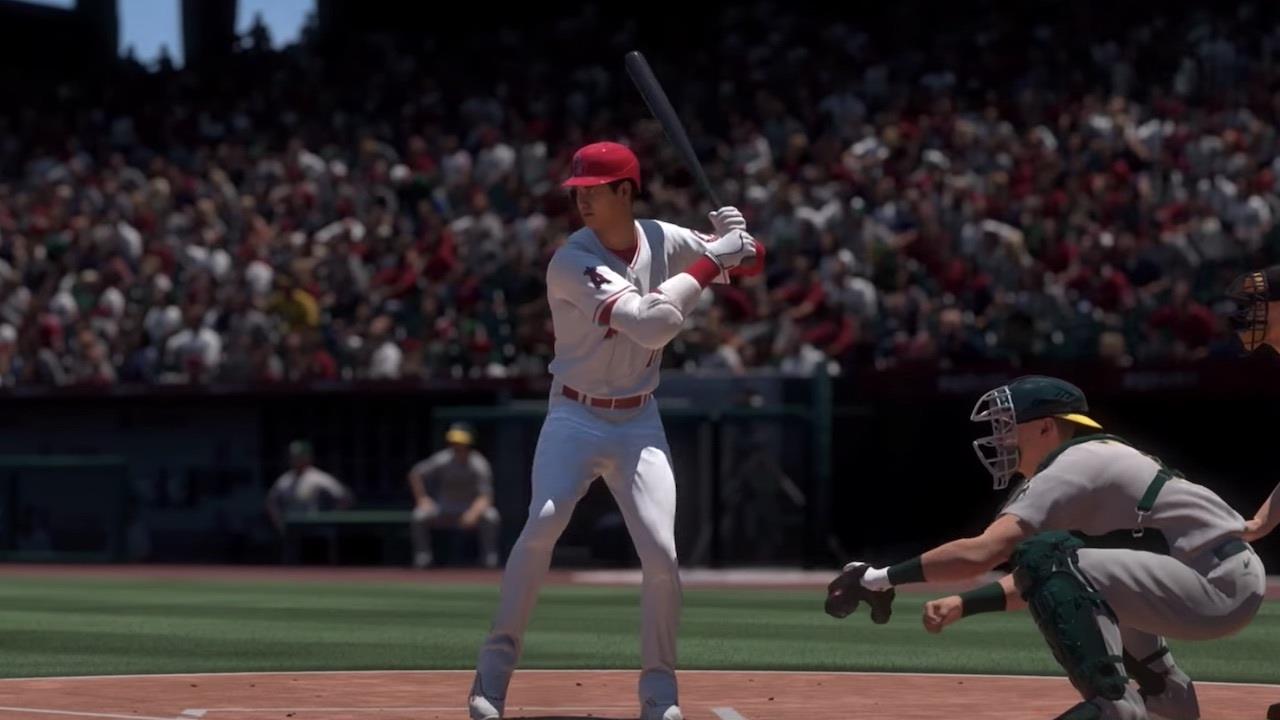
Mechanical Insight: The high hand position creates superior leverage on low pitches while generating exceptional exit velocities. This comes at the cost of reduced coverage on high fastballs, requiring disciplined pitch selection.
Progression Strategy: Master timing with this stance in practice mode against breaking balls before transitioning to online competitive play.
Former MVP Cody Bellinger brings a uniquely fluid batting stance that emphasizes rhythm and timing synchronization. His approach features minimal extraneous movement, creating consistent swing paths that maximize contact quality across all pitch types. The stance’s balanced weight transfer mechanism generates both gap power and home run capability without sacrificing batting average consistency.
You can locate Cody Bellinger’s batting stance on Page 32 within the “Current Players” batting stance navigation system.
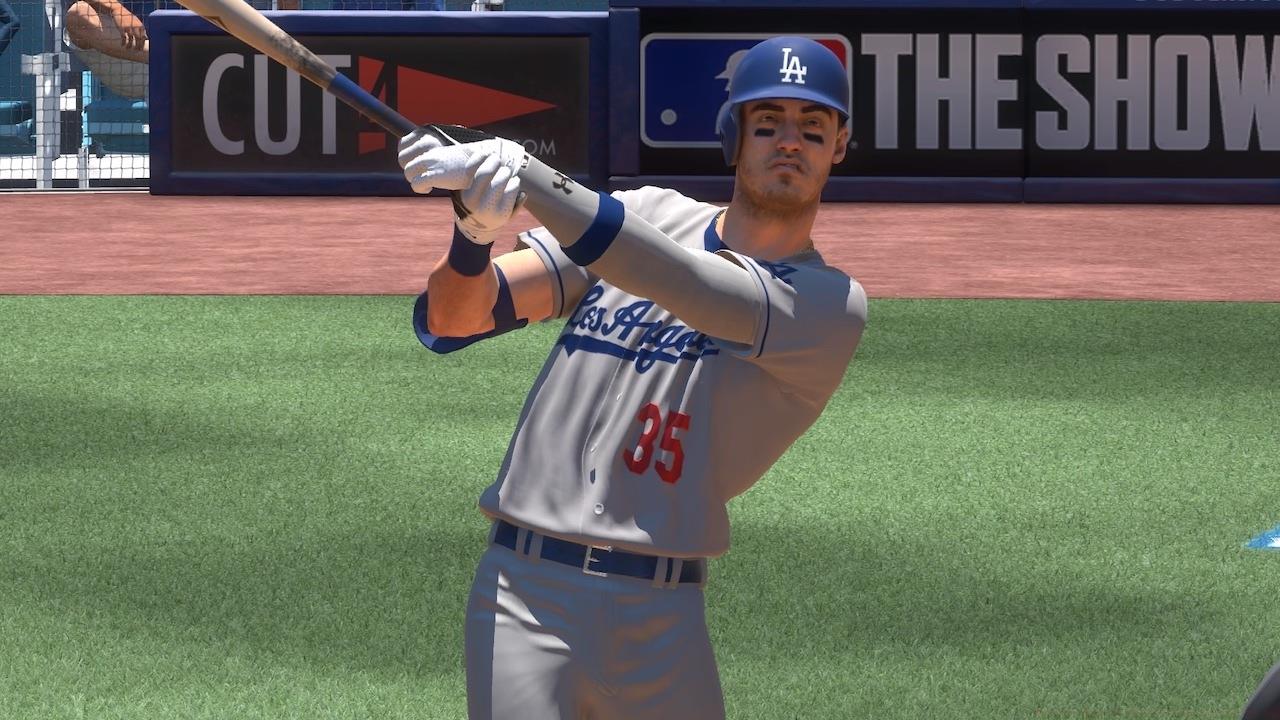
Technical Advantage: Bellinger’s stance features exceptional load timing that provides additional milliseconds for pitch recognition decisions.
Optimization Tip: This stance pairs exceptionally well with contact-oriented player builds, amplifying your ability to place hits strategically throughout the field.
Common Pitfall: Avoid over-striding with this stance, as the natural mechanics already optimize weight transfer efficiency. Many players inadvertently reduce effectiveness by adding unnecessary lower body movement.
Cleveland Guardians star José Ramírez offers a remarkably efficient batting stance that maximizes power output from minimal movement. His compact setup eliminates wasted motion while generating exceptional bat speed through the hitting zone, making this ideal for players seeking consistent extra-base hit production.
You can access José Ramírez’s batting stance on Page 41 within the “Current Players” batting stance selection interface.
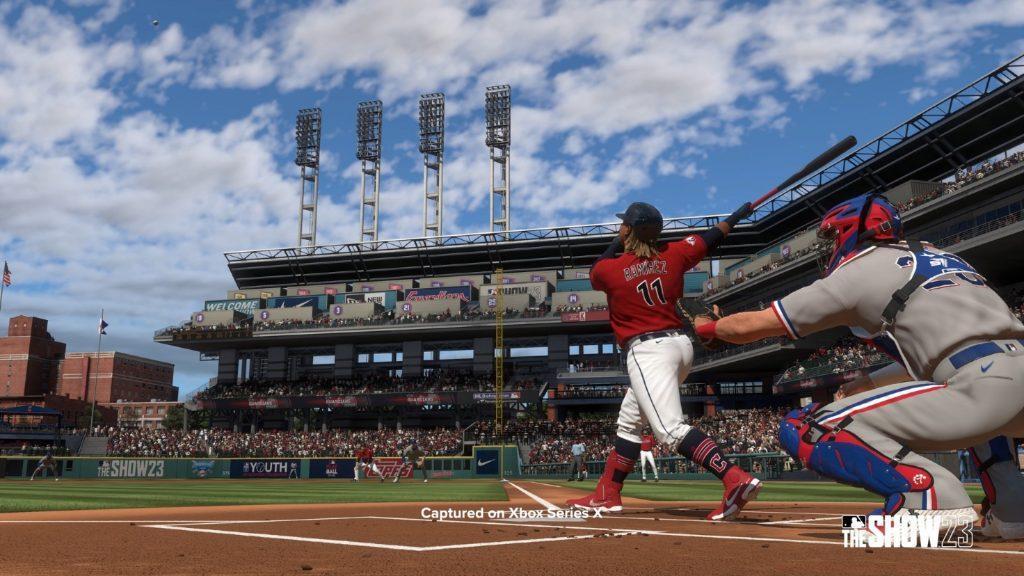
Strategic Application: This stance excels in clutch situations where contact quality outweighs pure power considerations. The shortened swing path provides superior ability to handle high-velocity pitching while maintaining power to all fields.
Development Path: Ramirez’s mechanics work exceptionally well for players developing their plate discipline, as the stance naturally encourages waiting on pitches rather than early commitment.
Advanced Synergy: Combine this stance with the Zone hitting interface for maximum effectiveness, as the visual alignment enhances pitch tracking capabilities.
Mastering batting stance selection requires understanding how different mechanics align with your playing style and progression objectives. Power-focused players should prioritize stances like Legend Stance 7 that maximize home run potential, while contact-oriented hitters benefit from Trout’s balanced approach or Bellinger’s fluid mechanics.
Archetype Matching: Analyze your natural hitting tendencies before committing to a stance. Aggressive swingers gain more from open stances, while patient hitters excel with compact setups that enhance pitch recognition timing.
Progression Planning: Begin with accessible stances like Trout’s to establish fundamentals, then transition to advanced options like Ohtani’s as your timing skills develop.
Meta Considerations: The current online competitive environment favors stances with quick load times and balanced power-contact distributions.
For comprehensive gameplay guidance beyond batting stances, explore our Complete Guide to mastering all aspects of your gaming experience. Additionally, our Weapons Unlock guide provides essential weapon progression strategies, while the Class Guide helps optimize your overall player build strategy.
Action Checklist
- Test each recommended stance in practice mode against various pitch types and velocities
- Analyze your natural hitting approach to determine power vs. contact preference
- Match stance selection to your player archetype and progression goals
- Combine selected stance with appropriate hitting interface (Zone, Directional, etc.)
- Practice timing mechanics specifically for your chosen stance’s load sequence
No reproduction without permission:SeeYouSoon Game Club » MLB The Show 23 Best Batting Stances To Use Master MLB The Show 23 with these elite batting stances that optimize power, contact, and swing timing mechanics