
TL;DR
- Guess Pitch requires holding R2/RT during wind-up to predict pitch type and location
- Correct predictions provide contact bonuses while wrong guesses penalize hitting stats
- Advanced players should analyze opponent patterns and game context for better accuracy
- The feature offers four distinct modes with varying feedback levels and difficulty
- Mastering this tool separates elite hitters from average players in competitive modes
Successfully leveraging MLB The Show 22’s Guess Pitch functionality demands solid baseball fundamentals and strategic game intelligence. This advanced mechanic separates casual players from those who consistently produce at the plate.
Stepping into the batter’s box in MLB The Show 22 requires comprehensive preparation for any scenario. When competing at elevated difficulty settings, anticipate significant challenges connecting with a baseball traveling at professional velocities. While dedicated practice remains essential for swing perfection, the game provides this optional tool to slightly reduce the complexity of timing your hits. Our comprehensive walkthrough details activation procedures, deactivation methods, and strategic implementation across different game modes.
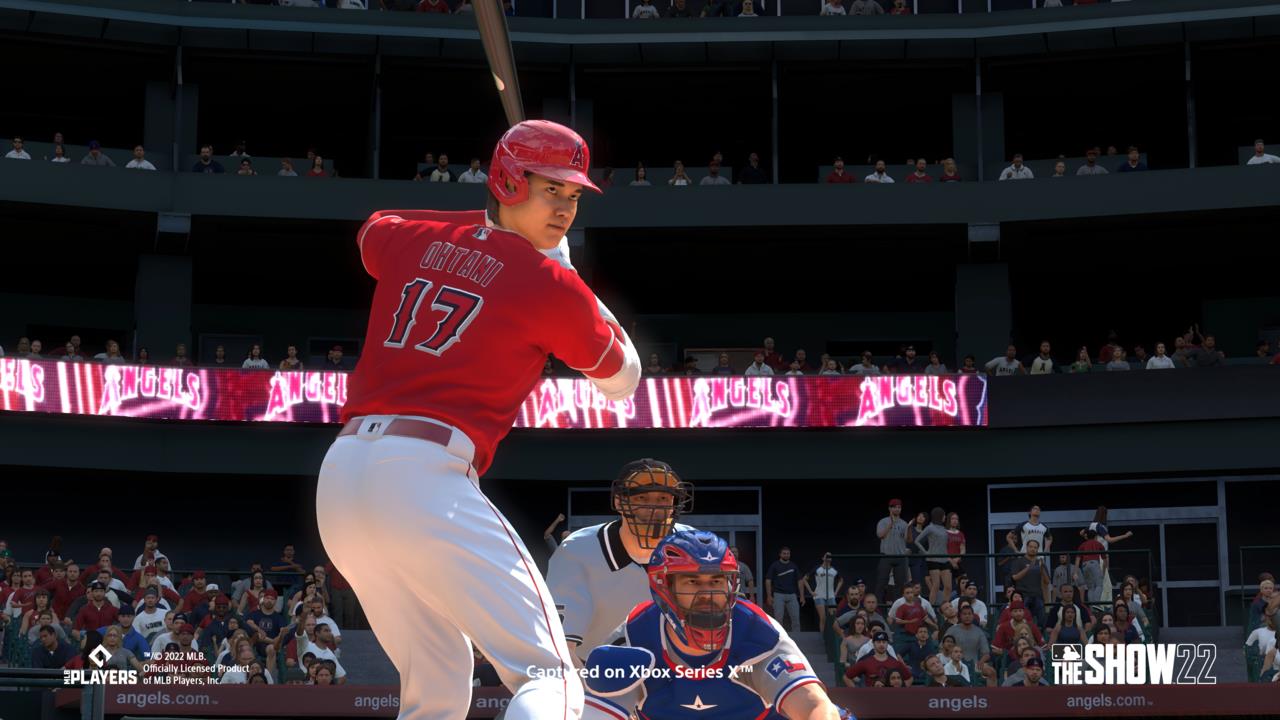
Strategic deployment of Guess Pitch separates elite hitters from average performers.
Many players overlook that Guess Pitch effectiveness varies dramatically between offline and online play. Against CPU opponents, you can exploit predictable pitching patterns based on situational baseball logic. Human opponents, however, often defy conventional wisdom, requiring adaptive thinking and real-time pattern recognition.
Maintain pressure on R2 / RT throughout the pitcher’s delivery sequence to display available pitches in their arsenal. Corresponding controller buttons appear adjacent to each pitch type; selecting one designates your prediction for the upcoming delivery.
Following your pitch type selection, the subsequent objective involves anticipating the intended location. Continue R2 / RT engagement while manipulating the Left Stick to choose among six distinct strike zone sectors.
Accurate predictions generate tangible feedback through controller vibrations and crimson highlighting within your chosen zone, boosting confidence for your impending swing. Align your swing with the predicted location while achieving optimal timing to receive contact enhancement bonuses.
New players should practice Guess Pitch mechanics in batting practice mode before implementing them in competitive situations. The timing window for activation is surprisingly generous—you have from the start of the wind-up until just before release to make your selection.
The visual feedback system provides crucial information beyond simple vibration. Watch for subtle color changes in the prediction zone and audio cues that indicate successful anticipation.
When anticipating incoming deliveries, evaluate both the game situation and your opponent’s tendencies. This becomes particularly challenging against human competitors in PvP matches, as they operate outside traditional baseball conventions. While opponents may exclusively utilize sliders throughout an entire contest, CPU-controlled pitchers typically adhere to logical pitch selection based on their programming.
This implies, for instance, that trailing 3-0 in the count typically results in pitches avoiding the strike zone perimeter and rarely including breaking balls. Likewise, confronting an elite pitcher known for deploying curveballs in two-strike situations should inform your prediction strategy for both pitch type and potentially location. Leverage the comprehensive post-pitch data displayed on-screen, and eventually you’ll identify exploitable patterns.
Advanced strategy involves tracking pitcher stamina and confidence metrics, as fatigued hurlers tend to rely more heavily on fastballs while avoiding difficult-to-locate breaking pitches. Additionally, note that certain pitcher archetypes have distinct pattern tendencies—power pitchers often establish fastballs early while finesse pitchers mix locations more aggressively.
Successful pattern recognition requires documenting opponent tendencies across multiple at-bats. Keep mental notes of pitch sequences in specific counts, as many players develop predictable habits when ahead or behind in the count.
Guess Pitch represents an optional gameplay element, comparable to identifying defensive formations in Madden. If you possess the necessary expertise, it can elevate your performance substantially. However, without strong game intuition, don’t stress about implementation. Generally, avoiding incorrect predictions benefits your approach, as mistaken guesses impose contact and power reductions.
Only use Guess Pitch if you’re comfortable with it.
Four fundamental Guess Pitch variations exist, each featuring unique bonuses and penalties, alongside different feedback intensities. They include:
The most common mistake involves over-relying on Guess Pitch before mastering fundamental hitting mechanics. Remember that even with perfect prediction, you still need proper swing timing and plate discipline to succeed.
Intermediate players should focus on predicting only pitch type initially, as location prediction requires significantly more game knowledge and reaction time.
Advanced optimization includes studying specific pitcher tendencies in the game’s database before matches. Many elite players create cheat sheets for particularly difficult opponents they face regularly in ranked play.
Action Checklist
- Practice activation timing in batting practice mode (hold R2/RT during wind-up)
- Master pitch type prediction before attempting location guessing
- Study opponent patterns across 3-5 at-bats before implementing predictions
- Create pitcher tendency notes for frequently encountered opponents
No reproduction without permission:SeeYouSoon Game Club » MLB The Show 22 – How To Guess Pitch Master MLB The Show 22's Guess Pitch feature with advanced strategies and practical execution tips