
Marvel Rivals matchmaking insights: Team composition strategies, ranking system changes, and developer explanations
Marvel Rivals Matchmaking System Explained
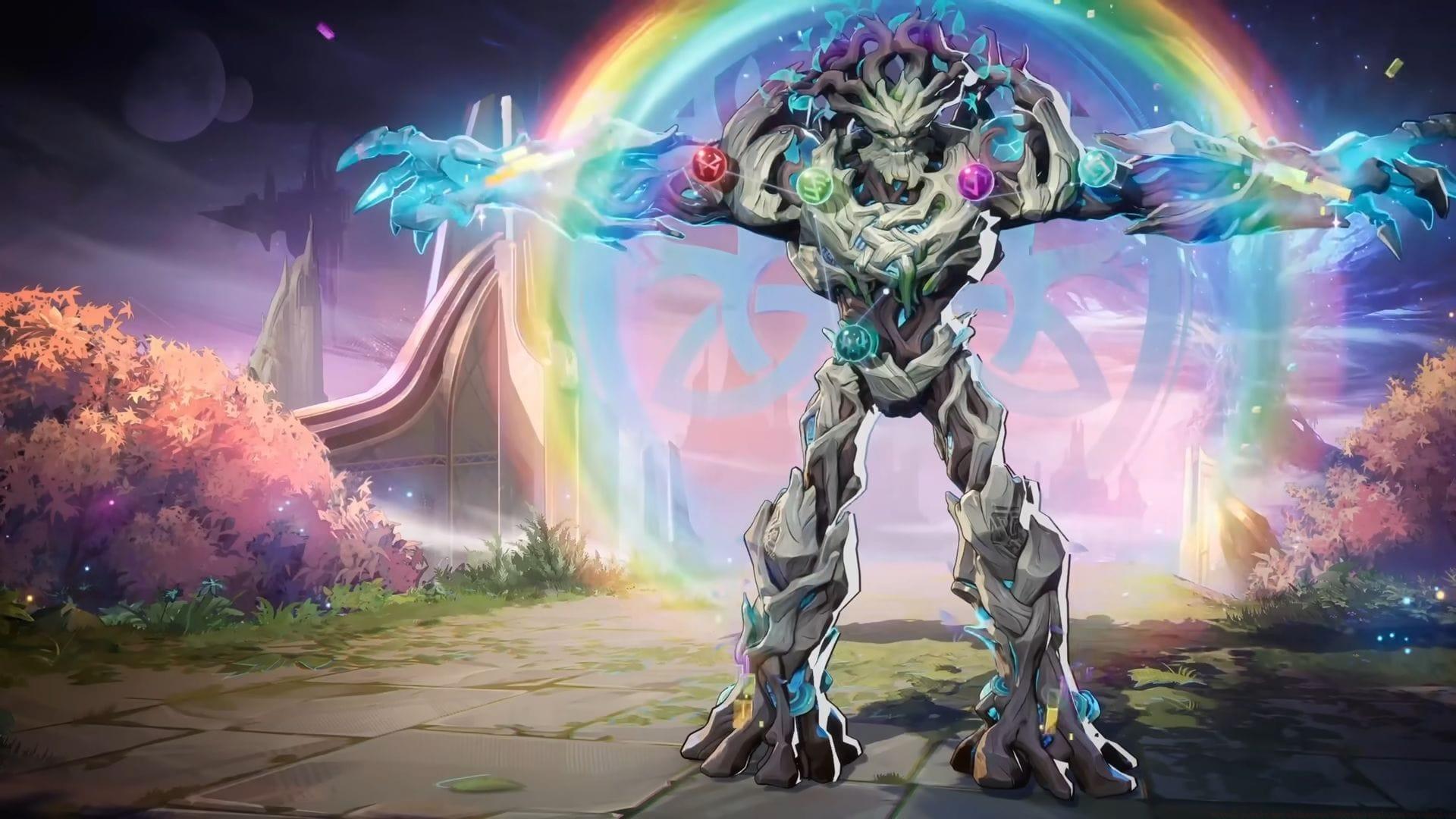
The Marvel Rivals development team recently conducted a comprehensive player address regarding the game’s current operational state. Through an official post on the Marvel Rivals X platform, lead combat designer Zhiyong delivered detailed explanations covering critical topics including matchmaking algorithms and the much-discussed EOMM system. The developer presentation included an extensive 18-minute gameplay demonstration that specifically addressed ranking system metrics and performance indicators. This communication initiative appears to directly respond to substantial player feedback collected throughout Season 3.5.
According to Zhiyong’s technical breakdown, once a match is initiated, the game’s algorithm distributes participants and team formations based on comprehensive competitive scoring metrics and overall team composition analysis. However, the system encounters exceptions when dealing with statistical outliers or exceptionally skilled players who occasionally face opponents with significantly less experience. This skill disparity represents one of the primary challenges in maintaining balanced competitive environments.
Team Matchmaking Mechanics and Changes
Within team-based matchmaking scenarios, participants frequently encounter small coordinated groups, particularly three-player squads. Marvel Rivals specifically engineers its matching protocol to pair three-player formations against similarly sized teams whenever possible. This design philosophy prioritizes competitive integrity by ensuring team size parity.
When the system cannot identify appropriate matches within acceptable skill parameters, it may generate teams with a 3-1-1-1 configuration structure. Under these circumstances, the competitive ratings of individual solo-queue participants substantially impact final team assignments and composition balance.
The ranked matchmaking framework is architecturally designed to facilitate rapid progression for exceptionally skilled competitors or EOMM-designated players. While these high-caliber participants can create temporary match imbalances, elevating them to appropriate ranking tiers represents the most effective methodology for minimizing skill differentials across matches.
According to the latest developer updates, Marvel Rivals will discontinue its role-based matchmaking implementation. Beginning with Season 3.5, the game will implement temporary restrictions preventing four or six-player squads from participating in matchmaking within elevated ranking brackets. This strategic adjustment aims to improve match quality and competitive balance.
EOMM Clarification and Role Flexibility
Lead combat developer Zhiyong provided definitive clarification that Marvel Rivals does not utilize Engagement Optimized Matchmaking (EOMM) systems. This statement directly addressed widespread community commentary where numerous players expressed concerns regarding perceived match imbalances. The development team explained that match outcomes predominantly depend on collaborative factors including team coordination, strategic execution, and individual performance rather than engineered engagement systems.
Unlike many contemporary arena hero shooters, Marvel Rivals intentionally avoids rigid role locking mechanisms. According to developer insights, enforced role restrictions can potentially inhibit players from maximizing their combat effectiveness and strategic creativity. The development roadmap includes planned introductions of additional Strategist and Vanguard archetypes, enabling more diverse team compositions and tactical possibilities in future updates.
Advanced Player Strategies and Common Pitfalls
For competitive players seeking to optimize their Marvel Rivals experience, understanding team composition dynamics becomes crucial. When assembling teams, prioritize complementary hero abilities that create synergistic effects rather than simply stacking high-damage characters. Many players make the critical mistake of ignoring team balance in favor of individual hero preferences, which frequently leads to imbalanced matches and frustrating losses.
Advanced ranking progression requires strategic awareness of the matchmaking system’s behavior patterns. During peak hours, matchmaking tends to be more lenient with skill disparities, making these periods ideal for climbing ranks with coordinated teams. Conversely, off-peak hours often feature tighter matchmaking parameters, potentially resulting in longer queue times but more balanced matches.
A common misconception among players involves blaming the matchmaking system for losses that actually stem from poor team coordination. The development team emphasizes that communication and adaptive strategy frequently outweigh raw mechanical skill in determining match outcomes. Players should focus on developing flexible hero pools and communication skills rather than fixating exclusively on individual performance metrics.
Looking ahead, the planned introduction of additional Strategist and Vanguard roles will create new strategic dimensions for team compositions. Players should prepare by mastering fundamental gameplay mechanics and developing proficiency with multiple hero types to adapt to evolving meta strategies.
No reproduction without permission:SeeYouSoon Game Club » Marvel Rivals dev addresses EOMM and explains matchmaking Marvel Rivals matchmaking insights: Team composition strategies, ranking system changes, and developer explanations