
Understanding Nintendo’s variable pricing strategy for Switch 2 games and how to make smart purchasing decisions
Understanding Nintendo’s Variable Pricing Approach
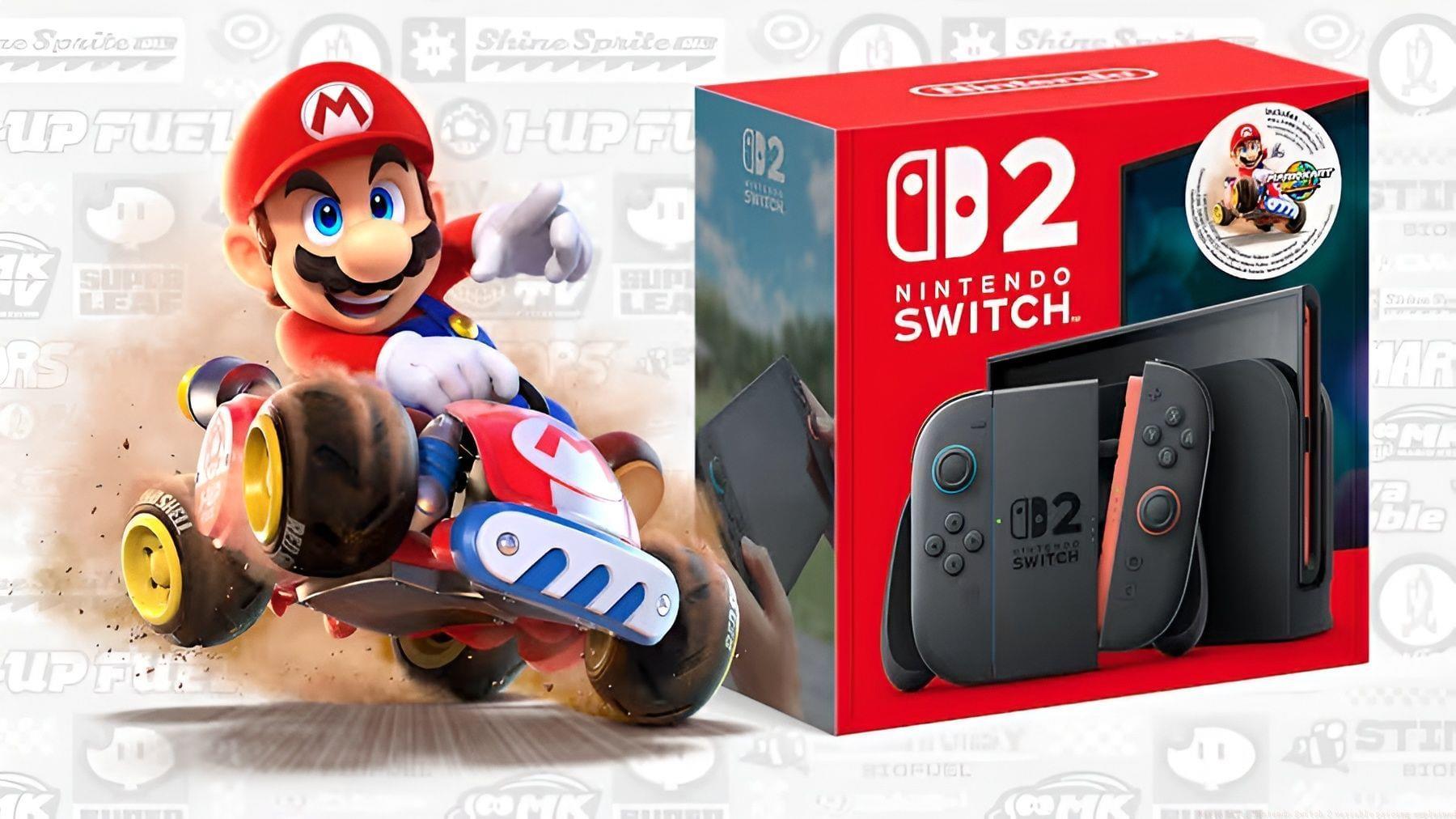
The Nintendo Switch 2’s global launch on June 05, 2025, marks a significant milestone for the gaming community, though the announcement triggered mixed reactions among enthusiasts. While anticipation ran high for this next-generation console, the revelation of premium game pricing sparked considerable discussion across gaming forums and social media platforms. The core issue centers on Nintendo’s implementation of variable pricing, which represents a departure from the standardized pricing models gamers have grown accustomed to with previous console generations.
Variable pricing, as clarified by Nintendo America President Doug Bowser in his Washington Post interview, fundamentally means that software titles won’t follow a uniform price structure. Contrary to circulating online speculation suggesting blanket $80 or $90 price points, each game will receive individualized pricing based on multiple evaluation criteria. This approach acknowledges that different gaming experiences warrant different value assessments rather than applying a one-size-fits-all pricing strategy across all titles.
Factors Driving Nintendo’s Pricing Decisions
Nintendo employs a multifaceted evaluation process when determining appropriate price points for Switch 2 titles. Development scope represents a primary consideration—games requiring extensive resources, larger teams, or longer production cycles typically command higher price tags. Market positioning also plays a crucial role; flagship franchises with established fan bases and proven commercial success may justify premium pricing compared to newer intellectual properties or experimental titles.
Bowser emphasized that variable pricing isn’t an entirely new concept for Nintendo, noting its presence in earlier console generations to varying degrees. This pricing philosophy reflects evolving industry standards while simultaneously recognizing the substantial creative and technical investments development teams make in each project. The strategy aims to balance fair compensation for developers with maintaining accessibility for the gaming community.
Additional factors influencing pricing include anticipated post-launch support, downloadable content plans, multiplayer infrastructure requirements, and the overall scope of the gaming experience. Games featuring extensive campaigns, sophisticated multiplayer components, or planned long-term content updates typically reflect these additional development considerations in their final pricing structure.
Real-World Pricing Examples and Analysis
The initial Switch 2 lineup demonstrates clear implementation of variable pricing across different game categories. The Legend of Zelda: Breath of the Wild with included DLC content reaches $90, positioning it as a premium experience with extensive gameplay hours and additional content. Mario Kart World follows at $80, representing a mid-tier premium title with strong multiplayer focus and anticipated long-term engagement. Donkey Kong Bananza occupies the $70 price point, suggesting a more focused gaming experience while still delivering substantial value.
This pricing stratification allows consumers to make informed decisions based on their gaming preferences and budget constraints. Games at higher price points typically offer broader content, more sophisticated gameplay mechanics, and longer playtime potential. Understanding these pricing tiers helps gamers allocate their entertainment budgets more effectively, prioritizing titles that align with their specific interests and gaming habits.
Industry analysts note that this approach mirrors strategies employed by other entertainment mediums, where premium content commands premium pricing while still maintaining accessible entry points for budget-conscious consumers. The key for gamers is recognizing that price doesn’t always correlate directly with enjoyment—some mid-priced titles may deliver exceptional value relative to their cost.
Smart Buying Strategies for Switch 2 Games
Navigating Nintendo’s variable pricing requires strategic purchasing approaches to maximize value. Begin by establishing a gaming budget that accounts for the price variation—allocate more funds for must-have premium titles while reserving budget for mid-tier games that might surprise you. Prioritize games based on your playstyle: if you predominantly enjoy single-player adventures, focus your budget on story-rich titles rather than multiplayer-focused games you might play less frequently.
Timing your purchases strategically can yield significant savings. Consider waiting 3-6 months after launch for potential price adjustments on mid-tier titles, as Nintendo occasionally offers promotions during holiday seasons or special events. Digital purchases sometimes feature earlier discounts than physical copies, though collector’s editions and physical media retain value better for resale or trading.
Avoid common mistakes like day-one purchases for every release—evaluate reviews and gameplay footage before committing to premium-priced games. Don’t assume higher price always means better quality; some of gaming’s most beloved titles have launched at moderate price points. Finally, consider sharing game purchases with trusted friends through family sharing options when available, effectively reducing the per-person cost of gaming experiences.
Also Read: 5 times Nintendo changed gaming forever with revolutionary innovations
For more gaming news and updates, stay tuned to Sportskeeda.
No reproduction without permission:SeeYouSoon Game Club » Mario Kart: Nintendo Switch 2 variable pricing explained Understanding Nintendo's variable pricing strategy for Switch 2 games and how to make smart purchasing decisions