
Comprehensive analysis of Madden NFL 26’s enhanced gameplay, revamped modes, and practical playing strategies
Gameplay Evolution and Core Mechanics
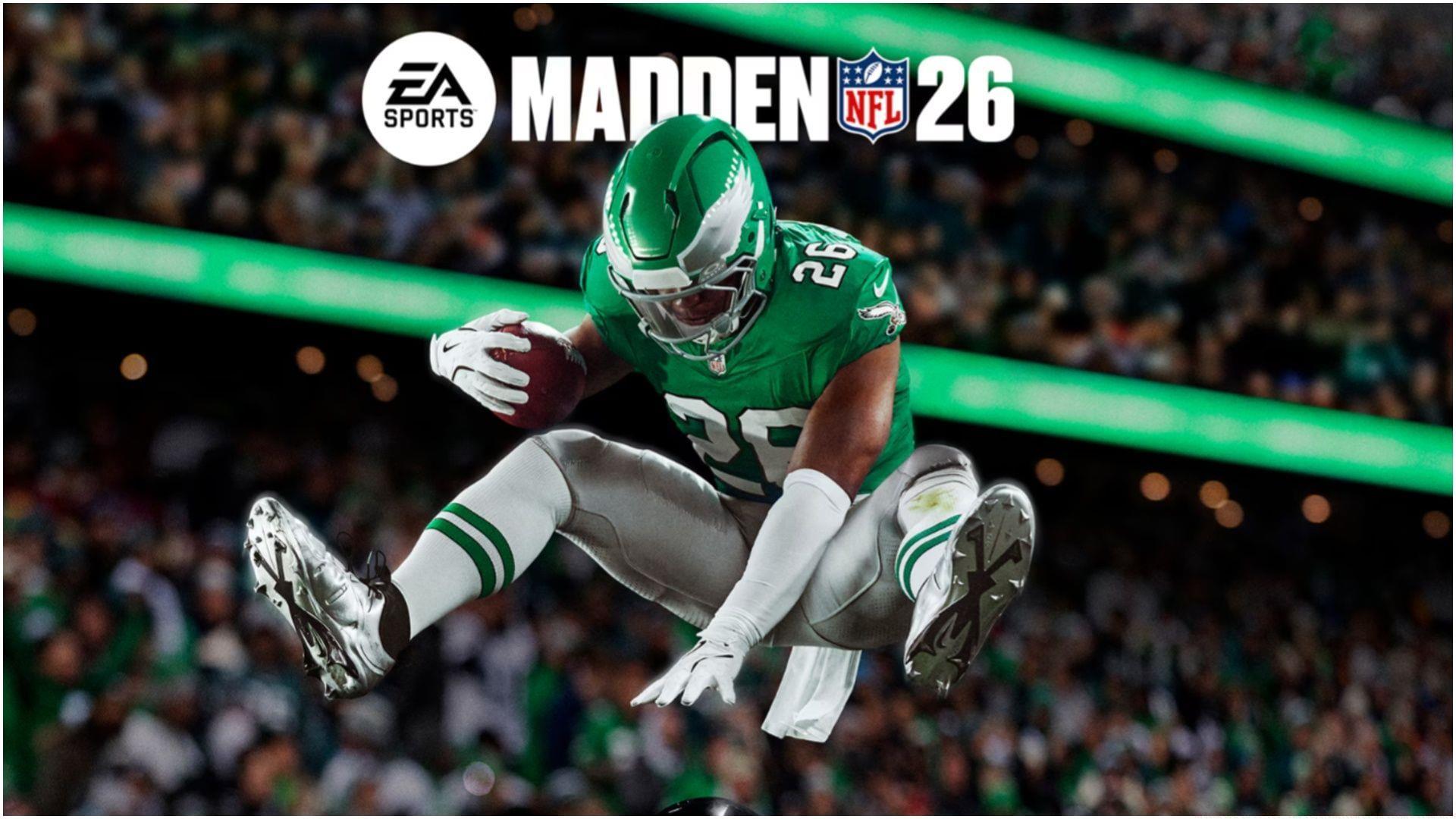
Madden NFL 26 represents a substantial leap forward in football simulation, delivering what many consider the franchise’s most authentic on-field experience to date. The global release across current-generation consoles brings refined mechanics that will satisfy both casual enthusiasts and competitive veterans.
Choosing the right gameplay preset becomes crucial for optimal enjoyment. The Arcade mode accelerates pacing significantly, reducing simulation elements to create explosive, high-scoring matches perfect for quick sessions. Competitive preset tightens player responsiveness for online matches where split-second decisions determine victory, while Simulation provides the most realistic NFL experience with authentic physics and strategic depth.
Quarterback gameplay undergoes revolutionary changes through the QB DNA system. Each signal-caller now exhibits unique throwing motions, release timing, and movement patterns mirroring their real-world counterparts. Mastering these nuances becomes essential – for instance, mobile quarterbacks require different protection schemes than traditional pocket passers. The expanded playbook introduces sophisticated audibles and hot routes that reward film study and defensive recognition.
Advanced mechanics receive significant polishing. Block Steering now allows precise control over offensive line positioning, while improved Stunt and Twist recognition helps identify blitz packages before they develop. However, the Frostbite Engine continues presenting occasional physics anomalies during complex collisions, particularly when multiple defenders converge on ball carriers in open space.
Visual Presentation and Audio Experience
Visual fidelity reaches new heights in this installment, with remarkably detailed player models and dynamic weather systems that genuinely affect gameplay strategy. Rain accumulation changes field conditions throughout matches, impacting footing and ball handling in meaningful ways that reward adaptive playcalling.
Stadium authenticity stands out as a highlight, with each NFL venue featuring unique pre-game traditions, mascot interactions, and team-specific jumbotron presentations. The Primetime broadcast packages successfully replicate television production values, including network-specific graphics and halftime analysis segments that enhance immersion.
Audio presentation presents a mixed experience. While crowd reactions dynamically respond to game situations with impressive contextual awareness, commentary often feels disconnected from on-field action. Announcers frequently repeat generic phrases that fail to reflect specific player performances or strategic developments, creating a noticeable gap between visual and audio immersion.
Progressive lighting systems deserve particular praise, with day-to-night transitions and indoor stadium atmospheres rendered with cinematic quality. Player equipment reflects environmental conditions authentically, showing mud accumulation and sweat effects that evolve throughout contests.
Ultimate Team: Building Your Dynasty
Madden Ultimate Team continues as the franchise’s flagship mode, receiving quality-of-life improvements that streamline team management while maintaining its comprehensive card-collecting foundation. The revamped menu interface reduces navigation time significantly, allowing quicker access to critical functions like lineup optimization and auction house operations.
The new pack helper feature proves invaluable for roster management, providing instant statistical comparisons between newly acquired players and existing lineup options. This tool helps identify immediate upgrades while preventing accidental replacement of specialized role players essential for chemistry optimization.
Live Events offer diverse challenges with smartly designed reward structures that accommodate various playstyles. Solo Champions mode provides substantial offline content for collectors preferring single-player experiences, featuring escalating difficulty tiers that test strategic adaptability.
Microtransaction concerns persist despite these improvements. The in-game store continues offering immediate roster advantages for paying users, creating the familiar pay-to-win dynamic that has drawn criticism from the community. While dedicated grinding can yield competitive teams, the time investment required remains substantial compared to financial alternatives.
Strategic tip: Focus early resources on building strong offensive and defensive lines rather than skill positions, as foundation players provide more consistent performance across different game situations.
Franchise Mode: Coaching Revolution
Franchise mode undergoes its most significant transformation in recent memory, moving beyond cosmetic changes to deliver substantive mechanical depth. The expanded coach customization includes meaningful visual options, but the real innovation emerges through the archetype system that shapes long-term development pathways.
Selecting your coaching archetype represents a critical early decision with lasting consequences. Offensive Guru focuses on playcalling advantages and defensive recognition, Defensive Genius emphasizes scheme versatility and player development, while Development Wizard accelerates roster improvement through enhanced training and scouting capabilities.
Progression mechanics introduce layered advancement systems where Gameday abilities provide immediate in-match benefits, while Season abilities offer strategic advantages across entire campaigns. This dual-track system rewards both tactical brilliance and long-term planning, creating compelling reasons to engage across multiple seasons.
The mode successfully addresses years of community feedback by integrating meaningful staff management, improved scouting interfaces, and enhanced draft preparation tools. Rookie development feels particularly rewarding, with visible skill progression that reflects coaching emphasis and playing time allocation.
Common mistake: Avoid spreading ability points too thinly across multiple archetypes early in your franchise, as focused specialization yields more immediate competitive advantages.
Superstar Mode: Player Career Development
Superstar mode offers refreshed career progression mechanics centered around the innovative Sphere of Influence system. This relationship network connects your athlete with coaches, agents, family members, and even endorsement partners, creating narrative depth beyond typical sports career modes.
The Sphere mechanic introduces meaningful decision points where interactions with key figures can unlock unique opportunities or create additional challenges. Balancing these relationships becomes crucial – maintaining strong bonds with position coaches might improve development rates, while positive media relationships can enhance marketability and endorsement value.
Combine mini-games provide engaging skill evaluations that accurately reflect real NFL scouting combine events. Preparation for these events significantly impacts draft position, creating compelling pre-draft gameplay previously absent from the franchise.
However, the execution sometimes falls short of ambition. Relationship consequences often feel superficial, with limited long-term impact on career trajectory. Media interactions frequently repeat similar scenarios without accounting for player performance or career stage, reducing immersion over extended playthroughs.
Optimization tip: Prioritize relationships with position coaches and trainers early in your career, as their development bonuses provide the most significant long-term value for your athlete’s progression.
Technical Performance and Platform Comparison
Reviewed on: PlayStation 5 (Code provided by EA Sports)
Platforms: PlayStation 5, XBox Series X/S, PC, Nintendo Switch 2
Release date: August 14, 2025
Performance analysis reveals consistent 60fps gameplay on current-generation consoles with minimal frame rate drops during complex scenes. Load times show significant improvement over previous installments, particularly when navigating between game modes and menu sections.
The Frostbite Engine delivers generally stable performance but continues exhibiting occasional physics miscalculations during complex collision scenarios. These anomalies most frequently occur during gang tackles, quarterback sacks, and sideline interactions where multiple players converge simultaneously.
Cross-platform performance maintains impressive consistency, with minor visual downgrades on Nintendo Switch 2 not affecting core gameplay mechanics. PC versions offer expanded graphical customization options, including higher resolution textures and extended draw distances for capable hardware configurations.
Optimization recommendation: On all platforms, regularly clear cache files and rebuild database monthly to maintain optimal performance, as accumulated save data and temporary files can gradually impact loading efficiency.
No reproduction without permission:SeeYouSoon Game Club » Madden NFL 26 review: The rejuvenation of an iconic franchise Comprehensive analysis of Madden NFL 26's enhanced gameplay, revamped modes, and practical playing strategies